
Product Description
Types of gas springs
1. Support gas spring
Also called free-type gas spring. Support rod. It is the most widely used gas spring. It mainly plays a supporting role, with only the shortest and longest positions, and cannot stop by itself during the stroke. It is most widely used in mechanical equipment, furniture and other fields.
2. Lockable(Controllable) gas spring
The controllable gas spring can be locked at any position of the entire stroke, mainly through the controller (handle or cable) to achieve the effect, but also through the expansion and contraction of the piston rod. When the controller is adjusted to stop at the desired position, the valve will be closed and the live cooling rod will be locked in the required position. When locking occurs, locking can be achieved. However, if the locking force is exceeded, the locking function will no longer be effective.
3. Damper
Damper features reduce inertia and reduce speed by changing size. Its resistance changes with the speed of operation. The speed of the connected mechanism can be significantly damped.
4. Tensile gas spring
Also known as a traction gas spring, it uses an internal piston rod to achieve basic positioning. It is a special gas spring. The supporting gas spring is in the longest position when it is in a free state. After receiving external force, it moves from the longest position to the shortest position, while the free state of the traction gas spring is at The shortest position, running from the shortest to the longest when being pulled. Traction gas springs also have corresponding free type, self-locking type and so on.
YQ series air bombs are widely used in automobile, household, computer, fitness equipment, textile, printing, food, tobacco, woodworking and other machinery, and can play the role of lifting, suspending, closing and so on.
The product structure is reasonable, and the installation and maintenance are convenient. No external power is needed when working, saving energy. The lifting force is basically constant throughout the working stroke, and the end of the stroke has a buffer mechanism to avoid damage to components. The lifting member can be stopped in any position.
| MODEL | d(mm) | D(mm) | L(mm) | S(mm) | Force(kgf) |
| YQ13 | Φ6 | Φ15 | 100-550 | 50-200 | 5-35 |
| YQ16 | Φ8 | Φ18 | 210-580 | 50-220 | 15-50 |
| YQ20A | Φ10 | Φ22 | 300-700 | 100-300 | 30-80 |
| YQ20B | Φ12 | Φ22 | 400-700 | 100-300 | 40-100 |
| YQ25A | Φ12 | Φ27 | 600-800 | 220-350 | 60-130 |
| YQ25B | Φ14 | Φ28 | 600-900 | 220-350 | 100-300 |
| YQ25C | Φ16 | Φ28 | 600-1200 | 220-900 | 100-300 |
sample.the length, stroke,pressure can be customized
Gas spring installation location selection
There are 2 optional installation styles:
1. AO is less than the length of OB
2. OB is less than the length of AO
• Calculate the approximate stroke of the gas spring used when setting points A and B first:
The AB length after opening the lid minus the AB length after closing is equal to the required air bomb stroke;
Re-calculate whether the selected gas bomb praise is reasonable:
Gas spring stroke x2+80mm=AB length after opening.
Note: If the result obtained is greater than the length of AB, then it is necessary to move point A to point 0 or point B to move to point O to increase the length of point AB, that is, increase the length of the gas spring.
YK series gas springs are suitable for various occasions where the angle and height need t be adjusted. The piston rod can be stopped at any position under human manipulation. YK series gas springs operate flexibly, work stably and reliably. Can be designed and manufactured according to user requirements. For matters needing attention, please refer to the YQ series gas spring.
| MODEL | D(mm) | d1(mm) | L(mm) | S(mm) | Thread diameter | Force(kgf) |
| Lockable YK | Φ22 | Φ10 | 225 | 60 | M10*1 | 300-700 |
| 210 | 50 | |||||
| 200 | 40 | |||||
| 130 | 30 | |||||
| Φ28 | 760 | 280 | 300-900 | |||
| 175 | 50 | |||||
| 170 | 42 | |||||
| 155 | 40 | |||||
| 128 | 28 |
This product is divided into pure oil, pure gas, oil and gas mixing, oil and gas separation and other construction machinery shock absorbers. This product is widely used in the shock absorption of engineering vehicle seats, which can effectively eliminate the vibration caused by the mechanical spring under the action of gravity. The aftershocks make the driver and passengers feel smooth and comfortable.
The oil-gas hybrid shock absorber has a good gas buffering effect and is the first choice shock absorber for modern engineering vehicle seats.
1. Samples can be offered to test before placing orders.
2. Low MOQ. Small orders are accepted.
3. OEM & ODM. Customization service is offered, including logo, laser marking.
4. Outstanding R&D ability,including product development and mould development.
5. Great pre-sales and after sales service.
HangZhou Manjia Youchuang Household Products Co., Ltd. is a professional dampers and gas springs manufacturer which collects research, design, production and sale.
Our technical backbone has been engaged in the R&D and production of dampers for more than 22 years experience. The professional and well trained production department and QC staff could assure the perfect performance of our Dampers products. For the quality assurance rate of over 99.98%, and the stability of delivery time rate more than 99.96%.
Q1. Can I have a sample for testing?
A: Yes, samples are in stock, we will return sample fee back to you once you make a bulk order from us.
Q2. What about the lead time?
A: Sample needs 1-3 days, mass production time needs around 15 days for order quantity more than 10,000 pieces.
Q3. What is your MOQ?
A: Under normal circumstances, the order quantity is 1000 pieces. If you need less than 1,000 pieces, please contact customer service.
Q4. How do you ship the goods and how long does it take to arrive?
A: We usually ship by DHL, UPS, FedEx or TNT. It usually takes 3-5 days to arrive. Shipping time depend on the shipping way you choose.
Q5. Can I print my logo on the product?
A: Yes. Please inform us formally before our production and confirm the design firstly based on our sample. Customized design is available. OEM and ODM are offered.
Q6. Do you offer guarantee for the products?
A: Yes, we offer 1 year warranty to our products.
Q7: How to deal with the faulty?
A: Our products are produced in strict quality control system and the defective rate will be less than 0.2%.During the guarantee period, we will send new dampers with new order for small quantity. For defective batch products, we will repair them and resend them to you or we can discuss the solution.
/* March 10, 2571 17:59:20 */!function(){function s(e,r){var a,o={};try{e&&e.split(“,”).forEach(function(e,t){e&&(a=e.match(/(.*?):(.*)$/))&&1
| Function: | Pressed, Phonation, Buffer, Drive, Restoration, Measurement |
|---|---|
| Material: | Alloy |
| Load Type: | Compression |
| Samples: |
US$ 15/Piece
1 Piece(Min.Order) | Order Sample |
|---|
| Customization: |
Available
|
|
|---|
.shipping-cost-tm .tm-status-off{background: none;padding:0;color: #1470cc}
|
Shipping Cost:
Estimated freight per unit. |
about shipping cost and estimated delivery time. |
|---|
| Payment Method: |
|
|---|---|
|
Initial Payment Full Payment |
| Currency: | US$ |
|---|
| Return&refunds: | You can apply for a refund up to 30 days after receipt of the products. |
|---|
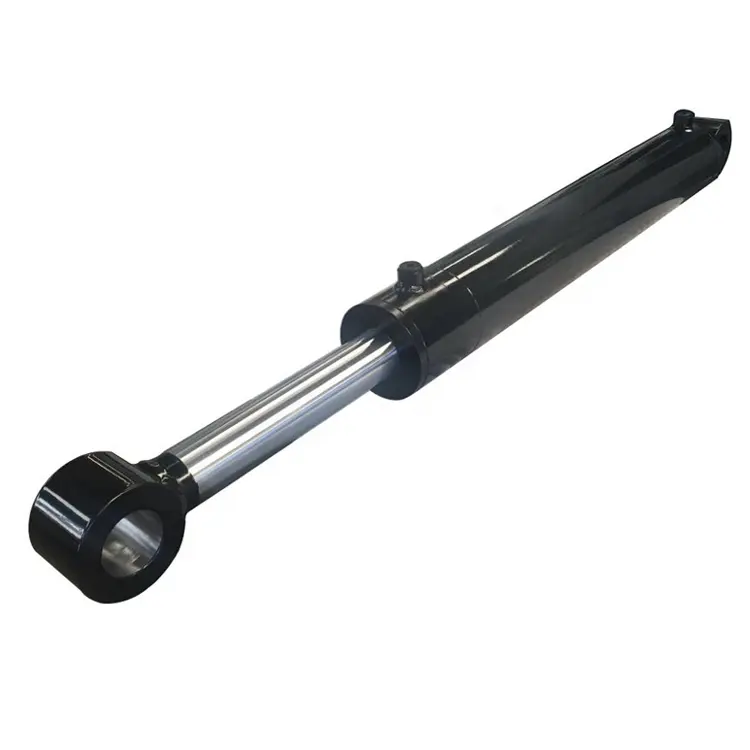
How does a lift cylinder contribute to energy-efficient lifting?
A lift cylinder plays a significant role in promoting energy-efficient lifting operations. Here’s an explanation of how lift cylinders contribute to energy efficiency:
1. Hydraulic System Efficiency:
Lift cylinders are commonly used in hydraulic systems, which are known for their high efficiency. Hydraulic systems utilize pressurized fluid to transmit power, allowing for smooth and controlled lifting operations. The hydraulic fluid is circulated within the system, and the lift cylinder converts the pressure of the fluid into mechanical force to lift the load. Compared to other mechanical lifting mechanisms, hydraulic systems, including lift cylinders, experience minimal energy loss due to their efficient power transmission.
2. Power-to-Weight Ratio:
Lift cylinders are designed to have a high power-to-weight ratio. This means that they can generate a substantial lifting force relative to their weight. By utilizing lightweight yet durable materials and optimizing the design, lift cylinders can effectively lift heavy loads while minimizing the amount of energy required. The efficient power-to-weight ratio contributes to energy efficiency by reducing the overall power consumption during lifting operations.
3. Load-Specific Design:
Lift cylinders are often engineered to match the specific load requirements of lifting applications. By customizing the design parameters, such as bore size, stroke length, and operating pressure, lift cylinders can be optimized for the intended load capacities and lifting tasks. This load-specific design ensures that the lift cylinder operates at its optimal efficiency, minimizing energy waste and maximizing the lifting performance.
4. Regenerative Systems:
In certain lifting applications, lift cylinders can be integrated into regenerative systems. Regenerative systems capture and store energy that would otherwise be dissipated as heat during the lowering phase of the lifting operation. This stored energy can then be reused to assist in the subsequent lifting process, reducing the overall energy consumption. Regenerative systems enhance energy efficiency by utilizing the otherwise wasted energy to partially power the lifting operation.
5. Control Systems:
Advanced control systems can be implemented in conjunction with lift cylinders to optimize energy efficiency. These control systems, such as proportional valves or variable-speed drives, allow for precise control of the lifting process. By adjusting the flow rate or speed of the hydraulic fluid, operators can match the power output of the lift cylinder to the specific load requirements, minimizing energy waste and improving overall efficiency.
6. Maintenance and Optimization:
Regular maintenance and optimization of lift cylinders are essential for maintaining energy efficiency. Proper lubrication, seal replacements, and overall system inspections help ensure that the lift cylinder operates at its peak performance. By identifying and addressing any issues or inefficiencies, maintenance practices contribute to energy-efficient lifting operations.
In summary, lift cylinders contribute to energy-efficient lifting through hydraulic system efficiency, a high power-to-weight ratio, load-specific design, regenerative systems, control systems, and proper maintenance. By utilizing these features and practices, lift cylinders help minimize energy consumption and enhance overall lifting efficiency.
How Does a Lift Cylinder Handle Variations in Cylinder Mounting and Configuration?
A lift cylinder is designed to handle variations in cylinder mounting and configuration, allowing for flexibility in different application scenarios. The construction and features of lift cylinders enable them to adapt to different mounting orientations and accommodate variations in configuration. Here’s a detailed explanation of how a lift cylinder handles variations in cylinder mounting and configuration:
- Mounting Flexibility:
- Adjustable Stroke Length:
- Modular Design:
- Flexible Mounting Accessories:
- Customization Options:
- Compliance with Industry Standards:
Lift cylinders are engineered to provide mounting flexibility, allowing them to be installed in various orientations and positions. They can be mounted vertically, horizontally, or at inclined angles, depending on the specific requirements of the application. Lift cylinders often feature versatile end caps, mounting brackets, or clevis mounts that can be adjusted or rotated to accommodate different mounting orientations. This flexibility enables lift cylinders to fit into different equipment designs and configurations.
Stroke length refers to the distance the piston rod of a lift cylinder extends or retracts during operation. Lift cylinders are designed with adjustable stroke length capabilities, which allow for customization according to specific mounting and configuration requirements. By adjusting the stroke length, the lift cylinder can accommodate variations in the available space or the desired range of motion. This adjustability ensures that the cylinder can be properly installed and operate effectively within the given constraints.
Many lift cylinders feature a modular design, allowing for easy customization and adaptation to different mounting and configuration needs. Modular lift cylinders consist of separate components that can be assembled or disassembled, providing flexibility in terms of length, rod diameter, mounting options, and other specifications. These modular components can be combined or replaced to match specific equipment requirements. The modular design enables lift cylinders to handle variations in mounting and configuration, making them versatile and adaptable for different applications.
Lift cylinders are often accompanied by a range of mounting accessories and attachments that enhance their adaptability. These accessories include clevis brackets, trunnion mounts, spherical bearings, pivot pins, and other connection components. These mounting accessories offer multiple options for securely attaching the lift cylinder to the equipment or machinery. They provide flexibility in terms of positioning, alignment, and angle adjustment, enabling the lift cylinder to accommodate variations in cylinder mounting and configuration.
Lift cylinder manufacturers often offer customization options to meet specific mounting and configuration requirements. This customization may involve modifications to the cylinder’s dimensions, mounting interfaces, rod ends, or other design aspects. By working closely with the manufacturer, equipment designers and engineers can ensure that the lift cylinder is tailored to fit the unique mounting and configuration needs of their application. Customization options allow for precise integration of the lift cylinder, ensuring optimal performance and compatibility.
Lift cylinders adhere to industry standards and guidelines, ensuring compatibility with commonly used mounting and configuration practices. These standards establish criteria for cylinder dimensions, mounting hole patterns, rod end dimensions, and other specifications. By complying with these standards, lift cylinders ensure that they can be easily integrated into various equipment designs and configurations without requiring significant modifications or adaptations.
The combination of mounting flexibility, adjustable stroke length, modular design, flexible mounting accessories, customization options, and compliance with industry standards enables lift cylinders to handle variations in cylinder mounting and configuration. This adaptability allows lift cylinders to be effectively utilized in a wide range of applications, accommodating different equipment designs and requirements.
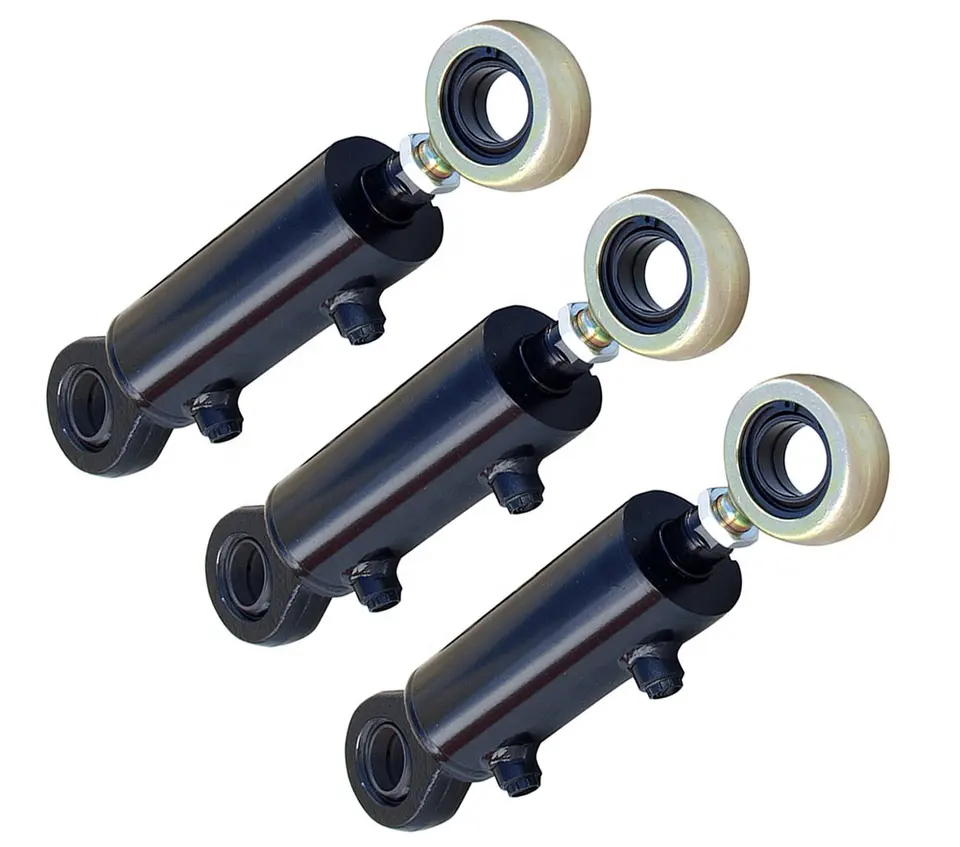
What is the importance of regular maintenance for lift cylinders?
Regular maintenance for lift cylinders is of utmost importance to ensure their optimal performance, longevity, and safe operation. Here’s an explanation of the importance of regular maintenance for lift cylinders:
1. Safety:
Regular maintenance helps identify and address potential safety issues with lift cylinders. Over time, wear and tear, leaks, or component failures can compromise the integrity and stability of the cylinder. Through regular inspections and maintenance, any safety concerns can be detected early and resolved, reducing the risk of accidents or equipment failures.
2. Performance:
Maintaining lift cylinders at regular intervals helps ensure their consistent performance. By inspecting and servicing the cylinder components, such as seals, rods, and pistons, any issues affecting the cylinder’s efficiency and functionality can be addressed. Properly maintained cylinders are more reliable, provide smoother operation, and deliver the required lifting power consistently.
3. Preventive Measures:
Regular maintenance allows for preventive measures to be taken to avoid major breakdowns or costly repairs. By following a maintenance schedule, potential problems can be identified early and resolved before they escalate. This includes tasks such as lubrication, seal replacement, cleaning, and adjusting hydraulic fluid levels, which can help extend the lifespan of the cylinder and minimize downtime.
4. Cost Savings:
Regular maintenance can lead to significant cost savings in the long run. By addressing minor issues promptly, it helps prevent major failures that require expensive repairs or cylinder replacements. Well-maintained cylinders also tend to have a longer service life, reducing the need for frequent replacements and associated costs.
5. Compliance with Manufacturer’s Recommendations:
Manufacturers often provide specific maintenance guidelines for lift cylinders. Adhering to these recommendations ensures that the cylinders are maintained according to the intended specifications. Regular maintenance helps uphold warranty requirements, maintain compliance with industry standards, and maximize the cylinder’s performance according to the manufacturer’s specifications.
6. System Efficiency:
Lift cylinders are often part of larger hydraulic systems. Regular maintenance of the cylinders helps maintain the overall efficiency of the system. Any issues or inefficiencies in the cylinders can affect the performance of the entire hydraulic system, leading to decreased productivity, increased energy consumption, and potential damage to other system components.
In summary, regular maintenance for lift cylinders is crucial for safety, performance, preventive measures, cost savings, compliance with manufacturer’s recommendations, and system efficiency. By investing in regular inspections, servicing, and adherence to maintenance schedules, lift cylinders can operate reliably, efficiently, and safely throughout their lifespan.


editor by CX 2024-01-30