
Product Description
S85DC-66-190 (Commercial / Parker) Replacement Sat Dump Hoist Hydraulic Cylinder
Product Features
Model
Maxim 7 Ton Bailey type 3 stages single acting telescopic cylinder
Part No.: 210700
Features
• Multiple stages enable longer strokes to be achieved using less space
• Trunnion mount with angular swivels to allow a small amount of misalignment
• Micro-honed inside and chrome plated outside to decrease corrosion & increase wear resistance and durability
• Handles continuous loads of 2500 PSI
• Angular swivels allow for a small amount of misalignment while still functioning fully
Specification
| Working pressure | 2500PSI |
| Body OD | 3.74 in |
| Stroke | 78 in |
| Rod diameter | 2 in |
| Retracted | 35.5 in |
| Extended | 113.5 in |
| Port size | 1/2″ NPT |
| Pin diameter | 1 in |
| Weight | 75 Ib |
| Stages | 3 |
| Plunger Dia | 3″, 2 3/8″, 1 3/4″ |
Detailed Photos
| Bailey Type Cylinder | Maxim 7-Ton Series 3″, 2 3/8″, 1 3/4″ Plunger Dia | 210700 |
| 21 0571 | ||
| 210702 | ||
| Maxin 12 Ton Series 3 5/8″, 3″, 2 3/8″ Plunger Dia | 210703 | |
| 210704 | ||
| 210705 | ||
| 210706 |
Production Process
Warehouse Overview
Product Applications
Hydraulic cylinders are the most effective and efficient method of pushing, pulling, lifting, and lowering.
Nowadays hydraulic cylinders play an essential role in daily application and industry:
√ Mining
√ Earthmoving & Construction
√ Agriculture &Forestry
√Waste Management & Material Handing
√Ship crane & offshore
Selecting the right cylinders for an application is critical in obtaining maximum performance and reliability.
CHINAMFG team considers all your concerns to suit your hydraulic cylinder requirements.
Together, we work out the best design solution for your application.
Company Profile
HangZhou CHINAMFG is a comprehensive manufacturing enterprise engaged in hydraulic cylinders, excavator attachment, metal casting, hydraulic components with certification approval to meet custom or OEM requirements.
ROCA owned factory offers customers effective-cost products with quality assurance. With its professional and experienced R&D team, CHINAMFG Hydraulic devotes itself to research and development to optimize products applied in construction, mining, waste management, forestry, agriculture, etc.
FAQ
Q1.Do you have MOQ?
Depending on different ideas, Can be negotiated. The larger the quantity is, the competitive the unit price will be.
Q2.Should the customer pay the delivery fee, How much is it?
For the delivery fee, many samples are being requested to be sent, so we must get the delivery fee.
If you tell me to use the appointed Express, you will give me your express account or you will pay according to the Express.
If you do not request, I will choose a cheap one in China.
Q3.How about the after sale service?
1) We will always keep the quality the same as the buyer’s samples and if there is something with the quality, we will make compensation for our customers.
2) We will suggest our packing and take charge in our packing, we will keep the goods safe in the delivery.
3) We will trace the goods from the production to selling, we will solve the problems in the selling for our customers.
Q4.When can I get a price?
We usually quote within 24 hours after we get your inquiry.
Q5: Are you a trade company or manufacturer?
We are a professional manufacturer with our factory.
/* January 22, 2571 19:08:37 */!function(){function s(e,r){var a,o={};try{e&&e.split(“,”).forEach(function(e,t){e&&(a=e.match(/(.*?):(.*)$/))&&1
| Certification: | RoHS, CE, ISO9001 |
|---|---|
| Pressure: | High Pressure |
| Work Temperature: | High Temperature |
| Customization: |
Available
|
|
|---|
.shipping-cost-tm .tm-status-off{background: none;padding:0;color: #1470cc}
|
Shipping Cost:
Estimated freight per unit. |
about shipping cost and estimated delivery time. |
|---|
| Payment Method: |
|
|---|---|
|
Initial Payment Full Payment |
| Currency: | US$ |
|---|
| Return&refunds: | You can apply for a refund up to 30 days after receipt of the products. |
|---|
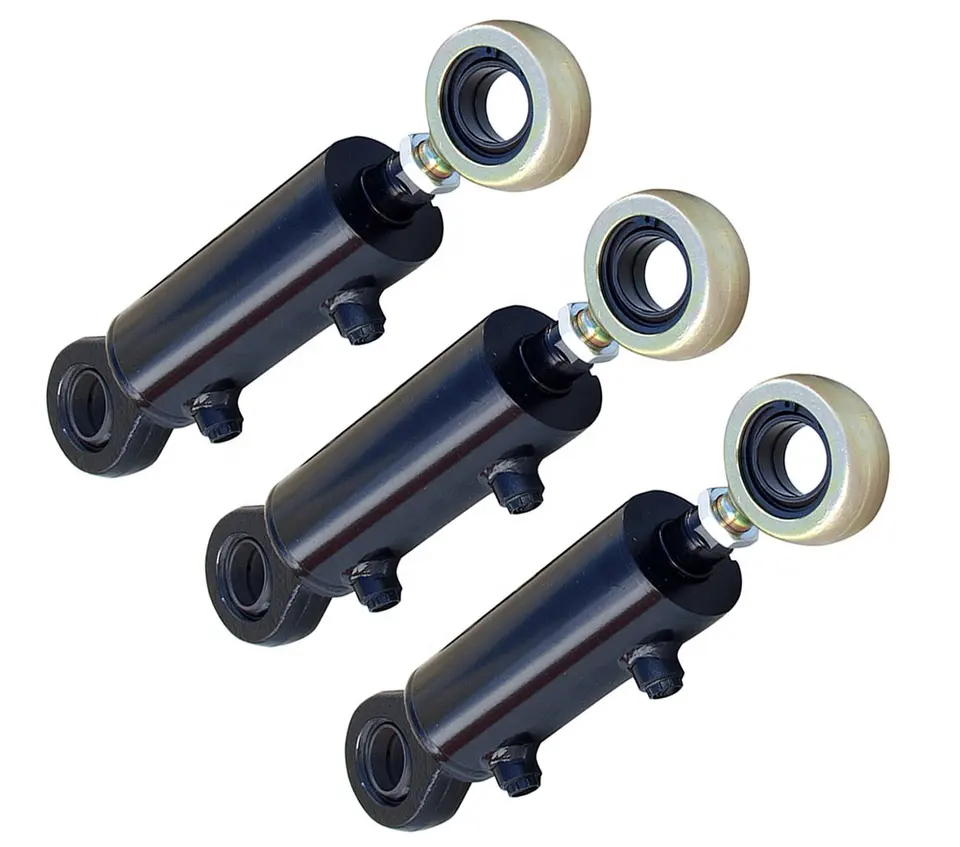
Can lift cylinders be used in aerial work platforms and scissor lifts?
Yes, lift cylinders are commonly used in aerial work platforms and scissor lifts. Here’s an explanation of their utilization in these types of equipment:
Aerial work platforms, also known as aerial lifts or elevated work platforms, are used to provide elevated access for various tasks, such as maintenance, construction, or inspection work. Scissor lifts are a specific type of aerial work platform that utilize a scissor mechanism to vertically extend the platform. Lift cylinders play a crucial role in the lifting operation of both aerial work platforms and scissor lifts.
In scissor lifts, multiple lift cylinders are typically positioned vertically and connected to the scissor mechanism. These lift cylinders work in synchronization to extend or retract the scissor arms, thereby raising or lowering the platform. The lift cylinders exert force to expand the scissor arms, creating a lifting motion that allows the platform to reach elevated positions. By controlling the flow of hydraulic fluid to the lift cylinders, operators can easily adjust the platform height and achieve the desired working elevation.
Lift cylinders used in aerial work platforms and scissor lifts are usually hydraulic cylinders. Hydraulic systems offer the advantages of smooth operation, precise control, and high lifting capacities. The hydraulic system includes a pump, control valves, hydraulic lines, and the lift cylinders. When the hydraulic system is activated, the pump pressurizes the hydraulic fluid, which is then directed to the lift cylinders through the control valves. The pressurized fluid causes the lift cylinders to extend, resulting in the upward movement of the platform.
One of the key benefits of using lift cylinders in aerial work platforms and scissor lifts is their ability to provide stable and controlled lifting. The synchronized movement of the lift cylinders ensures that the platform remains level and secure during the lifting process. This stability is essential for safe working conditions at elevated heights.
In addition to lifting capabilities, lift cylinders in aerial work platforms and scissor lifts may incorporate features such as safety locks, overload protection, or emergency descent mechanisms. These safety measures enhance the overall performance and reliability of the equipment, ensuring the well-being of operators working at height.
Overall, lift cylinders are integral components in aerial work platforms and scissor lifts, enabling the vertical lifting motion and providing stability during elevated work. Their hydraulic operation, synchronized movement, and safety features make them essential for efficient and secure access at height.
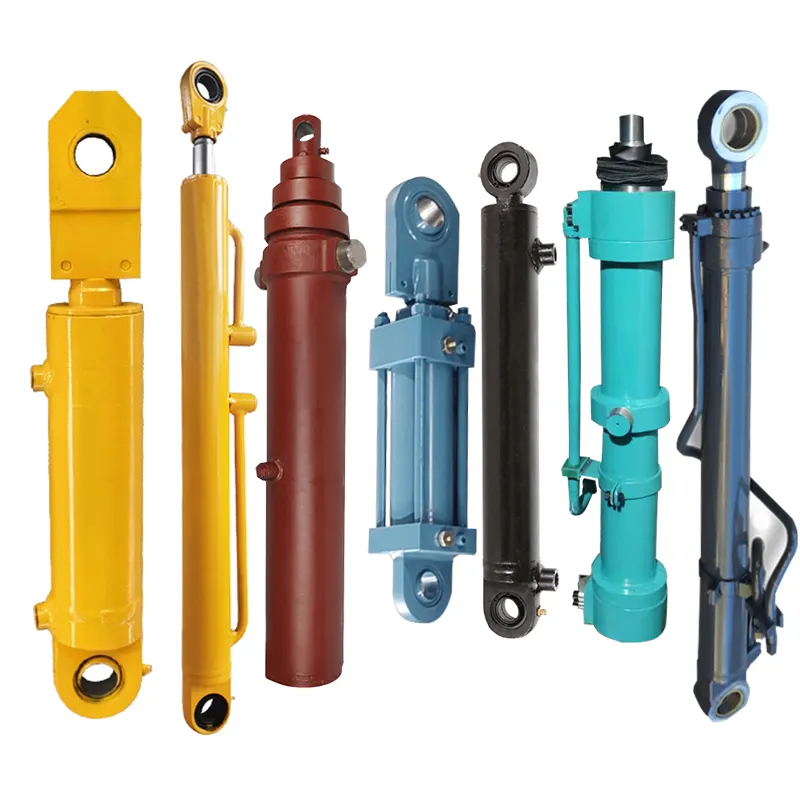
How Does a Lift Cylinder Contribute to Load Leveling and Distribution?
A lift cylinder plays a significant role in load leveling and distribution, ensuring stability and balanced weight distribution in various applications. Here’s a detailed explanation of how a lift cylinder contributes to load leveling and distribution:
- Vertical Force Generation:
- Multi-Cylinder Systems:
- Self-Leveling Mechanisms:
- Force Sensing and Control:
- Structural Support and Stability:
- Customization for Specific Applications:
When a lift cylinder is activated, it generates a vertical force that lifts or supports a load. The force exerted by the cylinder is directly proportional to its hydraulic or pneumatic pressure and the effective area of the piston. By adjusting the pressure or controlling the flow of fluid or gas into the cylinder, the force can be precisely regulated to achieve load leveling and distribution.
In applications where load leveling and distribution are critical, multiple lift cylinders may be used in a system. These cylinders work in synchronization to evenly distribute the load and maintain balance. By connecting the cylinders in parallel or series, the hydraulic or pneumatic pressure can be distributed across all cylinders, ensuring that each cylinder contributes proportionately to the load leveling and distribution process.
Some lift cylinder systems incorporate self-leveling mechanisms to automatically adjust the position and angle of the load. These mechanisms utilize sensors or feedback systems that monitor the load distribution and make real-time adjustments to the lift cylinders. If an imbalance or uneven weight distribution is detected, the self-leveling mechanisms activate the appropriate lift cylinders to counteract the imbalance and restore equilibrium. This contributes to load leveling and distribution, preventing excessive stress on specific areas or components.
Advanced lift cylinder systems may employ force sensing and control technologies to achieve precise load leveling and distribution. Force sensors are integrated into the lifting mechanism, allowing real-time monitoring of the forces exerted by the cylinders. This information is then used to adjust the hydraulic or pneumatic pressure, ensuring that each cylinder contributes optimally to the load distribution. By continuously monitoring and controlling the forces, the lift cylinder system can adapt to changing load conditions and maintain stable load leveling and distribution.
Lift cylinders provide structural support and stability to the load-bearing components in various applications. By evenly distributing the load, the cylinders help prevent excessive stress or strain on specific components. They ensure that the weight is evenly spread across the supporting structure, reducing the risk of structural damage or failure. Lift cylinders also contribute to the overall stability of the system, minimizing unwanted movements or vibrations caused by imbalanced loads.
Lift cylinders can be customized and tailored to specific applications to optimize load leveling and distribution. Factors such as cylinder size, stroke length, bore diameter, and material strength can be selected based on the load characteristics and weight distribution requirements of the particular application. By considering the specific needs of the application, lift cylinders can be designed and implemented to achieve the desired load leveling and distribution performance.
Overall, a lift cylinder is a crucial component in achieving load leveling and distribution in various applications. Whether through vertical force generation, multi-cylinder systems, self-leveling mechanisms, force sensing and control, structural support, or customization, lift cylinders contribute to maintaining stability, balance, and even weight distribution, ensuring optimal performance and safety in diverse industrial and mechanical systems.
What is the importance of regular maintenance for lift cylinders?
Regular maintenance for lift cylinders is of utmost importance to ensure their optimal performance, longevity, and safe operation. Here’s an explanation of the importance of regular maintenance for lift cylinders:
1. Safety:
Regular maintenance helps identify and address potential safety issues with lift cylinders. Over time, wear and tear, leaks, or component failures can compromise the integrity and stability of the cylinder. Through regular inspections and maintenance, any safety concerns can be detected early and resolved, reducing the risk of accidents or equipment failures.
2. Performance:
Maintaining lift cylinders at regular intervals helps ensure their consistent performance. By inspecting and servicing the cylinder components, such as seals, rods, and pistons, any issues affecting the cylinder’s efficiency and functionality can be addressed. Properly maintained cylinders are more reliable, provide smoother operation, and deliver the required lifting power consistently.
3. Preventive Measures:
Regular maintenance allows for preventive measures to be taken to avoid major breakdowns or costly repairs. By following a maintenance schedule, potential problems can be identified early and resolved before they escalate. This includes tasks such as lubrication, seal replacement, cleaning, and adjusting hydraulic fluid levels, which can help extend the lifespan of the cylinder and minimize downtime.
4. Cost Savings:
Regular maintenance can lead to significant cost savings in the long run. By addressing minor issues promptly, it helps prevent major failures that require expensive repairs or cylinder replacements. Well-maintained cylinders also tend to have a longer service life, reducing the need for frequent replacements and associated costs.
5. Compliance with Manufacturer’s Recommendations:
Manufacturers often provide specific maintenance guidelines for lift cylinders. Adhering to these recommendations ensures that the cylinders are maintained according to the intended specifications. Regular maintenance helps uphold warranty requirements, maintain compliance with industry standards, and maximize the cylinder’s performance according to the manufacturer’s specifications.
6. System Efficiency:
Lift cylinders are often part of larger hydraulic systems. Regular maintenance of the cylinders helps maintain the overall efficiency of the system. Any issues or inefficiencies in the cylinders can affect the performance of the entire hydraulic system, leading to decreased productivity, increased energy consumption, and potential damage to other system components.
In summary, regular maintenance for lift cylinders is crucial for safety, performance, preventive measures, cost savings, compliance with manufacturer’s recommendations, and system efficiency. By investing in regular inspections, servicing, and adherence to maintenance schedules, lift cylinders can operate reliably, efficiently, and safely throughout their lifespan.


editor by CX 2024-03-23