
Product Description
hydraulic cylinder
Dozer cylinder:
Blade lift cylinder, blade tile cylinder, ripper lift cylinder, ripper tilt cylinder, recoild cylinder
Excavator cylinder:
Boom cylinder, arm cylinder, bucket cylinder, adjuster cylinder
fit machine
KO MA TSU SHXIHU (WEST LAKE) DIS.I SHEHWA PENGPU, CAT HYUNDAI HITACHI Volvo liugong lishide CHINAMFG hyundai
0A7700 0A7700 0T64002 0T64002
0B3900 0B3900 0T64000 0T64000
0F3300 0F3300 1T23000 1T23000
1V10075 1V10075 1T23005 1T23005
1V14011 1V14011 1T24000 1T24000
1W21008 1W21008 TY160.6301 TY160.6301
1V30000 1V30000 TY160.6302 TY160.6302
1V40000 1V40000 TY160.6303 TY160.6303
1V43000 1V43000 TY160.6304 TY160.6304
0T32251 0T32251 TY220.6101-6 TY220.6101-6
0T41000 0T41000 TY220.6301-6 TY220.6301-6
0T41014 0T41014 T220.6303 T220.6303
0T41015 0T41015 T220.6304 T220.6304
0A7700 1W21008 0T41000
0B3900 1V30000 0T41014
0F3300 1V40000 0T41015
1V10075 1V43000 0T64002
1V14011 0T32251 0T64000
1T24000 1T23005 1T23000
PD165
T24.54.17 T21.61.4.2 C67A-1
T24.71.3.7 T21.C67A C67B-1
T24.71.3.7 T21.C67B C67C-1
T24.C675.1 175-30-24222 C67D-1
T24.C676.1 175-61-C1110 78-47a
144-63-52200 175-63-13103 78-48a
T24.78.1.6 175-63-13203 78-62a
78-63a
175-63-42700
175-63-42800
175-63-43700
175-63-43800
175-63-52700
| 004906059A5710000 |
| 004957130A2000000 |
| 004906063A5710000 |
| 004906063A0400000 |
| 175-63B-13300 |
| 175-63B-13400 |
| 004957163A0600000 |
| 171-63-57100 |
| 0A7700 | 0A7700 | 0T64002 | 0T64002 |
| 0B3900 | 0B3900 | 0T64000 | 0T64000 |
| 0F3300 | 0F3300 | 1T23000 | 1T23000 |
| 1V10075 | 1V10075 | 1T23005 | 1T23005 |
| 1V14011 | 1V14011 | 1T24000 | 1T24000 |
| 1W21008 | 1W21008 | TY160.6301 | TY160.6301 |
| 1V30000 | 1V30000 | TY160.6302 | TY160.6302 |
| 1V40000 | 1V40000 | TY160.6303 | TY160.6303 |
| 1V43000 | 1V43000 | TY160.6304 | TY160.6304 |
| 0T32251 | 0T32251 | TY220.6101-6 | TY220.6101-6 |
| 0T41000 | 0T41000 | TY220.6301-6 | TY220.6301-6 |
| 0T41014 | 0T41014 | T220.6303 | T220.6303 |
| 0T41015 | 0T41015 | T220.6304 | T220.6304 |
| 0A7700 | 1W21008 | 0T41000 | |
| 0B3900 | 1V30000 | 0T41014 | |
| 0F3300 | 1V40000 | 0T41015 | |
| 1V10075 | 1V43000 | 0T64002 | |
| 1V14011 | 0T32251 | 0T64000 | |
| 1T24000 | 1T23005 | 1T23000 | |
| PD165 | |||
| T24.54.17 | T21.61.4.2 | C67A-1 | |
| T24.71.3.7 | T21.C67A | C67B-1 | |
| T24.71.3.7 | T21.C67B | C67C-1 | |
| T24.C675.1 | 175-30-24222 | C67D-1 | |
| T24.C676.1 | 175-61-C1110 | 78-47a | |
| 144-63-52200 | 175-63-13103 | 78-48a | |
| T24.78.1.6 | 175-63-13203 | 78-62a | |
| 78-63a |
| 175-63-42700 | 1146-57180 | 31N4-50110 | 2440-9230 |
| 175-63-42800 | 14557151 | 31N4-50120 | 2440-9309 |
| 175-63-43700 | 1146- 0571 1 | 31N4-50130 | 440-05710 |
| 175-63-43800 | 14557154 | 31N4-50131 | 2440-9231 |
| 175-63-52700 | 14557150 | 31N4-50132 | 2440-9310 |
| 175-63-13400 | 14557155 | 31N4-50133 | 440-05712 |
| 175-63-13300 | 1146-57190 | 31N4-60110 | 2440-9242 |
| 155-15-0571 | 14557152 | 31N4-50110 | 2440-9232 |
| 23Y-89-10400 | 1146-57100 | 31N4-50120 | 2440-9233 |
| 23Y-89-10300 | 14557153 | 31N4-50132 | 2440-9230 |
| 23Y-89-15710 | 14518003 | 31N4-50133 | 2440-9231 |
| 23Y-89-15710 | 14564001 | 31N4-60110 | 2440-9249 |
| 23Y-64B-57100 | 14517998 | 31Q4-50110 | 2440-9232 |
| 23Y-64B-57100 | 14564007 | 31Q4-50120 | 2440-9242 |
| 154-63-X2070 | 14518289 | 31Q4-50130 | 2440-9233 |
| 154-63-X2571 | 14564571 | 31Q4-60111 | 440-05711 |
| 154-63-X2571 | 14517999 | 31N6-50121 | 440-05712 |
| 16Y-84-62000 | 14564016 | 31N6-50125 | 440-05714 |
| 16Y-63-13000 | 14518290 | 31N6-50111 | 2440-9233 |
| 16Y-62-50000 | 14523674 | 31N6-50115 | 440-00408 |
| 16L-62C-10000 | 14564571 | 31N6-50130 | 440-00409 |
| 16Y-63-13000 | 14518000 | 31N6-50135 | 440-0571 |
| 16L-62C-20000 | 14523675 | 31N6-50137 | 440-00425 |
| 14564030 | 31N6-50138 | 440-571 | |
| 23Y-62B-57100 | 14547543 | 31N6-60110 | K1026249 |
| 23Y-62B-57100 | 14547545 | 31N6-60115 | K1026250 |
| 23Y-63B-01100 | 14547546 | 31N6-50125 | K1571800 |
| 23Y-89B-01500 | 14538693 | 31N6-50115 | K1571712 |
| 23Y-89B-01600 | 14617784 | 31N6-50137 | 440-571 |
| 23Y-89B-01300 | 14538695 | 31N6-50138 | 2440-9344 |
| 23Y-89B-01400 | 14375081 | 31N6-60115 | 2440-9345 |
| 16Y-62-50000 | 14376231 | 31Q6-50110 | 440-0571 |
| 16Y-62-60000 | 14522770 | 31Q6-50120 | 440-00571 |
| 16Y-63-13000 | 14375085 | 31Q6-50131 | 2440-9344 |
| 14547230 | 31Q6-60110 | 2440-9345 | |
| 707-01-XY800 | 14547232 | 31N7-50110 | 440-0571 |
| 707-01-XY810 | 14547233 | 31N7-50120 | 440-00571 |
| 14563968 | 31N7-50131 | K1014798 | |
| 707-01-XY820 | 14563974 | 31N7-50132 | K1014799 |
| 707-01-XZ901 | 14512429 | 31N7-60110 | K1014805 |
| 707-01-XY442 | 14522908 | 31N7-50110 | K1014824 |
| 707-01-XY452 | 14534547 | 31N7-50120 | 2440-9234 |
| 707-01-0H091 | 14563977 | 31N7-50132 | 2440-9235 |
| 707-01-0A430 | 14512423 | 31N7-60110 | 2440-9236 |
| 707-01-0A450 | 14563986 | 31Q7-50110 | 2440-9237 |
| 707-01-0A460 | 14514851 | 31Q7-50120 | 440-00059 |
| 707-01-XZ993 | 14523664 | 31Q7-50130 | 2440-9234 |
| 707-01-XU760/770 | 14563993 | 31Q7-60110 | 2440-9235 |
| 707-01-XU780 | 14534531 | 31N8-50121 | 2440-9236 |
| 707-01-XU790 | 14554977 | 31N8-50111 | 2440-9237 |
| 208-63-57130 | 14534532 | 31N8-50130 | 440-00059 |
| 208-63-57120 | 14554978 | 31N8-60110 | K1008084 |
| 707-01-0H081 | 14534533 | 31N8-60111 | K1008085 |
| 707-01-0H061 | 14554979 | 31N8-50121 | K1008086 |
| 707-01-0H091 | 14615571 | 31N8-50125 | K1008094 |
| 207-63-57130 | 14534532 | 31N8-50111 | K100 0571 |
| 707-01-0F702 | 14534533 | 31N8-50115 | K10571 |
| 707-01-ZX880 | 14563995 | 31N8-50130 | K10 0571 7 |
| 707-01-ZX890 | 14547225 | 31N8-50135 | K1000884 |
| 4415714 | 1459571 | 31N8-50136 | 440-00042 |
| 4385638 | 14534532 | 31N8-50137 | 440-00043 |
| 4385637 | 14534533 | 31N8-50138 | 440-00044 |
| 9169806 | 14563900 | 31N8-60110 | 440-00045 |
| 9186600 | 14563941 | 31N8-60115 | K1011571 |
| 9186602 | 14514829 | 31N8-50125 | K1011571 |
| 9186603 | 14563947 | 31N8-50115 | K1011571 |
| 9255452 | 1455571 | 31N8-50138 | K1011044 |
| 4315711 | 1455717 | 31N8-50139 | 2440-9238 |
| 4315713 | 14541237 | 31N8-60115 | 2440-9239 |
| 4390571 | 14563959 | 31Q8-50110 | 2440-9240 |
| 4628637 | 14514833 | 31Q8-50120 | 2440-9241 |
| 4628635 | 14541267 | 31Q8-50131 | 2440-9238 |
| 3154442 | 14563965 | 31Q8-60110 | 2440-9239 |
| 3154402 | 14551710 | 31Q8-60111 | 440-05717 |
| 3119517 | 14551715 | 31N9-50121 | 2440-9241 |
| 177-2465 | 14551711 | 31N9-50122 | 2440-9282 |
| 225-4523 | 14551712 | 31N9-50111 | 2440-9233 |
| 706-7K-57140 | 14551717 | 31N9-50112 | 440-00430 |
| 708-8F-00171 | 14572350 | 31N9-50130 | 440-571 |
| 706-88-00151 | 14572351 | 31N9-50131 | 440-0571 |
| 225-4523 | 14594986 | 31N9-60110 | 440-0571 |
| 225-4526 | 14572353 | 31N9-60111 | 440-571 |
| 225-4532 | 14594988 | 31N9-50121 | 440-0571 |
| 2440-9280G | 14572352 | 31N9-50122 | 2440-9280 |
| 2440-9278E | 14594987 | 31N9-50111 | 2440-9281 |
| 2440-9279E | 14530664 | 31N9-50112 | K10 0571 9 |
| 2440-9281E | 14540644 | 31N9-50130 | K10 0571 0 |
| 2440-9281H | 14514556 | 31N9-50131 | K1006192 |
| 175-71-31293 | 14539227 | 31N9-60110 | K1006202 |
| WB115110 | 14510443 | 31N9-60111 | 2440-9296 |
| 171-63-57100 | 14521658 | 31Q9-50110 | 2440-9295 |
| 171-62-57100 | 14522902 | 31Q9-50120 | 2440-9293 |
| 4248320 | 14535421 | 31Q9-50130 | 2440-9294 |
| 4248319 | 14514557 | 31Q9-60110 | K1003432 |
| 4248322 | 14521664 | 31NA-50122 | K1003433 |
| 171-64-57100 | 14522903 | 31NA-50123 | K1003434 |
| 16Y-80-30000 | 14536161 | 31NA-50112 | K1003483 |
| 16Y-80-40000 | 14563858 | 31NA-50113 | 440-5717 |
| 9234731 | 14563880 | 31NA-50132 | 440-5716 |
| 4185719 | 145157193 | 31NA-60111 | 440-00015 |
| 4185718 | 14533937 | 31NA-50123 | 440-00016 |
| 4223826 | 14563892 | 31NA-50124 | 440-5717 |
| 4223825 | 14514558 | 31NA-50113 | 440-5716 |
| 9164997 | 14541245 | 31NA-50114 | 440-00015 |
| 9164990 | 14563898 | 31NA-50132 | 440-00016 |
| 31N8-60111 | 1455571 | 31NA-50134 | K1001341 |
| 23Y-64B-57100 | 1455 0571 | 31NA-60111 | K1001340 |
| 23Y-89B-15710 | 1455571 | 31NA-60112 | K1001344 |
| 23Y-89B-15710 | 1455571 | 31QA-50110 | K1014381 |
| 23Y-89B-10300 | 1455571 | 31QA-50120 | K1001821 |
| 23Y-89B-10400 | 1455571 | 31QA-50130 | K1001341 |
| 23Y-64B-57100 | 1455 0571 | 31QA-60110 | K1001340 |
| 154-63-X2571 | 1455571 | 31NB-55712 | K1001344 |
| 154-63-X2571 | 14567071 | 31NB-55712 | K1014381 |
| 440-00015 | 14588514 | 31NB-55713 | K1001821 |
| 9101317 | 14567072 | 31NB-60133 | 400309-5714 |
| 9101318 | 14588519 | 31NB-55712 | 400309-5714 |
| 9186599 | 14567067 | 31NB-55713 | 400305-00071 |
| 175-63-42205 | 14588513 | 31NB-55712 | 40571-00072 |
| 175-63-42304 | 14567071 | 31NB-55713 | 14572518 |
| 175-63-13103 | 14588514 | 31NB-55713 | 14642746 |
| 175-63-13203 | 14567072 | 31NB-55714 | 14508475 |
| 175-63-13140 | 14588519 | 31NB-60133 | 14556580 |
| 175-63-42205 | 14503654 | 31NB-60134 | 1146-07290 |
| 175-63-42304 | 14563836 | 31QB-50110 | 14523672 |
| 175-63-42243 | 14535416 | 31QB-50120 | 14535510 |
| 175-63-42343 | 14563816 | 31QB-50130 | 14595214 |
| 14528492 | 14523667 | 31QB-60110 | 1146-5710 |
| 2440-9295B | 14572517 | 31QB-60111 | 14523673 |
| 2440-9296B | 14549596 | 33NB-55710 | 14572137 |
| 440-5712 | 14549597 | 33NB-55710 | 14548954 |
| 2440-9294C | 14572518 | 33NB-55710 | 14550096 |
| 9186598 | 14508896 | 33NB-60130 | 14550055 |
| 14549597 | 14563810 | 33NB-55710 | 14548954 |
| 14572520 | 14535416 | 33NB-55710 | 14639077 |
| 14549596 | 14563816 | 33NB-55710 | 14606236 |
| 14642744 | 14523667 | 33NB-60130 | 14639078 |
| 14549597 | 14572517 | 31QB-50110 | 1457571 |
| 14642745 | 14549596 | 31QB-50120 | 14641439 |
| 31QE-50111 | 14549597 | 31QB-50130 | 14511286 |
| 31QE-50131 | 14549598 | 31QB-63110 | 14564681 |
| 31QE-61110 | 14549596 | 31ND-5571 | 14546548 |
| 14564683 | 14564681 | 31ND-5571 | 14564682 |
| 31ND-6571 | 14544682 | 31ND-50030 | 14587748 |
/* January 22, 2571 19:08:37 */!function(){function s(e,r){var a,o={};try{e&&e.split(“,”).forEach(function(e,t){e&&(a=e.match(/(.*?):(.*)$/))&&1
| After-sales Service: | Oversea |
|---|---|
| Warranty: | 12month |
| Type: | Hydraulic Cylinder |
| Application: | Dozer Excavator |
| Certification: | ISO9001: 2000 |
| Condition: | New |
| Customization: |
Available
|
|
|---|
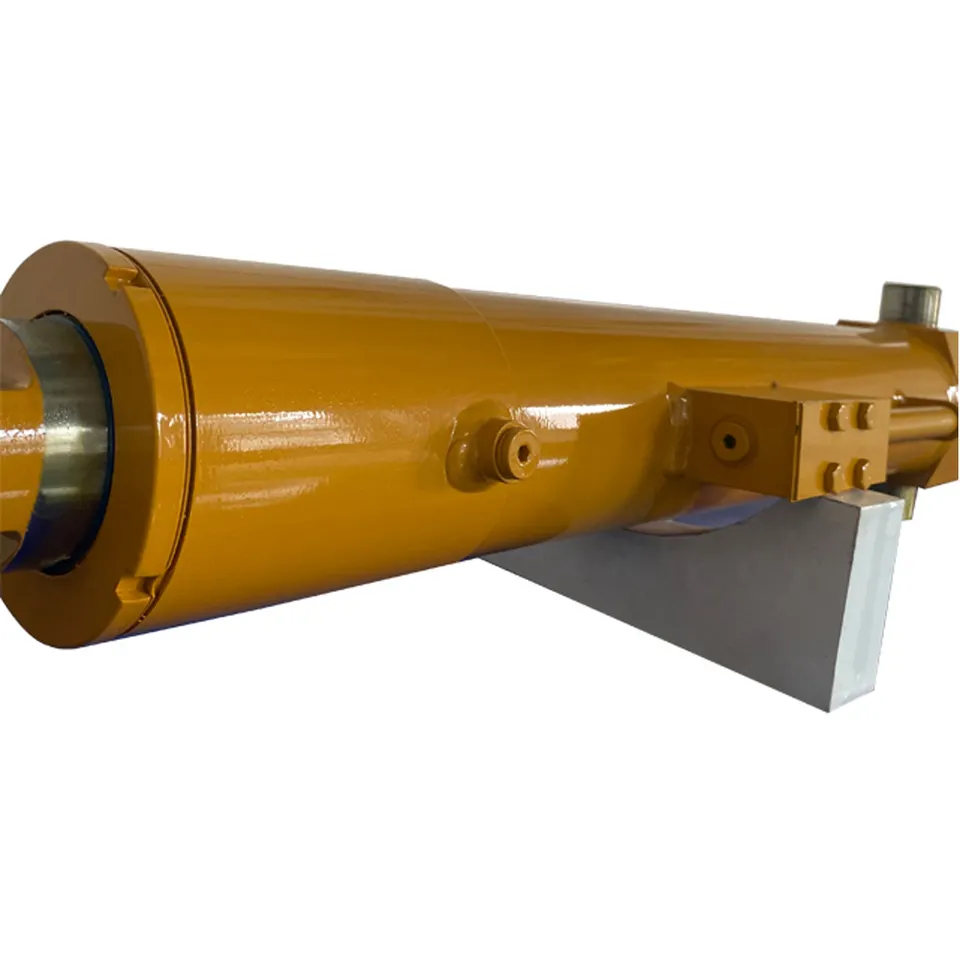
How does a lift cylinder contribute to efficient and reliable lifting?
A lift cylinder plays a crucial role in enabling efficient and reliable lifting operations. Here’s an explanation of how a lift cylinder contributes to efficient and reliable lifting:
1. High Lifting Capacity:
Lift cylinders are specifically designed to provide high lifting capacities. They can generate substantial force to lift heavy loads, making them well-suited for material handling tasks that involve large or bulky items. The high lifting capacity ensures that the cylinder can effectively handle the intended load, contributing to efficient lifting without the need for additional equipment or manual labor.
2. Precise Control:
Lift cylinders offer precise control over the lifting process. By regulating the flow and pressure of hydraulic fluid, operators can achieve accurate positioning and controlled movements. This level of control allows for efficient and precise placement of the load, reducing the risk of damage to the load or surrounding objects. The precise control also enables operators to optimize the lifting process, saving time and effort.
3. Smooth and Stable Operation:
Lift cylinders provide smooth and stable operation during lifting operations. The hydraulic system ensures that the lifting motion is steady and controlled, minimizing jerking or sudden movements. This smooth operation is important for the safe handling of delicate or fragile materials. It also enhances operator confidence and reduces the risk of accidents, contributing to reliable lifting performance.
4. Quick Response Time:
Lift cylinders offer quick response times, allowing for efficient and timely lifting operations. When activated, the hydraulic system quickly directs fluid into the cylinder, initiating the lifting motion. This rapid response time reduces downtime and enables operators to complete lifting tasks more efficiently.
5. Durability and Reliability:
Lift cylinders are built to withstand the demands of heavy-duty lifting operations. They are constructed with durable materials and designed to handle repetitive lifting tasks over extended periods. The robust construction and reliable performance of lift cylinders ensure that they can consistently deliver efficient lifting performance without frequent breakdowns or malfunctions.
6. Safety Features:
Lift cylinders often incorporate safety features to enhance reliability during lifting operations. These features can include load-holding valves, pressure relief valves, and fail-safe mechanisms. Load-holding valves prevent the load from dropping in the event of hydraulic pressure loss, ensuring the load remains securely lifted. Pressure relief valves protect the system from excessive pressure, preventing potential damage. Fail-safe mechanisms provide additional safety by engaging in the event of a system failure or power loss. The presence of these safety features contributes to reliable and safe lifting operations.
7. Integration with Control Systems:
Advanced lift cylinders can be integrated with control systems, such as electronic controls or programmable logic controllers (PLCs). This integration allows for automation and optimized control of the lifting process. By incorporating sensors, feedback mechanisms, and pre-programmed sequences, the lift cylinder can operate efficiently and reliably with minimal operator intervention.
In summary, a lift cylinder contributes to efficient and reliable lifting through its high lifting capacity, precise control, smooth and stable operation, quick response time, durability and reliability, incorporation of safety features, and integration with control systems. These features and capabilities ensure that the lifting process is efficient, accurate, and safe, thereby enhancing overall lifting performance.
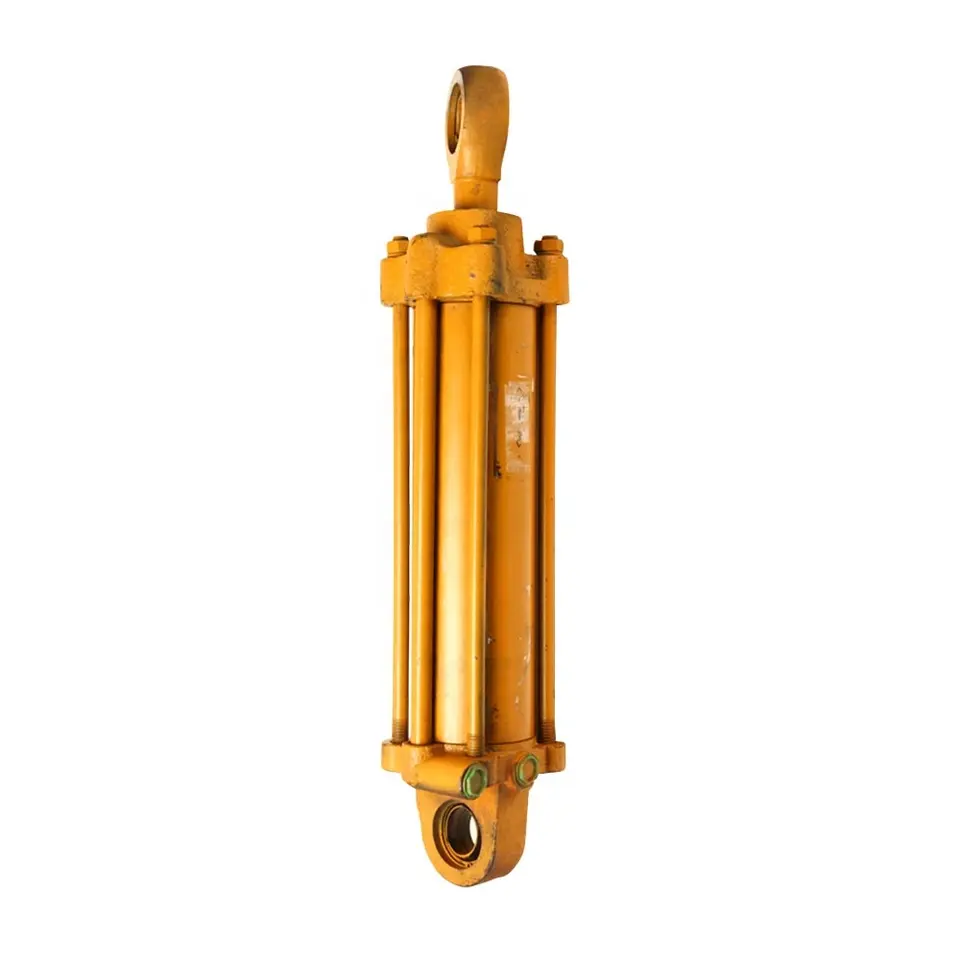
How Does a Lift Cylinder Contribute to Precise Load Handling and Positioning?
A lift cylinder plays a crucial role in achieving precise load handling and positioning in various applications. It is a hydraulic component commonly used in material handling equipment, including forklifts, cranes, and other lifting devices. The lift cylinder utilizes hydraulic power to control the vertical movement of loads, allowing for precise and controlled lifting, lowering, and positioning. Here’s a detailed explanation of how a lift cylinder contributes to precise load handling and positioning:
- Vertical Lifting:
- Load Stability:
- Positioning Control:
- Load Balancing:
- Controlled Speed and Acceleration:
- Force Feedback and Sensing:
The primary function of a lift cylinder is to provide the vertical lifting force required to raise and lower loads. When hydraulic pressure is applied to the cylinder, it extends or retracts the piston rod, depending on the design. This controlled extension or retraction enables the lift cylinder to raise or lower the load with precision. The hydraulic system allows operators to adjust the lifting speed and control the movement of the cylinder, ensuring smooth and accurate load handling.
One of the key factors in precise load handling is maintaining load stability throughout the lifting and positioning process. Lift cylinders are designed to provide a stable lifting platform by minimizing unwanted movements or vibrations. The hydraulic system, combined with the mechanical structure of the cylinder, offers excellent control over the load’s vertical movement, preventing sudden shifts or instability. This stability allows operators to handle delicate or fragile loads without compromising their integrity.
A lift cylinder offers precise positioning control, enabling operators to place the load accurately at the desired location. By regulating the hydraulic pressure, operators can control the speed and direction of the cylinder’s movement. This control allows for fine adjustments during the lifting or lowering process, ensuring that the load is positioned precisely according to the requirements. The hydraulic system offers responsiveness and sensitivity, allowing for real-time adjustments for optimal load placement.
Load balancing is essential for maintaining stability and preventing excessive stress on the lifting equipment. Lift cylinders are often used in combination with other hydraulic components, such as counterbalance valves or load sensing systems, to achieve load balancing. These systems monitor the load and adjust the hydraulic pressure within the lift cylinder to ensure that the load remains balanced during lifting and lowering operations. By maintaining load balance, the lift cylinder contributes to precise load handling and positioning, reducing the risk of accidents or damage.
Precise load handling requires controlled speed and acceleration during lifting and lowering operations. Lift cylinders, integrated with hydraulic control valves, allow for precise adjustment of the lifting speed and acceleration profile. Operators can control the flow rate of hydraulic fluid entering or exiting the cylinder, regulating the speed of the piston’s movement. This control over speed and acceleration enables smooth and gradual load handling, preventing sudden jolts or jerky movements that could affect load positioning accuracy.
Some advanced lift cylinder systems incorporate force feedback mechanisms or load sensing capabilities. These features provide operators with real-time information on the load’s weight or force exerted on the cylinder. By receiving feedback on the load conditions, operators can make precise adjustments to the lifting or lowering operation. This feedback mechanism enhances load handling precision, allowing operators to adapt to changing load characteristics and ensure accurate positioning.
A lift cylinder’s ability to provide vertical lifting force, maintain load stability, offer precise positioning control, assist in load balancing, enable controlled speed and acceleration, and incorporate force feedback or load sensing capabilities all contribute to precise load handling and positioning. These features make lift cylinders valuable components in material handling equipment, ensuring safe and efficient handling of loads in various industries and applications.
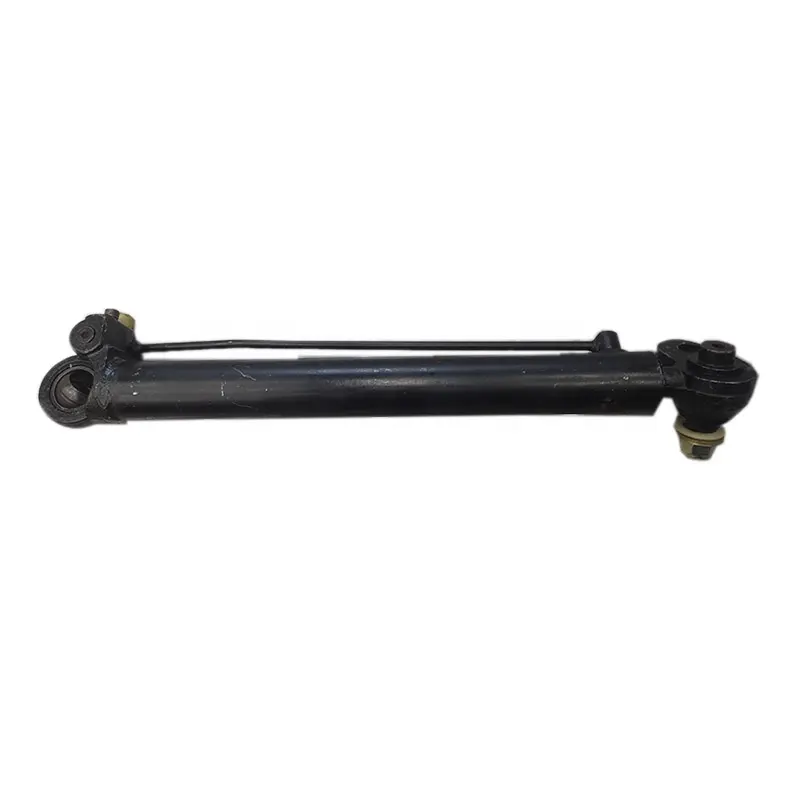
How does a lift cylinder handle variations in load weight and pressure?
A lift cylinder is designed to handle variations in load weight and pressure to ensure efficient and safe operation. Here’s an explanation of how a lift cylinder handles these variations:
1. Design Considerations:
Lift cylinders are designed with specific load capacities and pressure ratings in mind. The components, such as the cylinder barrel, piston, and seals, are selected and sized accordingly to handle the anticipated loads and pressures. The design factors in safety margins to accommodate variations in load weight and pressure within the specified operational limits.
2. Hydraulic System:
The hydraulic system that powers the lift cylinder plays a crucial role in handling variations in load weight and pressure. The system includes components such as pumps, valves, and control systems that regulate the flow and pressure of hydraulic fluid. By adjusting the system parameters, such as the pump output or valve settings, the hydraulic system can adapt to different load weights and pressure requirements.
3. Pressure Regulation:
Lift cylinders often incorporate pressure regulation mechanisms to handle variations in load weight and pressure. Pressure relief valves or pressure control valves are commonly used to maintain the desired pressure level within the cylinder. These valves ensure that the pressure does not exceed the specified limits, protecting the cylinder and other components from potential damage.
4. Balanced Design:
Lift cylinders are designed to achieve a balanced configuration that minimizes the impact of load weight variations. The placement of the piston and rod within the cylinder barrel is carefully engineered to distribute the load evenly and maintain stability. This balanced design helps to mitigate the effects of load weight changes on the cylinder’s performance and ensures smooth operation.
5. Control and Monitoring:
Advanced lift cylinder systems may incorporate control and monitoring features to handle variations in load weight and pressure more effectively. Sensors and feedback mechanisms can provide real-time data on load weight and cylinder performance, allowing the system to make adjustments as needed. This enhances the overall control and stability of the lift cylinder in response to changing conditions.
In summary, a lift cylinder handles variations in load weight and pressure through careful design considerations, hydraulic system adjustments, pressure regulation mechanisms, balanced configurations, and control and monitoring features. These aspects work together to ensure that the lift cylinder operates safely and efficiently, accommodating different load requirements while maintaining optimal performance.


editor by CX 2024-03-29