
Product Description
Product Title: Lift truck side shifter cylinder forklift sideshifter hydraulic cylinders
Product Model: AC20/30-02-00-HW Lift truck side shifter cylinder
| Item | Description |
| Product Name | Lift truck side shifter cylinder |
| P/N | YY-E40C8-20601 |
| Applied Model | H2000 # 5T (original) |
| Net Weight (kg) | 12 |
| Gross Weight (kg) | 14 |
| Qty per Carton | 1 |
| Carton Size (cm) | 105*12*16 |
Lift Truck Side Shifter Cylinder
Lift truck side shifter cylinder is a hydraulic cylinder installed on the forklift side shifter.
Characteristics Of Lift Truck Side Shifter Cylinder
1. Excellent vision of this lift truck side shifter cylinder. Lift truck side shifter cylinder and the hanger of the forklift are combined into an integral part, which takes up less space and greatly improves the field of vision of the side shifter.
2. Quick and easy installation of this lift truck side shifter cylinder. No welding or drilling is needed for installation. Mount the forklift side shifter directly on the forklift frame.
3. Uniform lateral movement speed of this lift truck side shifter cylinder. The double-headed piston rod cylinder is adopted to make the lateral shifting speed of the forklift side shifter more uniform.
4. This lift truck side shifter cylinder is a high-pressure oil cylinder, which can work normally under the pressure of 250Bar system without additional pressure reducing valve.
5. The sliding support of this lift truck side shifter cylinder of the forklift adopts cast copper upper sliding support, which is more wear-resistant under normal maintenance, has higher strength and toughness and longer life.
Specifications of Lift Truck Side Shifter Cylinder
| Name | Unit | Parameter |
| Cylinders diameter (piston diameter) | mm | 40~160 |
| Rod diameter (piston rod diameter) | mm | 20~120 |
| Stroke | mm | 50~2500 |
| Pressure | MPa | 16~25 |
| Operating temperature | ºC | -40~120 |
| Piston rod coating NSS neutral salt spray test time | H | ≥96 |
/* January 22, 2571 19:08:37 */!function(){function s(e,r){var a,o={};try{e&&e.split(“,”).forEach(function(e,t){e&&(a=e.match(/(.*?):(.*)$/))&&1
| Material: | Aluminum Alloy |
|---|---|
| Surface Treatment: | Baking Paint |
| Customized: | Non-Customized |
| Standard: | Standard |
| Condition: | New |
| Feature: | Cost-Effective OEM Forklift Parts |
| Samples: |
US$ 157.6/Piece
1 Piece(Min.Order) | |
|---|
| Customization: |
Available
|
|
|---|
Can lift cylinders be used in dock levelers and loading ramps?
Yes, lift cylinders can be used in dock levelers and loading ramps. Here’s an explanation of their utilization in these applications:
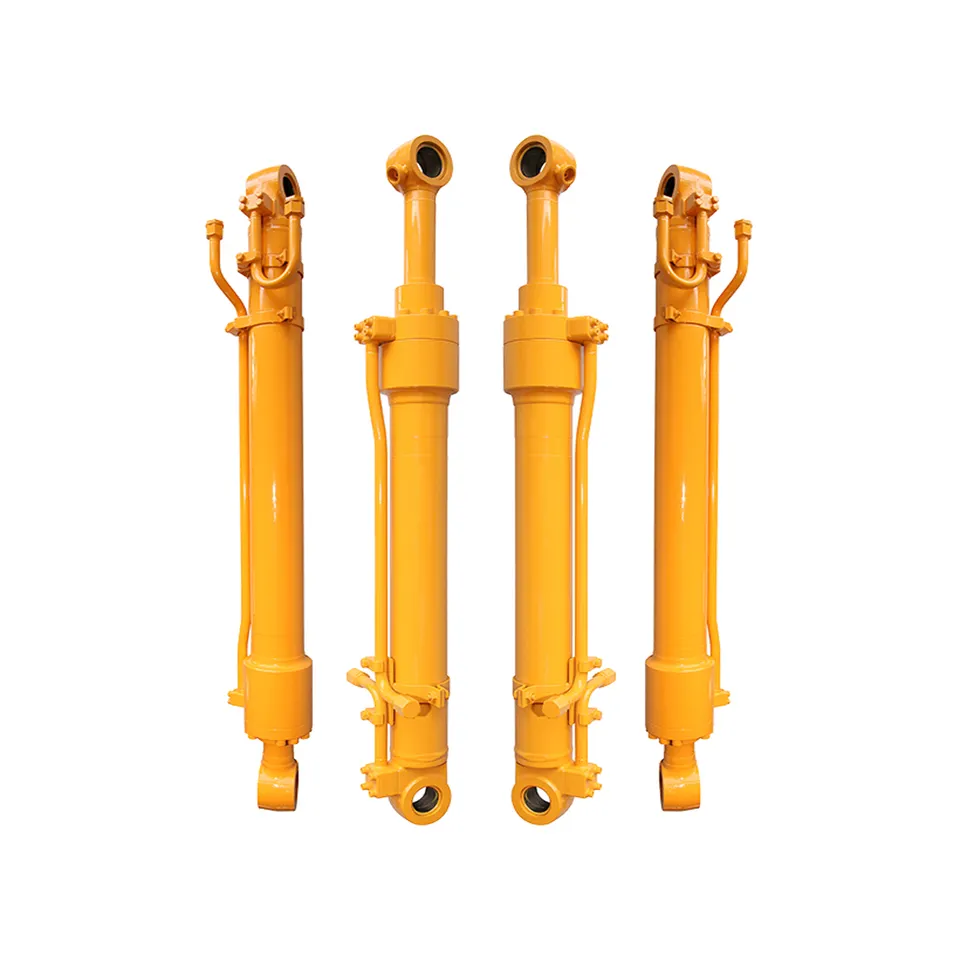
Dock levelers and loading ramps are essential equipment in logistics and transportation facilities, allowing for efficient loading and unloading of goods between trucks and loading docks. Lift cylinders play a crucial role in these systems by providing the necessary lifting and positioning capabilities.
In dock levelers, lift cylinders are employed to bridge the gap between the loading dock and the truck bed, ensuring a smooth transition for material handling equipment such as forklifts or pallet jacks. These cylinders are typically integrated into the mechanical or hydraulic systems of the dock leveler, allowing for controlled vertical movement. By extending or retracting the lift cylinders, the dock leveler can be adjusted to match the height of the truck bed, enabling safe and efficient loading or unloading of cargo.
Loading ramps, also known as mobile yard ramps or portable ramps, are used in situations where a permanent loading dock is not available or when additional flexibility is required. Lift cylinders are utilized in loading ramps to provide the means for height adjustment and inclination control. By extending or retracting the lift cylinders, the ramp can be raised or lowered to align with the truck bed height, facilitating the movement of goods between the ramp and the truck.
The use of lift cylinders in dock levelers and loading ramps ensures precise and controlled positioning during the loading and unloading process. Operators can adjust the lift cylinders to match the specific height requirements, allowing for smooth and safe transfer of materials without causing damage to the goods or the equipment.
Lift cylinders used in dock levelers and loading ramps are designed to withstand heavy loads and endure frequent use. They are constructed with robust materials and incorporate features such as seals and bearings to ensure durability and reliability in demanding industrial environments.
Furthermore, lift cylinders in dock levelers and loading ramps may incorporate safety features such as automatic descent control or velocity fuses. These safety mechanisms help prevent sudden drops or uncontrolled movements in the event of a hydraulic system failure, enhancing the overall safety of the loading and unloading operations.
In summary, lift cylinders are commonly utilized in dock levelers and loading ramps to provide reliable and controlled lifting and positioning capabilities. Their ability to handle heavy loads, facilitate height adjustment, and incorporate safety features makes them integral components in these applications, contributing to efficient and safe material handling operations.
Can lift cylinders be used in lifting and tilting equipment for material dumping?
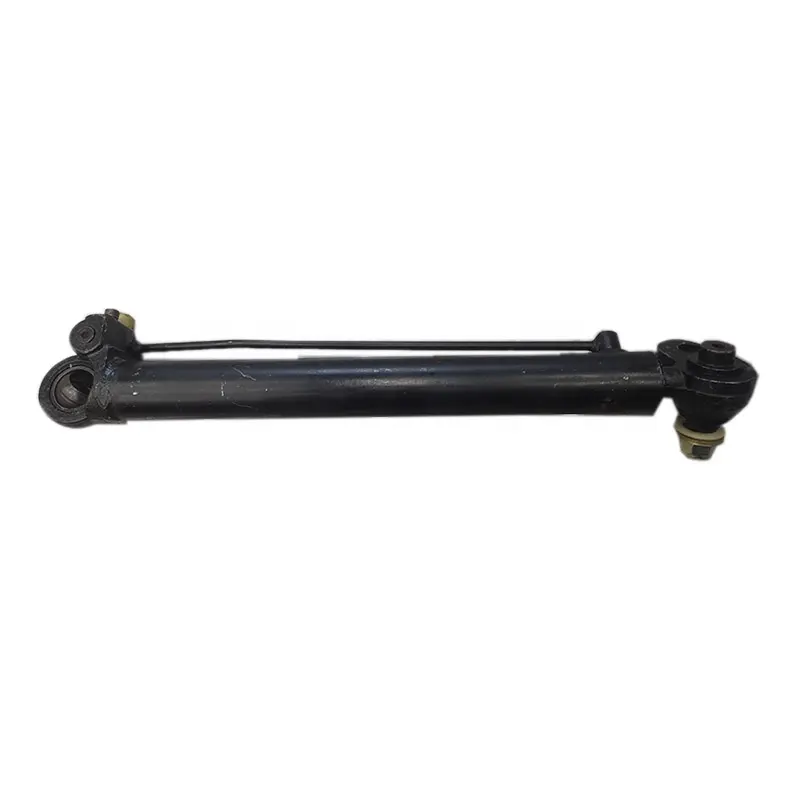
Yes, lift cylinders can be used in lifting and tilting equipment for material dumping. Lift cylinders, also known as hydraulic cylinders, are commonly employed in various industrial applications that involve lifting, pushing, pulling, and holding heavy loads.
When it comes to lifting and tilting equipment for material dumping, lift cylinders play a crucial role in providing the necessary force and controlled movement. Here’s how lift cylinders are used in this context:
- Lifting Mechanism: Lift cylinders are integrated into the lifting mechanism of equipment designed for material dumping. These cylinders are responsible for raising the load, such as a container or a bucket, to the desired height for dumping.
- Tilting Mechanism: Lift cylinders are also utilized in the tilting mechanism of the equipment. They enable controlled tilting of the load, allowing the material to be dumped at the desired angle or location.
- Load Capacity: Lift cylinders are selected based on the load capacity requirements of the equipment. The cylinders must be able to generate sufficient force to lift and tilt the load, ensuring safe and efficient material dumping.
- Control and Safety: Lift cylinders are typically controlled through a hydraulic system that regulates the flow of hydraulic fluid. This allows for precise control over the lifting and tilting actions. Safety features such as pressure relief valves and position sensors may also be incorporated to ensure safe operation.
The use of lift cylinders in lifting and tilting equipment for material dumping offers several advantages. It provides reliable and controlled lifting and tilting capabilities, allowing for efficient material handling. The hydraulic nature of these cylinders enables smooth and precise movements, enhancing the overall performance and productivity of the equipment.
In conclusion, lift cylinders are indeed suitable for use in lifting and tilting equipment for material dumping. Their ability to generate the necessary force and provide controlled movement makes them essential components in this type of machinery.
What are the key components of a lift cylinder?
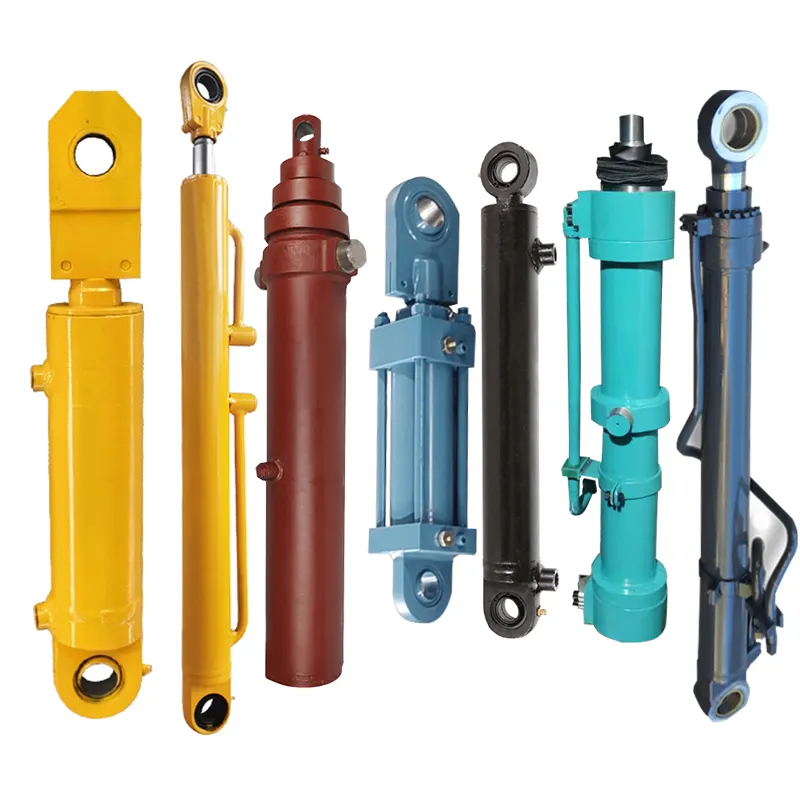
A lift cylinder, also known as a hydraulic lift cylinder or hydraulic lifting cylinder, consists of several key components that work together to enable its functionality. Here’s an explanation of the key components of a lift cylinder:
1. Cylinder Barrel:
The cylinder barrel is a cylindrical hollow tube that forms the main body of the lift cylinder. It provides the housing for the other components and contains the hydraulic fluid, allowing it to flow in and out of the cylinder.
2. Piston:
The piston is a cylindrical component that separates the cylinder barrel into two chambers. It is typically made of metal and has a precise fit within the cylinder barrel. The piston’s movement within the cylinder barrel is crucial for generating the lifting force.
3. Rod:
The rod, also known as the piston rod or plunger rod, is attached to the piston and extends from the cylinder barrel. It serves as a connection point for the load or the mechanism being lifted. The rod transfers the lifting force generated by the piston to the load.
4. Seals:
Seals are essential components that prevent hydraulic fluid leakage and maintain the integrity of the hydraulic system. They are located between the cylinder barrel and the piston, as well as around the rod. Seals ensure that the hydraulic fluid remains contained within the cylinder and prevent external contaminants from entering the system.
5. Hydraulic Fluid:
Hydraulic fluid, such as oil or synthetic fluid, is the medium used to transmit force within the lift cylinder. It is stored within the cylinder barrel and flows in and out of the cylinder to generate the necessary pressure for lifting and lowering operations.
6. Control Valve:
A control valve is a crucial component that regulates the flow of hydraulic fluid into and out of the lift cylinder. It determines the direction and amount of fluid entering the cylinder, allowing for precise control of the lifting and lowering operations. The control valve is typically operated by the operator or controlled automatically in hydraulic systems.
These key components work together to enable the operation of the lift cylinder. When hydraulic fluid is supplied to the appropriate chamber of the cylinder, it applies pressure on the piston, causing it to move and extend or retract the rod. This movement generates the lifting or lowering force required for a specific application.


editor by CX 2024-04-04