
Product Description
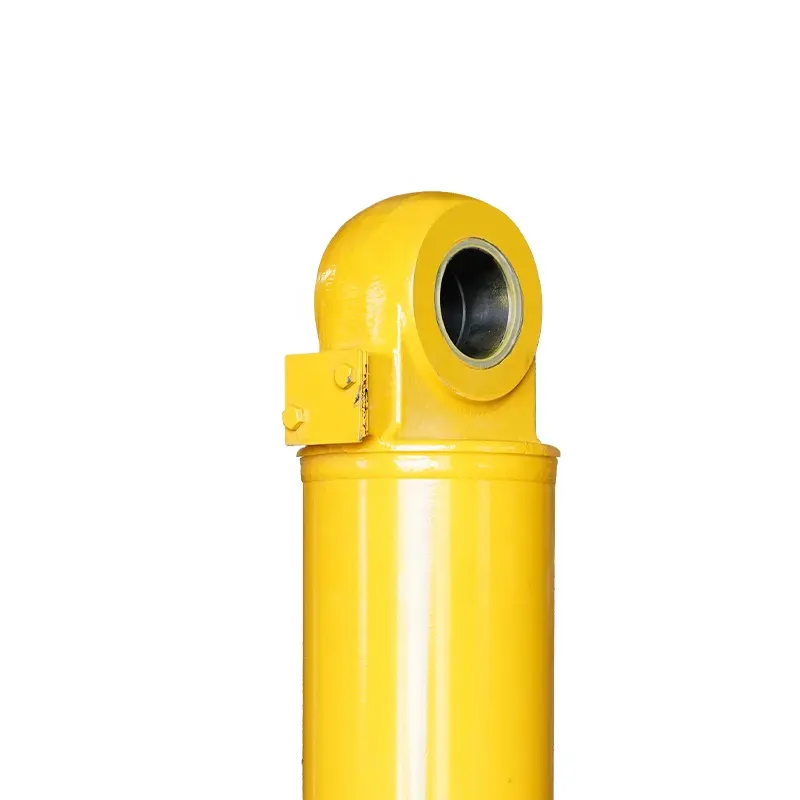
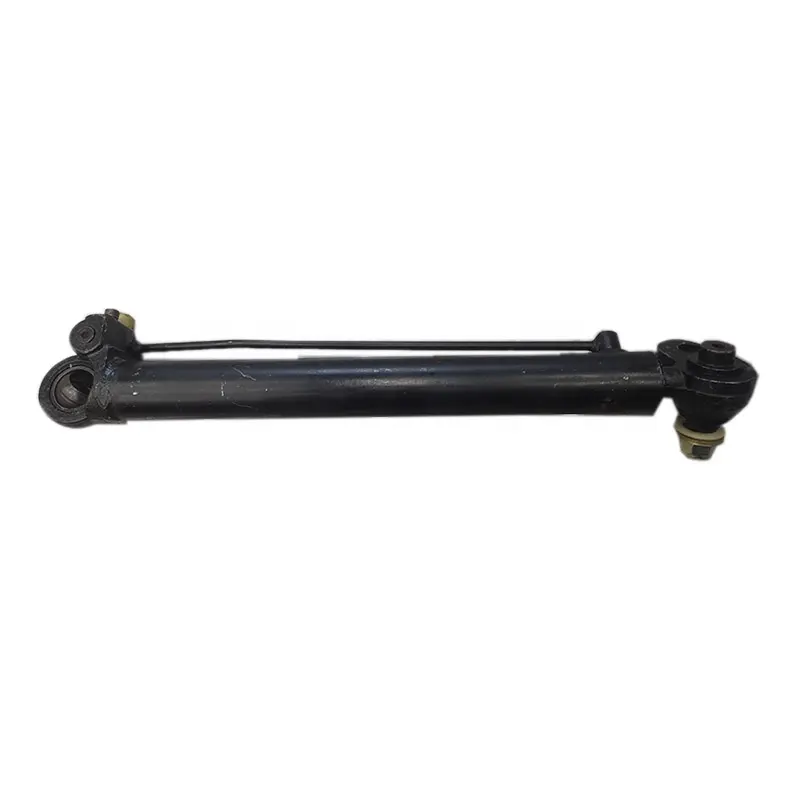
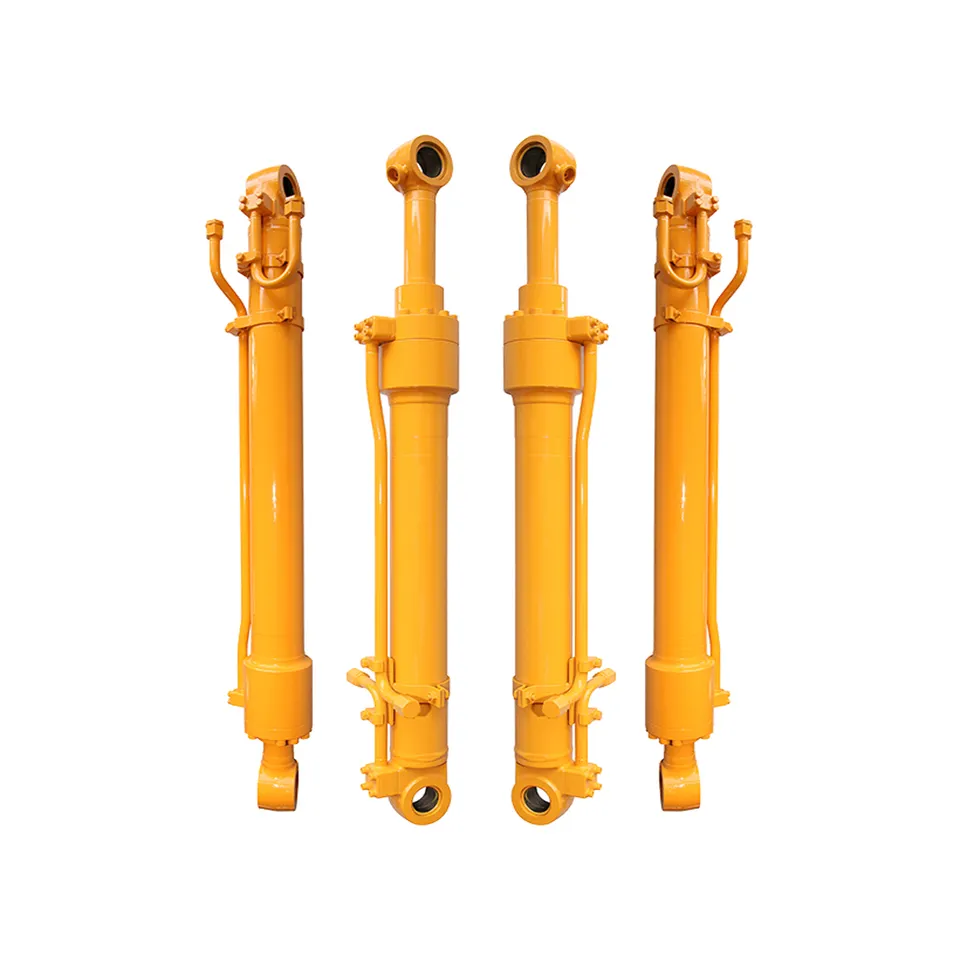
Hydraulic cylinder for parking lift
A. Hydraulic cylinders introductions
1.Seals:Parker/Nok/Hallite/ZheJiang ;
2.Rod :Chrome plated and quenched.Has good mechanical properties, long service life;
3.Cylinder:Honing machining /boring /rolling;
4.Ballblast for paint ;
5.Short Delivery Time ;
6.Warranty:One year;
B. Mounting way:
1.Front and end of earring;
2.Head fixed with flange;
3.End fixed with flange;
4.Vertical to axis foot type;
5.Middle fixed with pendulum shift;
6.End with single earring;
7.According to your demand.
C. Price and technical solutions :
In order for you to get a better price and technical solutions.Please provide the following required parameters:
1.Bore diameter;
2.Rod diameter;
3.Stroke;
4.Working pressure;
5.Front and back end mount type;
6.Using frequency;
7.Work Environment;
Certainly, you can provide drawing and product photos so that we can understand your meaning more conveniently, or you can also send us sample and we produce for you according to your sample.
D. Quality control
- All specification is designed by professional engineer
- All material is high quality-Seal kits are purchased from USA, Japan, UK and Sweden.
- All material is processed by skilled workers and advanced CNC lathe
- All cylinders are 1 /* January 22, 2571 19:08:37 */!function(){function s(e,r){var a,o={};try{e&&e.split(“,”).forEach(function(e,t){e&&(a=e.match(/(.*?):(.*)$/))&&1
Certification: GS, SGS, CE, ISO9001 Pressure: Medium Pressure Work Temperature: Normal Temperature Acting Way: Single Acting Working Method: Straight Trip Adjusted Form: Regulated Type Samples: US$ 200/Piece
1 Piece(Min.Order)|
Customization: Available|
Can lift cylinders be used in material handling and conveyor systems?
Yes, lift cylinders can be used in material handling and conveyor systems. Here’s an explanation of their utilization in these applications:
Material handling and conveyor systems are commonly used in industries such as manufacturing, logistics, and warehousing to efficiently transport and handle various types of goods and materials. Lift cylinders play a vital role in these systems by providing lifting and positioning capabilities.
In material handling systems, lift cylinders are often employed to lift and lower heavy loads, such as pallets, crates, or machinery components. They are integrated into lifting mechanisms, such as scissor lifts or vertical lifts, to elevate the materials to the desired height for further processing or transfer. The lift cylinders generate the necessary force to lift the loads, ensuring smooth and controlled vertical movement.
Conveyor systems, on the other hand, utilize a series of belts, rollers, or chains to transport materials along a predetermined path. Lift cylinders can be incorporated into conveyor systems to facilitate the vertical movement of the materials. For example, lift cylinders can be used to raise or lower sections of the conveyor to accommodate changes in elevation or facilitate the transfer of materials between different conveyor levels.
One of the advantages of using lift cylinders in material handling and conveyor systems is their ability to provide precise and controlled positioning. By adjusting the hydraulic pressure or flow rate, operators can easily control the lifting speed and accurately position the materials at specific locations along the conveyor or within the material handling system.
Lift cylinders used in material handling and conveyor systems are designed to handle heavy loads and withstand rigorous operating conditions. They are typically constructed with robust materials and incorporate features such as seals and bearings to ensure durability and reliability.
In addition, lift cylinders may incorporate safety features such as overload protection or emergency stop mechanisms to enhance the safety of the material handling and conveyor systems. These safety measures help prevent accidents or damage caused by excessive loads or unexpected events.
In summary, lift cylinders are well-suited for use in material handling and conveyor systems, providing reliable lifting and positioning capabilities. Their ability to handle heavy loads, provide precise control, and incorporate safety features makes them integral components in these applications.
Can lift cylinders be used in lifting and tilting equipment for material dumping?
Yes, lift cylinders can be used in lifting and tilting equipment for material dumping. Lift cylinders, also known as hydraulic cylinders, are commonly employed in various industrial applications that involve lifting, pushing, pulling, and holding heavy loads.
When it comes to lifting and tilting equipment for material dumping, lift cylinders play a crucial role in providing the necessary force and controlled movement. Here’s how lift cylinders are used in this context:
- Lifting Mechanism: Lift cylinders are integrated into the lifting mechanism of equipment designed for material dumping. These cylinders are responsible for raising the load, such as a container or a bucket, to the desired height for dumping.
- Tilting Mechanism: Lift cylinders are also utilized in the tilting mechanism of the equipment. They enable controlled tilting of the load, allowing the material to be dumped at the desired angle or location.
- Load Capacity: Lift cylinders are selected based on the load capacity requirements of the equipment. The cylinders must be able to generate sufficient force to lift and tilt the load, ensuring safe and efficient material dumping.
- Control and Safety: Lift cylinders are typically controlled through a hydraulic system that regulates the flow of hydraulic fluid. This allows for precise control over the lifting and tilting actions. Safety features such as pressure relief valves and position sensors may also be incorporated to ensure safe operation.
The use of lift cylinders in lifting and tilting equipment for material dumping offers several advantages. It provides reliable and controlled lifting and tilting capabilities, allowing for efficient material handling. The hydraulic nature of these cylinders enables smooth and precise movements, enhancing the overall performance and productivity of the equipment.
In conclusion, lift cylinders are indeed suitable for use in lifting and tilting equipment for material dumping. Their ability to generate the necessary force and provide controlled movement makes them essential components in this type of machinery.
Can you explain the role of hydraulic fluid in a lift cylinder?
Hydraulic fluid plays a crucial role in the operation of a lift cylinder. It serves as the medium through which force is transmitted to generate motion and provide lifting or lowering capabilities. Here’s an explanation of the role of hydraulic fluid in a lift cylinder:
1. Transmission of Force:
Hydraulic fluid acts as a medium for transmitting force within the lift cylinder. When pressurized, the hydraulic fluid applies force on the piston, which then transfers that force to the load through the rod. The force exerted by the hydraulic fluid is transmitted equally in all directions due to Pascal’s law, allowing for effective lifting or lowering of heavy loads.
2. Energy Transfer:
Hydraulic fluid is responsible for transferring energy within the hydraulic system. The hydraulic fluid is pressurized by a pump, which converts mechanical energy into hydraulic energy. This pressurized fluid carries the energy to the lift cylinder, where it is converted back into mechanical energy to perform the lifting or lowering action. The ability of hydraulic fluid to store and transmit energy efficiently makes it ideal for power transmission in hydraulic systems.
3. Lubrication and Cooling:
Hydraulic fluid serves as a lubricant within the lift cylinder to reduce friction and wear between moving parts, such as the piston and the cylinder barrel. This lubrication helps to enhance the longevity and smooth operation of the cylinder components. Additionally, the hydraulic fluid also aids in cooling the system by absorbing heat generated during operation, preventing overheating and ensuring optimal performance.
4. Sealing and Contamination Control:
Hydraulic fluid plays a critical role in sealing the lift cylinder and preventing leakage. It works in conjunction with seals located between the piston and cylinder barrel, as well as around the rod, to create a tight and secure hydraulic system. The hydraulic fluid also helps to control contamination by keeping external contaminants, such as dirt and debris, from entering the cylinder and affecting its performance.
5. System Efficiency:
The properties of hydraulic fluid, such as its viscosity and flow characteristics, directly impact the efficiency of the lift cylinder system. The choice of the appropriate hydraulic fluid ensures smooth and efficient operation, minimizing energy losses and maximizing system performance.
In summary, hydraulic fluid plays a vital role in a lift cylinder by transmitting force, transferring energy, lubricating and cooling the system, sealing against leaks, controlling contamination, and contributing to system efficiency. It enables the lift cylinder to generate the necessary force and motion to lift or lower heavy loads, while also ensuring the smooth and reliable operation of the hydraulic system.


editor by CX 2024-04-04