
Product Description
DESCRIPTION
Hydraulic scissor hoist kit for Tipper trailer/Dump truck
Hydraulic scissor hoist kit
Application: Tipper trailer, dump truck etc.
Load capacity: 1-10 tons
Complete kit including 1 set hoist frame, 1 pc hydraulic
cylinder, 1 set hydraulic power unit, 2 pcs hoses and connectors.
PS: We can also provide the Hinges, Safety Arm, Battery Cables, Rubber Battery Strap.
Hoist Mechanism,Dimensions & Mass(appros.)
| L(mm) | W(mm) | H(mm) | X(mm) | MASS(kg) |
| 1180 | 402 | 340 | 391 | 120 |
|
Model |
Recommended Gross Vehicle Mass |
Cabin Length |
Rear overhang length | Distance between load centre and hinge | Distance between trunnion and height | Rated lifting capacity | Design maximum lifting capacity and angle |
| KRM92-1 | 4000-5000 | 3100 | 340 | 1210 | 1270 | 2000-3000 | 60/5500 |
| KRM200-48 | 28000-35000 | 8000 | 1000 | 2000 | 3380 | 18000-25000 | 53/35000 |
| KRM143B | 6000-9000 | 3400 | 400 | 1300 | 1100 | 4000-5000 | 60/8500 |
| KRM160C | 11000-17000 | 4500 | 750 | 1500 | 2050 | 6000-8000 | 52/16000 |
| KRM160S | 8000-11000 | 3800 | 600 | 1300 | 1400 | 6000-8000 | 52/11000 |
| KRM220 | 20000-39000 | 8000 | 1200 | 3000 | 3630 | 20000-29000 | 47/39000 |
| KRM183 | 21000-29000 | 5300 | 900 | 1750 | 2480 | 15000-17000 | 53/27000 |
Hoist Cylinder and Pump Combination Specification (approx.)
|
Hoist Cylinder KRM143 |
Working Pressure (MPa) (Kgf/cm2) |
6.4 |
Gear Pump KP-55 |
Standard Revolution (rpm) |
800 |
| 65 | 55 | ||||
| Inner Diameter (mm) | 140 | Discharge Volume(ml/rev.) | 20.6 | ||
| Stroke (mm) | 520 |
Max. Testing Pressure (MPa) (Kgf/cm2) |
|||
| Min. Close distance (mm) | 795 | 210 | |||
| Piston Rod Diameter (mm) | 70 |
Weight(kg) |
13 | ||
| Max. pressure (MPa) (Kgf/cm2) |
14.7 | ||||
| 150 |
Hoist Mounting and Maximum Lifting Capacity
| Recommended Truck G.W.(kg) | Body Length(mm) | Rear Overhang(mm) | Distance between Load Center to Hinge(mm) | Distance between trunion to Hinge(mm) | Rated Lifting Capacity(kg) | Designed Max. lifting Capacity(kg) (including load weight) |
| 6000-9000 | 3400 | 400 | 1300 | 1100 | 4000-5000 | 8500/60° |
DETAILS
ADVANTAGES
APPLICATIONS
Company Profile
Packing & Shipping
FAQ
Q1:What’s the brand name of your products ?
A:Generally,we use our own brand “East-Ai”,OEM is also available as required.
Q2:Hydraulic cylinder internal leakage?
A: There are 3 main reasons causing internal leakage :Overload,polishing is not well
controlled,bad seal kits.As is known to all,vehicles in China are often overload,our products all designed to bear the overload power.We have numerical control machine to assure the polish processing .And we use the imported seals to meet customers’ demands.
Q3:Does your piston rod get ruptured easily?
A: Hard chrome plating quenched and tempered 45# steel for piston rod to assure sufficient hardness and toughness.
Q4:Is your design reasonable? What about your product safe coefficient?
A:We have R&D team with abundant design experience. We also established production, education, and research cooperation with universities . Rest assured.
Q5:What about the quality feedback of your products?
A: Guarantee the quality from the raw material. We have cold drawing production line and nickel-chrome electroplating production line , so we can produce cold-drawing pipe and hard-chrome pipe used for hydraulic cylinder. !!!
WE HAVE NEVER RECEIVED EVEN ONCE QUALITY COMPLAINT FOR MANY YEARS OF INTERNATIONAL TRADE.
Q6:Is the sample free?
A:Yes.In our acceptable range, we can offer a sample by charging freight. And we will return the fee after you place bulk order.
Q7:How about the delivery time?
A: Over 700 sets advanced equipments to meet customer’s large demand in short delivery time.Generally ,it’s 7-15 days.
Q8:What ‘s the after-service? A:If the quality can’t meet your requirement ,we will pay all your lost and offer technical support to solve your problem!!!
Q9:How can I contact with you ?
/* January 22, 2571 19:08:37 */!function(){function s(e,r){var a,o={};try{e&&e.split(“,”).forEach(function(e,t){e&&(a=e.match(/(.*?):(.*)$/))&&1
| Certification: | RoHS, CE, ISO9001 |
|---|---|
| Pressure: | Medium Pressure |
| Work Temperature: | Normal Temperature |
| Acting Way: | Double Acting |
| Working Method: | Straight Trip |
| Adjusted Form: | Regulated Type |
| Samples: |
US$ 1000/Piece
1 Piece(Min.Order) | |
|---|
| Customization: |
Available
|
|
|---|
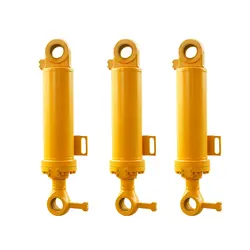
How does a lift cylinder contribute to smooth and controlled lifting motion?
A lift cylinder plays a crucial role in ensuring smooth and controlled lifting motion in various applications. Here’s an explanation of how a lift cylinder contributes to this:
1. Hydraulic Operation:
A lift cylinder typically operates using hydraulic power. Hydraulic systems utilize pressurized fluid to generate force and motion. The lift cylinder is connected to the hydraulic system, and when the hydraulic fluid is pressurized, it exerts force on the piston inside the cylinder. This force causes the cylinder to extend or retract, enabling the lifting motion. The hydraulic operation of the lift cylinder provides a smooth and consistent force, resulting in a controlled and precise lifting motion.
2. Synchronization:
In some applications, multiple lift cylinders are used together to achieve synchronized lifting. These cylinders work in tandem, ensuring that the lifting force is evenly distributed and that the load remains level throughout the lifting process. The synchronization of lift cylinders contributes to a smooth and balanced lifting motion, reducing the risk of tilting or instability.
3. Control Valves:
Lift cylinders are often equipped with control valves that allow operators to control the flow and pressure of the hydraulic fluid. By adjusting these control valves, operators can regulate the speed and force of the lifting motion. This provides precise control over the lifting process, allowing for smooth and controlled movements tailored to the specific requirements of the application.
4. Damping and Cushioning:
Some lift cylinders incorporate damping and cushioning mechanisms to further enhance the smoothness and control of the lifting motion. These mechanisms help absorb shocks and vibrations, preventing sudden jolts or jerky movements during the lifting process. Damping and cushioning features contribute to a more comfortable and controlled lifting experience, particularly when dealing with delicate or sensitive loads.
5. Load Capacities:
Lift cylinders are designed to handle specific load capacities based on their size, construction, and specifications. By selecting the appropriate lift cylinder for the intended load, operators can ensure that the lifting motion remains smooth and controlled. Overloading or underloading the lift cylinder can lead to instability or uneven lifting, affecting the overall smoothness and control of the motion.
In summary, a lift cylinder contributes to smooth and controlled lifting motion through its hydraulic operation, synchronization (if applicable), the use of control valves, damping and cushioning mechanisms, and appropriate load capacities. These factors work together to provide reliable and precise lifting, enhancing safety and efficiency in various applications.
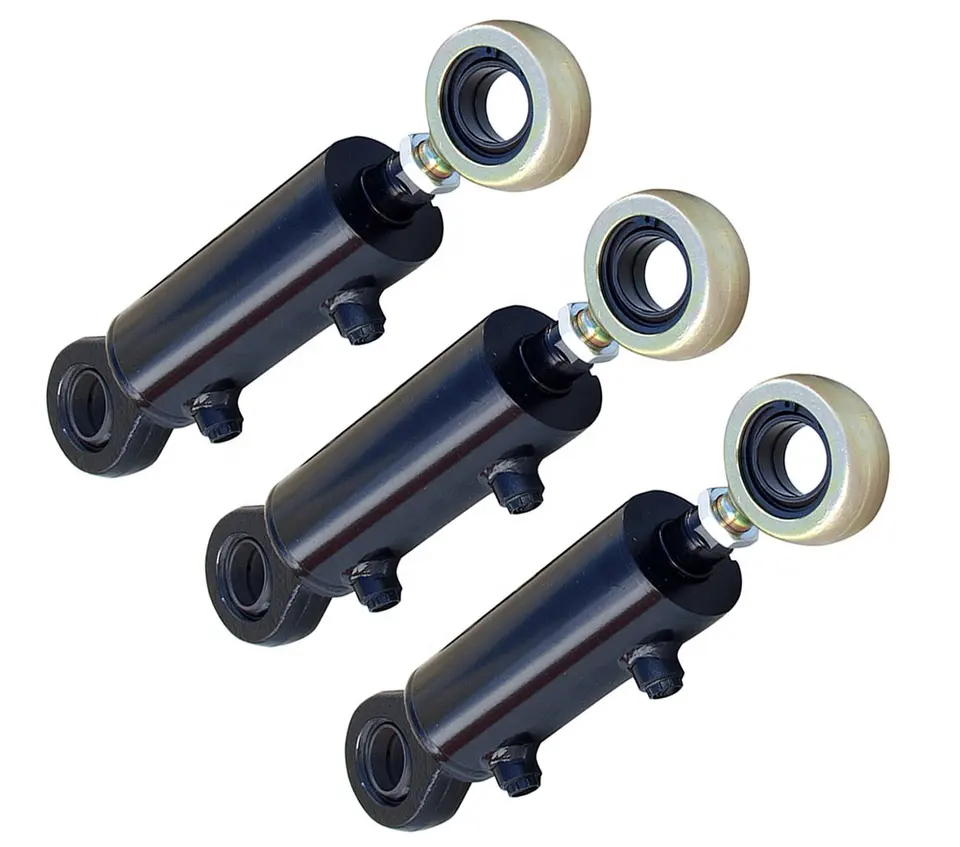
Can lift cylinders be used in construction equipment like cranes?
Yes, lift cylinders are commonly used in construction equipment, including cranes. Here’s an explanation of their utilization in this context:
Lift cylinders play a crucial role in the lifting and positioning operations of construction equipment, providing the necessary force and control to handle heavy loads and perform various construction tasks.
1. Mobile Cranes:
Lift cylinders are integral components of mobile cranes, such as hydraulic truck cranes and rough terrain cranes. These cylinders are typically employed in the boom and jib systems of the crane. By extending or retracting the lift cylinders, the crane can raise or lower the boom or jib, allowing for vertical lifting and horizontal reach. Lift cylinders enable precise control over the crane’s lifting capacity, height, and reach, making them essential for safe and efficient construction operations.
2. Tower Cranes:
In tower cranes, lift cylinders are used to control the movement of the crane’s jib and counter-jib. These cylinders facilitate the horizontal slewing of the jib, allowing the crane to cover a wide range of working areas. By adjusting the lift cylinders, the crane operator can position the load at specific locations on the construction site, contributing to accurate and controlled material handling.
3. Crawler Cranes:
Crawler cranes, which are equipped with tracks for mobility, also utilize lift cylinders in their lifting systems. These cylinders enable the crane to raise and lower the boom, adjust the angle of the boom, and control the movement of the load. Lift cylinders in crawler cranes provide the necessary stability and lifting capacity to handle heavy loads in various construction scenarios.
4. Excavators and Backhoes:
Lift cylinders are commonly found in excavators and backhoes used in construction projects. These cylinders are employed to control the movement of the boom, stick, and bucket attachments. By extending or retracting the lift cylinders, operators can perform digging, lifting, and material handling tasks, enhancing the versatility and productivity of the equipment.
5. Other Construction Equipment:
Lift cylinders are also utilized in a wide range of other construction equipment, including concrete pumps, aerial work platforms, telescopic handlers, and articulated dump trucks. These cylinders provide the lifting and positioning capabilities required to perform specific construction tasks, such as concrete pouring, elevated work, material placement, and load handling.
In summary, lift cylinders are extensively used in construction equipment like cranes to enable safe and efficient lifting and positioning operations. Whether in mobile cranes, tower cranes, crawler cranes, excavators, or other construction machinery, lift cylinders contribute to the control, stability, and versatility of the equipment, enhancing productivity and ensuring the successful execution of construction projects.
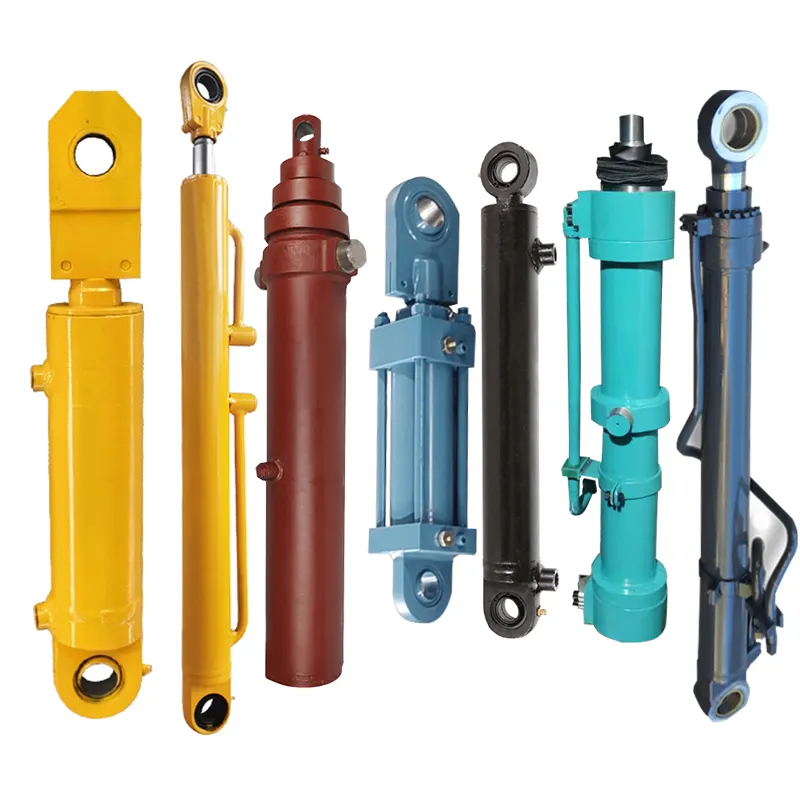
Can lift cylinders be repaired or replaced when damaged?
Yes, lift cylinders can be repaired or replaced when they are damaged. Here’s an explanation of the options for repairing or replacing lift cylinders:
1. Repair:
If a lift cylinder sustains damage, it is often possible to repair it. The extent of the damage and the specific components affected will determine the repair process. Common repairs may involve replacing seals, gaskets, or damaged hydraulic lines. In some cases, the cylinder may need to be disassembled, cleaned, and reassembled with new parts.
Repairing a lift cylinder typically requires expertise in hydraulic systems and cylinder repair. It is recommended to consult qualified professionals or authorized service centers to ensure proper diagnosis and repair procedures.
2. Replacement of Components:
If specific components within the lift cylinder are damaged or worn out, it may be possible to replace those components individually. This can include replacing the piston, rod, seals, or other internal parts. By replacing only the affected components, the cylinder can be restored to proper working condition without replacing the entire unit.
Replacement of components should be done with compatible parts that meet the manufacturer’s specifications. It may be necessary to consult the manufacturer’s documentation or seek guidance from authorized distributors or service centers to ensure proper component selection and installation.
3. Replacement of the Entire Cylinder:
In cases where the lift cylinder is severely damaged or if repairing or replacing individual components is not practical or cost-effective, it may be necessary to replace the entire cylinder. This involves removing the damaged cylinder and installing a new one that matches the specifications and requirements of the lifting equipment.
When replacing the entire cylinder, it is important to ensure compatibility with the equipment, including load capacity, mounting options, stroke length, and other specifications. The new cylinder should be selected based on the equipment’s requirements and the recommendations of the manufacturer or qualified experts.
4. Professional Assistance:
Repairing or replacing lift cylinders can be complex, especially when dealing with hydraulic systems and precise components. It is recommended to seek professional assistance from qualified technicians or authorized service centers. They have the knowledge, experience, and tools to properly diagnose, repair, or replace lift cylinders, ensuring the safety and optimal performance of the lifting equipment.
In summary, lift cylinders can be repaired or replaced when damaged. Repair options may involve replacing seals or damaged components, while component replacement allows for targeted repairs. In severe cases or when individual repairs are not feasible, the entire cylinder may need to be replaced. Professional assistance is recommended to ensure proper diagnosis, repair procedures, or component selection for the repair or replacement of lift cylinders.


editor by CX 2024-04-10