
Product Description
| HEADLINE | Hydraulic Cylinder with Lift Ram Cylinder Double Acting | |||
| PART NAME | Hydraulic cylinder | |||
| PART NUMBER | HGEI2571/OEM | |||
| MATERIAL | Rod: 40Cr/45#; Tube: 27SiMn/20#; Seals: Kaden/Aston/Parker; Chrom coating: 30-60 micro. | |||
| FEATURES | 1. Seals kit: Superior quality named-brand seals, durable and hard-wearing with long service life. 2. Heat treatment: Quenching&Tempering, Rod surface hardness: HRC48-54. 3. Cleaning: Ultrasonic cleaning. 4.Rod:Induction hardened prior to chrome plating enhances the surface hardness, improve corrosion resistance and anti-scratch performance. 5.Bushing: Hardened steel bushing or copper bushing. 6.Cap: all caps are made of forged high strength steel. 7.Piston: High pressure piston sealing material. Teflon or nylon seals, High precision machining maximize the consistency of parts 8. Testing: Ultrasonic detector, spectrograph, CMM, metallography, chrome thickness tester. 9. Work Pressure: 7/14/16/21/31.5/ 37.5/63MPa Can be Customized |
|||
| PRODUCT APPLICATION | Including manufacturing engineering machinery, construction, forestry, waste management, mining, material handling, industrial applications, agriculture, manufacturing, transportation, marine applications and oil field equipment. | |||
| MANUFACTURING PROCESS | Assembly. | |||
| MOQ | 1 Set (It is able to provide a few samples first time) | |||
| PACKAGE | Standard package. | |||
| PAYMENT TERM | T/T, Western Union. | |||
| DELIEVERY TIME | 7-15 Days,Also depands on specific demands | |||
| TRANSPORTATION | DHL/FEDEX/UPS/TNT/ARAMEX, AIR & SEA | |||
| Product Catalog | ||||
| Boom cylinder | Stick cylinder | Bucket cylinder | Dozer blade cylinder | |
| PC56-7 | 707-00-XJ030 | 707-00-XJ040 | 707-00-XJ050 | 707-00-0J060 |
| 707-00-0J0301 | 707-00-0J040 | 707-00-0J0501 | 707-11-11A60 | |
| Weight | 46kg | 46kg | 29kg | 31kg |
| PC60-7 | 201-63-X2502 | 201-63-X2511 | 201-63-X2520 | 201-63-57131 |
| 707-00-XC891 | 707-00-XC901 | 707-00-XC911 | ||
| Weight | 66kg | 66kg | 66kg | 66kg |
| PC60-8 | 707-00-XT260 | 707-00-XT271 | 707-00-XT280 | 707-00-0J910 |
| PC70-8 | 707-00-XT261 | 707-00-XT270 | 707-00-XT281 | |
| 707-00-0J880 | 707-00-XJ890 | 707-00-0J900 | ||
| 707-00-0J881 | 707-00-XJ891 | 707-00-0J901 | ||
| 707-00-0J890 | ||||
| 707-00-0J891 | ||||
| Weight | 88kg | 73kg | 49kg | 48kg |
| PC110-7 | PC220-8 PC200-8M0 | PC110-8 | PC130-8 | PC200-8 |
| PC130-7 | PC240-8 PC210-8M0 | PC210-8 | ||
| Boom cylinder 707-01-XT600 |
707-01-XS480 707-E1-X1410 | 707-E1-01670 | 707-E1-01710 | 707-01-XS390 |
| 707-01-XT610 | 707-01-0H680 724-Z1-13081 | 707-13-95150 | 707-13-10740 | 707-01-0H580 |
| 707-01-XT200 | 707-01-XS490 707-E1-X1420 | 707-58-65A20 | 707-58-70A90 | 707-01-XS400 |
| 707-01-XT210 | ||||
| 707-01-XT120 | ||||
| 707-01-XT130 | ||||
| Stick cylinder 707-01-XU070 |
707-01-XR840 707-E1-X1470 | 707-E1-01690 | 707-E1-01690 | 707-01-XR250 |
| 707-01-XT620 | 707-01-0J840 724-Z1-13131 | 707-13-11920 | 707-13-11920 | 707-01-0J250 |
| 707-01-XU530 | 707-58-75990 | 707-58-75990 | ||
| 707-01-0F030 | ||||
| Bucket cylinder 707-01-XU080 |
707-01-XR870 707-E1-X1490 | 707-E1-01700 | 707-E1-01740 | 707-01-XR280 |
| 707-01-0F040 | 707-01-0J870 724-Z1-13165 | 707-13-90340 | 707-13-95160 | 707-01-0J280 |
| 707-01-XT631 | 707-58-60A20 | 707-58-65A30 | ||
| 707-01-XG701 | ||||
| 707-01-0G700 | ||||
| Weight 66kg | PC300-8M0 PC400-7 | 66kg | 66kg | 66kg |
| PC220-8M0 | PC360-8M0 PC450-7 | PC200-7 | PC220-7 | PC300-7 |
| PC240-8M0 | 707-F1-X0681 707-01-XT520 | PC210-7 | PC360-7 | |
| Boom cylinder 707-G1-X0161 |
707-01-XT530 | 707-01-XZ820 | 707-01-XX070 | 707-01-XF391 |
| 707-E1-00161 | 707-01-0G550 | 707-01-XZ830 | 707-01-XX080 | 707-01-XF390 |
| 707-G1-X0171 | 707-01-XA960 | 707-01-XE550 | 707-01-XF401 | |
| 707-E1-00161 | 707-01-XA970 | 707-01-XE560 | 707-01-XF400 | |
| 707-01-XA290 | 707-01-XA350 | 707-01-0F391 | ||
| 707-01-XA360 | 707-01-0F390 | |||
| Stick cylinder 707-G1-X0261 |
66kg | 707-01-XZ901 | 707-01-XF461 | |
| 707-E1-00260 | 707-F1-X2180 707-01-XM340 | 707-01-XC121 | 707-01-XF412 | |
| 707-01-0AF80 | 707-01-XA371 | 707-01-0F461 | ||
| 707-01-XAF80 | 707-01-0F412 | |||
| Bucket cylinder 707-G1-X571 |
707-01-XM420 | 707-01-XG880 | 707-01-XF471 | |
| 707-E1-571 | 707-H1-X2190 707-01-XM350 | 707-01-XG491 | 707-01-XF423 | |
| 707-01-0AF90 | 707-01-XA380 | 707-01-0F471 | ||
| 707-01-XM440 | 707-01-0F423 | |||
| Weight 66kg | 66kg | 66kg | 66kg | |
/* January 22, 2571 19:08:37 */!function(){function s(e,r){var a,o={};try{e&&e.split(“,”).forEach(function(e,t){e&&(a=e.match(/(.*?):(.*)$/))&&1
| After-sales Service: | Free Services and Repairs |
|---|---|
| Warranty: | Free Services and Repairs |
| Type: | Wheel Excavator |
| Usage: | Special Excavator, Mining Excavator, GM Excavator |
| Bucket: | Shovel |
| Transmission: | Hydraulic Transmission |
| Samples: |
US$ 600/Piece
1 Piece(Min.Order) | |
|---|
| Customization: |
Available
|
|
|---|
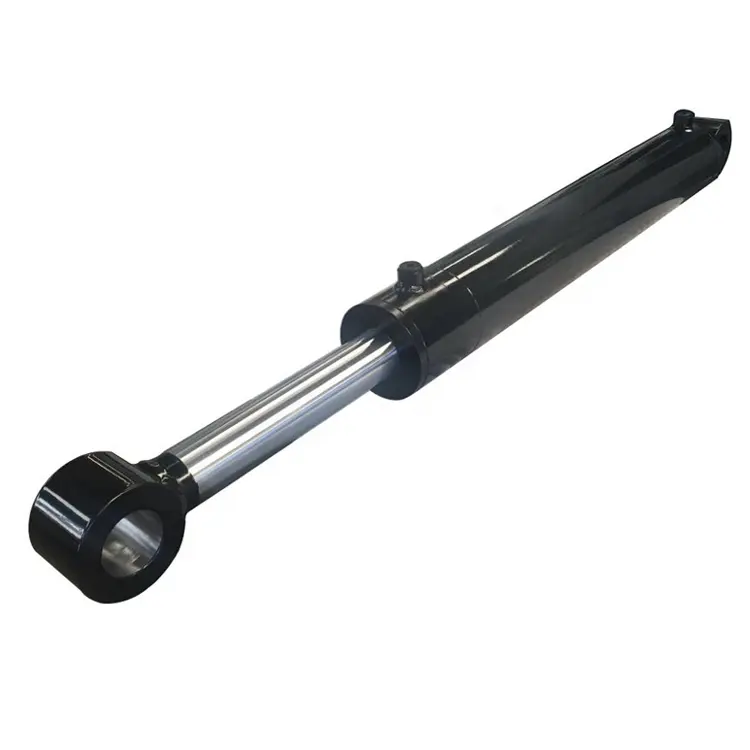
How does a lift cylinder contribute to energy-efficient lifting?
A lift cylinder plays a significant role in promoting energy-efficient lifting operations. Here’s an explanation of how lift cylinders contribute to energy efficiency:
1. Hydraulic System Efficiency:
Lift cylinders are commonly used in hydraulic systems, which are known for their high efficiency. Hydraulic systems utilize pressurized fluid to transmit power, allowing for smooth and controlled lifting operations. The hydraulic fluid is circulated within the system, and the lift cylinder converts the pressure of the fluid into mechanical force to lift the load. Compared to other mechanical lifting mechanisms, hydraulic systems, including lift cylinders, experience minimal energy loss due to their efficient power transmission.
2. Power-to-Weight Ratio:
Lift cylinders are designed to have a high power-to-weight ratio. This means that they can generate a substantial lifting force relative to their weight. By utilizing lightweight yet durable materials and optimizing the design, lift cylinders can effectively lift heavy loads while minimizing the amount of energy required. The efficient power-to-weight ratio contributes to energy efficiency by reducing the overall power consumption during lifting operations.
3. Load-Specific Design:
Lift cylinders are often engineered to match the specific load requirements of lifting applications. By customizing the design parameters, such as bore size, stroke length, and operating pressure, lift cylinders can be optimized for the intended load capacities and lifting tasks. This load-specific design ensures that the lift cylinder operates at its optimal efficiency, minimizing energy waste and maximizing the lifting performance.
4. Regenerative Systems:
In certain lifting applications, lift cylinders can be integrated into regenerative systems. Regenerative systems capture and store energy that would otherwise be dissipated as heat during the lowering phase of the lifting operation. This stored energy can then be reused to assist in the subsequent lifting process, reducing the overall energy consumption. Regenerative systems enhance energy efficiency by utilizing the otherwise wasted energy to partially power the lifting operation.
5. Control Systems:
Advanced control systems can be implemented in conjunction with lift cylinders to optimize energy efficiency. These control systems, such as proportional valves or variable-speed drives, allow for precise control of the lifting process. By adjusting the flow rate or speed of the hydraulic fluid, operators can match the power output of the lift cylinder to the specific load requirements, minimizing energy waste and improving overall efficiency.
6. Maintenance and Optimization:
Regular maintenance and optimization of lift cylinders are essential for maintaining energy efficiency. Proper lubrication, seal replacements, and overall system inspections help ensure that the lift cylinder operates at its peak performance. By identifying and addressing any issues or inefficiencies, maintenance practices contribute to energy-efficient lifting operations.
In summary, lift cylinders contribute to energy-efficient lifting through hydraulic system efficiency, a high power-to-weight ratio, load-specific design, regenerative systems, control systems, and proper maintenance. By utilizing these features and practices, lift cylinders help minimize energy consumption and enhance overall lifting efficiency.
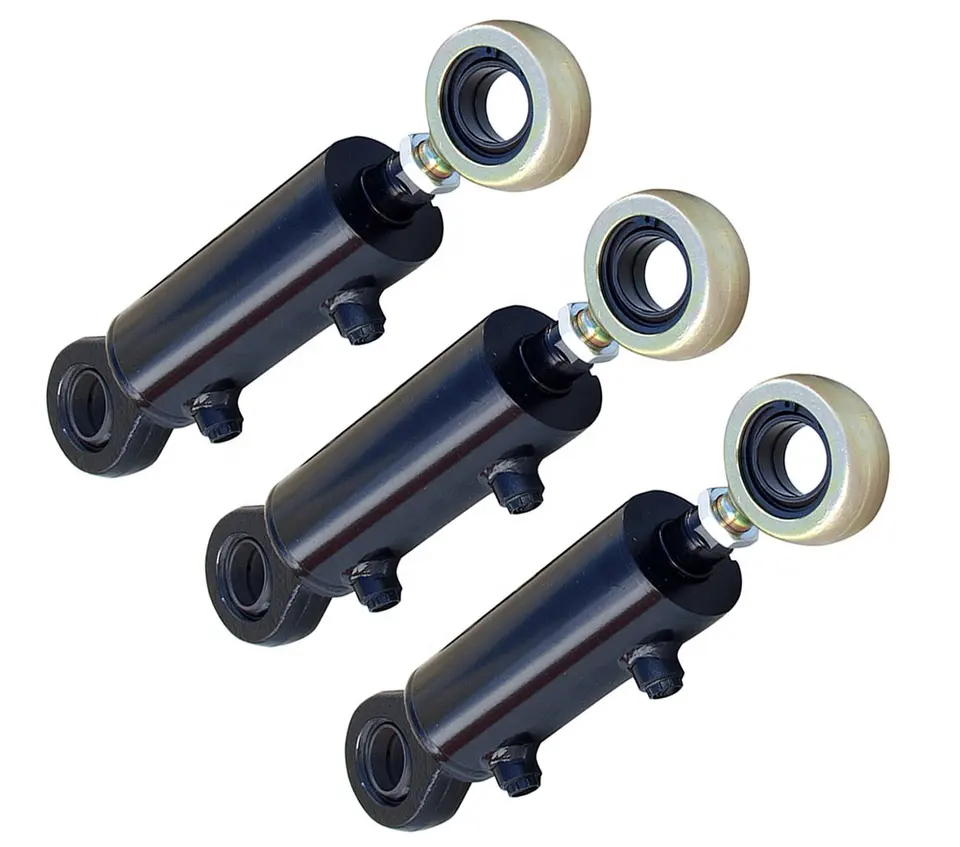
Can lift cylinders be used in construction equipment like cranes?
Yes, lift cylinders are commonly used in construction equipment, including cranes. Here’s an explanation of their utilization in this context:
Lift cylinders play a crucial role in the lifting and positioning operations of construction equipment, providing the necessary force and control to handle heavy loads and perform various construction tasks.
1. Mobile Cranes:
Lift cylinders are integral components of mobile cranes, such as hydraulic truck cranes and rough terrain cranes. These cylinders are typically employed in the boom and jib systems of the crane. By extending or retracting the lift cylinders, the crane can raise or lower the boom or jib, allowing for vertical lifting and horizontal reach. Lift cylinders enable precise control over the crane’s lifting capacity, height, and reach, making them essential for safe and efficient construction operations.
2. Tower Cranes:
In tower cranes, lift cylinders are used to control the movement of the crane’s jib and counter-jib. These cylinders facilitate the horizontal slewing of the jib, allowing the crane to cover a wide range of working areas. By adjusting the lift cylinders, the crane operator can position the load at specific locations on the construction site, contributing to accurate and controlled material handling.
3. Crawler Cranes:
Crawler cranes, which are equipped with tracks for mobility, also utilize lift cylinders in their lifting systems. These cylinders enable the crane to raise and lower the boom, adjust the angle of the boom, and control the movement of the load. Lift cylinders in crawler cranes provide the necessary stability and lifting capacity to handle heavy loads in various construction scenarios.
4. Excavators and Backhoes:
Lift cylinders are commonly found in excavators and backhoes used in construction projects. These cylinders are employed to control the movement of the boom, stick, and bucket attachments. By extending or retracting the lift cylinders, operators can perform digging, lifting, and material handling tasks, enhancing the versatility and productivity of the equipment.
5. Other Construction Equipment:
Lift cylinders are also utilized in a wide range of other construction equipment, including concrete pumps, aerial work platforms, telescopic handlers, and articulated dump trucks. These cylinders provide the lifting and positioning capabilities required to perform specific construction tasks, such as concrete pouring, elevated work, material placement, and load handling.
In summary, lift cylinders are extensively used in construction equipment like cranes to enable safe and efficient lifting and positioning operations. Whether in mobile cranes, tower cranes, crawler cranes, excavators, or other construction machinery, lift cylinders contribute to the control, stability, and versatility of the equipment, enhancing productivity and ensuring the successful execution of construction projects.
Can lift cylinders be used for both lifting and lowering applications?
Yes, lift cylinders are designed to be versatile and can be used for both lifting and lowering applications. Here’s an explanation of how lift cylinders are utilized for both lifting and lowering:
Lift cylinders are a type of hydraulic cylinder that converts fluid pressure into linear motion. They consist of a cylinder barrel, a piston, a rod, and seals. When hydraulic fluid is pressurized and directed into the cylinder, it exerts force on the piston, causing it to move in a linear direction.
Lifting Applications:
In lifting applications, the lift cylinder extends to raise or lift a load. As hydraulic fluid is pumped into the cylinder, the pressure increases, pushing the piston and rod outward. This extension of the cylinder generates the necessary force to lift the load. The lifting capacity of the cylinder depends on its design, including the diameter of the piston and the pressure rating of the system.
Lowering Applications:
For lowering applications, the lift cylinder retracts to lower the load. By controlling the flow of hydraulic fluid out of the cylinder, the pressure is reduced, allowing the weight of the load to push the piston and rod back into the cylinder. This controlled retraction enables smooth and controlled lowering of the load.
Lift cylinders are commonly used in various industries and applications where controlled vertical motion is required. Examples include lifting platforms, scissor lifts, dump trucks, hydraulic elevators, and material handling equipment. The ability to perform both lifting and lowering actions makes lift cylinders highly versatile and adaptable to different operational needs.
In summary, lift cylinders can be utilized for both lifting and lowering applications. By controlling the flow of hydraulic fluid, these cylinders can extend to lift a load and retract to lower it, offering flexibility and efficiency in a wide range of industries and equipment.


editor by CX 2024-04-11