
Product Description
Product Description
| Specifications These gas springs are used for the office chairs and various other systems where step less height adjustment is required. These gas springs bring comfort to the occupant who is carring out various activities while sitting for long periods. |
| Advantages:1) ease of height adjustment with touch of a knob, to suit the mood of the occupant and to achieve the operational height conformity for comfort better productivity.2) slight cushioning effect in the block condition, resist or reduces the pressure on the back while sitting or occupying the chair for a long period.3) easy installation.4)this gas springs facilitates ergonomic characteristic in seating system. |
| Areas of application 1) swivel chairs for smooth height adjustment. 2) industrial chairs and stools for ergonomic sitting in the industry. 3) dental stools and ophthalmic chairs. 4) work tables. 5) beauty parlor chairs |
| Model | C | S | L | V | X | Y | F1±1KG |
| MX-40mm | 40D | 210 | 250 | 135 | 60 | 10 | 500 |
| MX-65mm | 65D | 215 | 280 | 160 | 60 | 10 | 480/550 |
| MX-85mm | 85D | 235 | 320 | 175 | 60 | 10 | 400 |
| MX-100mm | 100D | 250 | 360 | 185 | 60 | 10 | 400 |
| MX-120mm | 120D | 270 | 390 | 195 | 60 | 10 | 400 |
| MX-140mm | 140D | 290 | 430 | 225 | 60 | 10 | 380 |
| MX-160mm | 160D | 330 | 510 | 285 | 60 | 10 | 380 |
| MX-200mm | 200D | 360 | 560 | 295 | 60 | 10 | 380 |
| MX-260mm | 260D | 440 | 700 | 365 | 60 | 10 | 380 |
Company Profile
Production Workshop
Packaging & Shipping
Certifications
FAQ
1.Q: What is our factory product range?
A:1)Office chair parts.Such as office chair castor wheel,shaft collar,gas spring for cabinet,office chair gas spring.
2.Q: How to order?
A:Please send us your purchase order by Email or Fax.
1) Product information:Quantitiy,Specification(size , color, logo and packing requirement),
2) Delivery time required.
3) Shipping information:Company name,Address,Phone number,Destination seaport/airport.
4) Forwarder’s contact details if there is any in China.
3.Q: How long and how to get sample from us ?
A:1) If you need some sample to text,we can make as per your request,please provide us PDF or AI for Making.
2) Lead time for making sample:about 7 days
3) The transportation freight of samples: the freight depends on the weight and packing size and your area.
4.Q: What is the payment terms for sample cost and order amount?
A:For sample, we accept the payment sent by West Union,Paypal, for orders, we can accept T/T or L/C at sight.
5.Q: What is the whole process for doing business with us ?
A:1) First,please provide details of the products you need we quote for you.
2) If price is acceptable and client need sample,we provide samples for your reference.
3) If client approve sample and require for bulk production for order,we will provide Proforma Invoice for client,and we will arrange to produce at once when we get 30% deposit.
4) We will send photos of all goods,packing,details,and B/L copy for client after goods are finished.We will arrange shipment and provide original B/L when the client pay the balance.
6.Q: Can the logo or company name to be printed on the products or package?
A:Sure.Your logo or company name can be printed on your products by stamping, printing,embossing,die cast, coating or sticker.
7.Q: What advantages we have?
A:Rich experience: We have more than 10 years experience in this industry.
That means,we can preview the problems for the orders and products.
Therefore,it will make sure to reduce the risk of bad situation to happen.
Point to point service: There is 1 sale who will serve you from inquiry to products shipped out.During the process,you just need to discuss with her for all problems and the way saves much time.
Free design: If you are not ready for the designs,the professional designers will be able to help you with it freely.
Strict QC: For each order,strict inspection will be carried out by the QC department before shipping.The bad quality will be avoid within door.
/* January 22, 2571 19:08:37 */!function(){function s(e,r){var a,o={};try{e&&e.split(“,”).forEach(function(e,t){e&&(a=e.match(/(.*?):(.*)$/))&&1
| Function: | Pressed |
|---|---|
| Material: | Stainless Steel |
| Usage: | Industrial, Furniture |
| Load Type: | Compression |
| Production Process: | Hot Roll |
| Shape: | Cylinder |
| Samples: |
US$ 30/Piece
1 Piece(Min.Order) | |
|---|
| Customization: |
Available
|
|
|---|
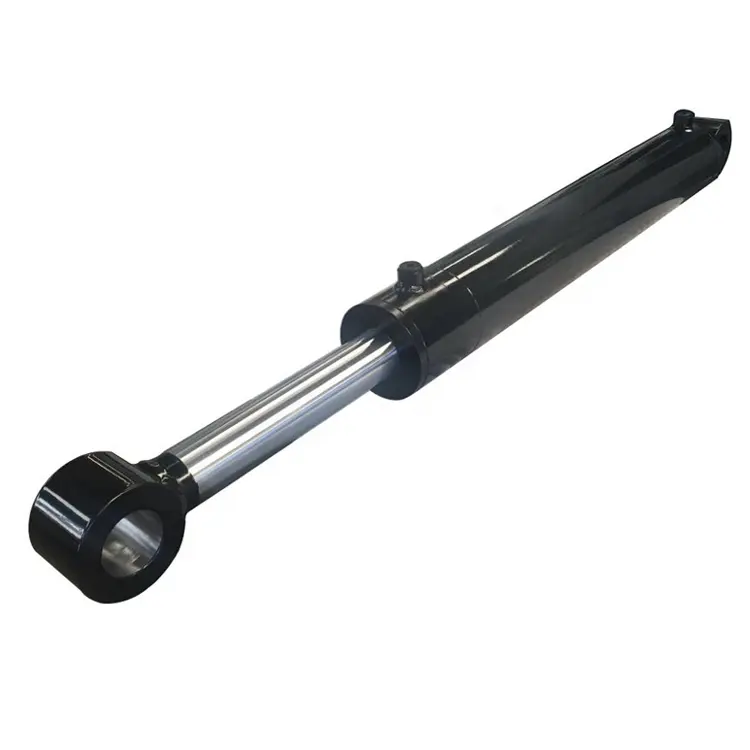
How does a lift cylinder contribute to energy-efficient lifting?
A lift cylinder plays a significant role in promoting energy-efficient lifting operations. Here’s an explanation of how lift cylinders contribute to energy efficiency:
1. Hydraulic System Efficiency:
Lift cylinders are commonly used in hydraulic systems, which are known for their high efficiency. Hydraulic systems utilize pressurized fluid to transmit power, allowing for smooth and controlled lifting operations. The hydraulic fluid is circulated within the system, and the lift cylinder converts the pressure of the fluid into mechanical force to lift the load. Compared to other mechanical lifting mechanisms, hydraulic systems, including lift cylinders, experience minimal energy loss due to their efficient power transmission.
2. Power-to-Weight Ratio:
Lift cylinders are designed to have a high power-to-weight ratio. This means that they can generate a substantial lifting force relative to their weight. By utilizing lightweight yet durable materials and optimizing the design, lift cylinders can effectively lift heavy loads while minimizing the amount of energy required. The efficient power-to-weight ratio contributes to energy efficiency by reducing the overall power consumption during lifting operations.
3. Load-Specific Design:
Lift cylinders are often engineered to match the specific load requirements of lifting applications. By customizing the design parameters, such as bore size, stroke length, and operating pressure, lift cylinders can be optimized for the intended load capacities and lifting tasks. This load-specific design ensures that the lift cylinder operates at its optimal efficiency, minimizing energy waste and maximizing the lifting performance.
4. Regenerative Systems:
In certain lifting applications, lift cylinders can be integrated into regenerative systems. Regenerative systems capture and store energy that would otherwise be dissipated as heat during the lowering phase of the lifting operation. This stored energy can then be reused to assist in the subsequent lifting process, reducing the overall energy consumption. Regenerative systems enhance energy efficiency by utilizing the otherwise wasted energy to partially power the lifting operation.
5. Control Systems:
Advanced control systems can be implemented in conjunction with lift cylinders to optimize energy efficiency. These control systems, such as proportional valves or variable-speed drives, allow for precise control of the lifting process. By adjusting the flow rate or speed of the hydraulic fluid, operators can match the power output of the lift cylinder to the specific load requirements, minimizing energy waste and improving overall efficiency.
6. Maintenance and Optimization:
Regular maintenance and optimization of lift cylinders are essential for maintaining energy efficiency. Proper lubrication, seal replacements, and overall system inspections help ensure that the lift cylinder operates at its peak performance. By identifying and addressing any issues or inefficiencies, maintenance practices contribute to energy-efficient lifting operations.
In summary, lift cylinders contribute to energy-efficient lifting through hydraulic system efficiency, a high power-to-weight ratio, load-specific design, regenerative systems, control systems, and proper maintenance. By utilizing these features and practices, lift cylinders help minimize energy consumption and enhance overall lifting efficiency.
How does a lift cylinder contribute to load clamping and gripping?
A lift cylinder plays a significant role in load clamping and gripping applications by providing the necessary force and control to securely hold objects in place. Lift cylinders, also known as hydraulic cylinders, are widely used in various industrial settings for lifting, pushing, pulling, and holding heavy loads.
When it comes to load clamping and gripping, lift cylinders contribute in the following ways:
- Clamping Force: Lift cylinders can generate a high clamping force, which is utilized to tightly hold objects together. By exerting pressure on clamping mechanisms or jaws, the cylinders ensure a secure grip on the load, preventing undesired movement or slippage.
- Gripping Action: Lift cylinders are integrated into gripping devices or gripper systems to perform gripping actions. These cylinders provide the force necessary to close the gripper fingers or jaws around the object, creating a firm grip. The gripping action allows for safe transportation, manipulation, or assembly of the load.
- Controlled Pressure: Lift cylinders offer precise control over the clamping or gripping force. The hydraulic system controlling the cylinders allows for adjustable pressure settings, enabling operators to tailor the clamping force according to the specific requirements of the application. This control ensures optimal grip without damaging the load.
- Positioning and Alignment: Lift cylinders assist in the positioning and alignment of the load during clamping or gripping operations. They can be used to finely adjust the position of the clamping or gripping elements, ensuring accurate and proper alignment with the load. This precision helps achieve a secure and balanced grip on the object.
The use of lift cylinders in load clamping and gripping applications offers several advantages. They provide reliable and powerful clamping or gripping force, enabling safe and efficient handling of objects. The adjustable pressure and precise control allow for customization based on the load characteristics, ensuring optimal grip without causing damage.
In summary, lift cylinders contribute significantly to load clamping and gripping by providing the necessary force, control, and adjustability. Their integration into clamping mechanisms and gripper systems enhances safety, accuracy, and productivity in various industrial processes.
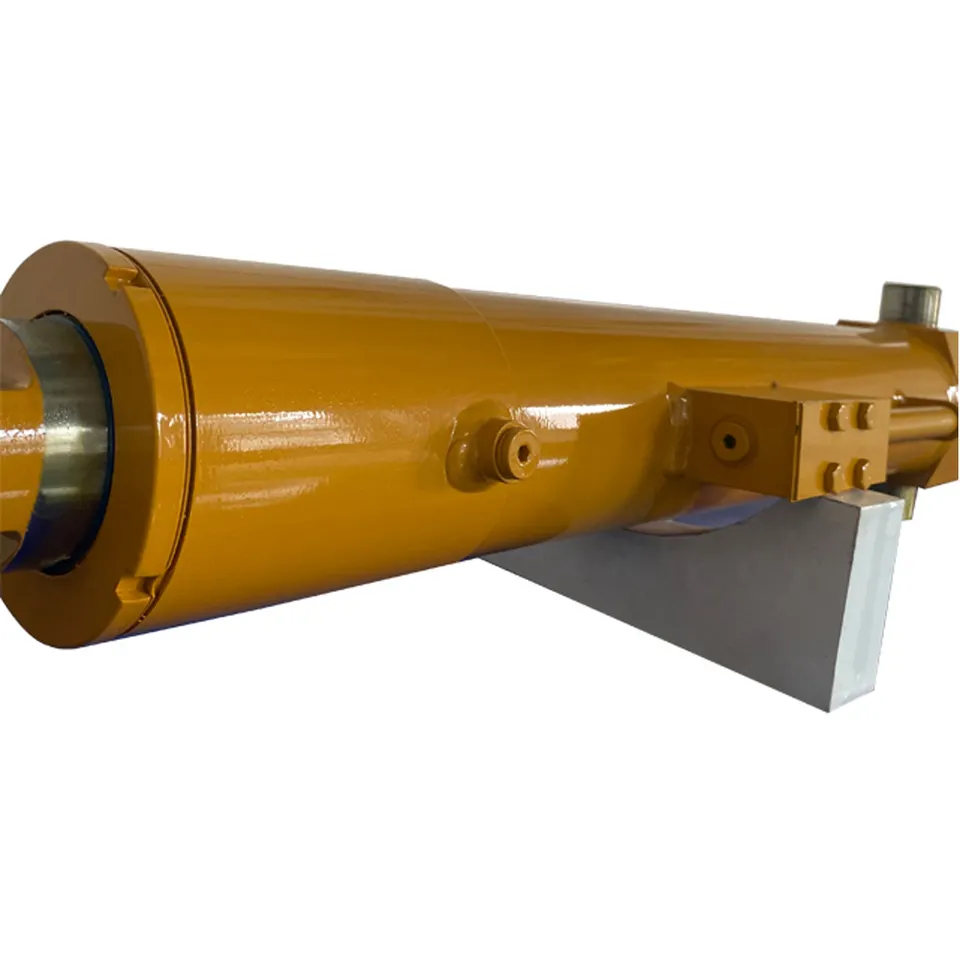
What industries commonly use lift cylinders in their applications?
Lift cylinders, also known as hydraulic lift cylinders or hydraulic lifting cylinders, find applications in various industries where lifting, lowering, and vertical motion are required. Here are some industries that commonly use lift cylinders:
1. Material Handling and Logistics:
Lift cylinders are extensively used in material handling and logistics industries. They are employed in equipment such as forklifts, pallet jacks, and reach trucks to lift and lower loads, enabling efficient movement and storage of goods in warehouses, distribution centers, and manufacturing facilities.
2. Construction and Heavy Machinery:
In the construction industry, lift cylinders are utilized in equipment such as cranes, excavators, loaders, and scissor lifts. They provide the necessary lifting force to handle heavy materials, perform lifting operations at construction sites, and facilitate the movement of equipment and materials in challenging environments.
3. Automotive and Transportation:
In the automotive and transportation sectors, lift cylinders are used in applications such as vehicle lifts, car hoists, and hydraulic ramps. These cylinders enable the lifting and lowering of vehicles for maintenance, repair, and inspection purposes, ensuring efficient and safe operations in automotive workshops, garages, and service stations.
4. Aerospace and Aviation:
Lift cylinders play a critical role in the aerospace and aviation industries. They are employed in aircraft maintenance lifts, ground support equipment, and hydraulic systems for aircraft doors and landing gear. Lift cylinders enable the precise positioning and movement of aircraft components, ensuring safe and reliable operations in the aviation sector.
5. Manufacturing and Industrial Equipment:
In manufacturing and industrial settings, lift cylinders are utilized in a wide range of applications. They are used in hydraulic presses, machine tools, assembly lines, and industrial lifts to provide the necessary vertical motion for lifting, positioning, and manipulating various components and materials in production processes.
6. Healthcare and Medical Equipment:
Lift cylinders find applications in the healthcare industry, particularly in medical equipment such as patient lifts, hospital beds, and examination tables. These cylinders enable safe patient handling and positioning, facilitating caregiver tasks and ensuring patient comfort and mobility.
These are just a few examples of industries that commonly use lift cylinders in their applications. The versatility and reliability of lift cylinders make them valuable components in numerous sectors where controlled vertical motion and lifting capabilities are essential.


editor by CX 2024-04-12