
Product Description
Hydraulic Cylinder for Floor-Type Two Post Car Lift
A. Hydraulic cylinders introductions
1.Seals:Parker/Nok/Hallite/ZheJiang ;
2.Rod :Chrome plated and quenched.Has good mechanical properties, long service life;
3.Cylinder:Honing machining /boring /rolling;
4.Ballblast for paint ;
5.Short Delivery Time ;
6.Warranty:One year;
B. Mounting way:
1.Front and end of earring;
2.Head fixed with flange;
3.End fixed with flange;
4.Vertical to axis foot type;
5.Middle fixed with pendulum shift;
6.End with single earring;
7.According to your demand.
C. Price and technical solutions :
In order for you to get a better price and technical solutions.Please provide the following required parameters:
1.Bore diameter;
2.Rod diameter;
3.Stroke;
4.Working pressure;
5.Front and back end mount type;
6.Using frequency;
7.Work Environment;
Certainly, you can provide drawing and product photos so that we can understand your meaning more conveniently, or you can also send us sample and we produce for you according to your sample.
D. Quality control
- All specification is designed by professional engineer
- All material is high quality-Seal kits are purchased from USA, Japan, UK and Sweden.
- All material is processed by skilled workers and advanced CNC lathe
- All cylinders are 1 /* January 22, 2571 19:08:37 */!function(){function s(e,r){var a,o={};try{e&&e.split(“,”).forEach(function(e,t){e&&(a=e.match(/(.*?):(.*)$/))&&1
Certification: GS, SGS, CE, ISO9001 Pressure: Medium Pressure Work Temperature: Normal Temperature Acting Way: Single Acting Working Method: Straight Trip Adjusted Form: Regulated Type Samples: US$ 200/Piece
1 Piece(Min.Order)|
Customization: Available|
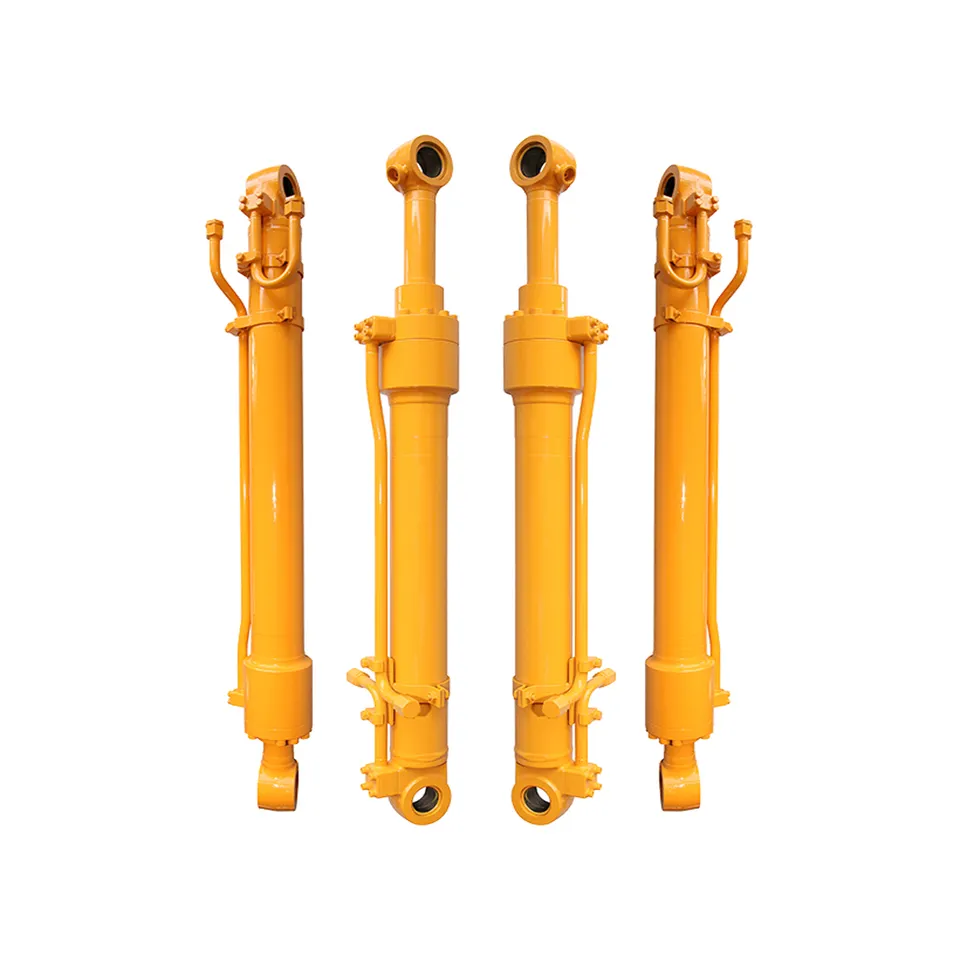
Can lift cylinders be used in dock levelers and loading ramps?
Yes, lift cylinders can be used in dock levelers and loading ramps. Here’s an explanation of their utilization in these applications:
Dock levelers and loading ramps are essential equipment in logistics and transportation facilities, allowing for efficient loading and unloading of goods between trucks and loading docks. Lift cylinders play a crucial role in these systems by providing the necessary lifting and positioning capabilities.
In dock levelers, lift cylinders are employed to bridge the gap between the loading dock and the truck bed, ensuring a smooth transition for material handling equipment such as forklifts or pallet jacks. These cylinders are typically integrated into the mechanical or hydraulic systems of the dock leveler, allowing for controlled vertical movement. By extending or retracting the lift cylinders, the dock leveler can be adjusted to match the height of the truck bed, enabling safe and efficient loading or unloading of cargo.
Loading ramps, also known as mobile yard ramps or portable ramps, are used in situations where a permanent loading dock is not available or when additional flexibility is required. Lift cylinders are utilized in loading ramps to provide the means for height adjustment and inclination control. By extending or retracting the lift cylinders, the ramp can be raised or lowered to align with the truck bed height, facilitating the movement of goods between the ramp and the truck.
The use of lift cylinders in dock levelers and loading ramps ensures precise and controlled positioning during the loading and unloading process. Operators can adjust the lift cylinders to match the specific height requirements, allowing for smooth and safe transfer of materials without causing damage to the goods or the equipment.
Lift cylinders used in dock levelers and loading ramps are designed to withstand heavy loads and endure frequent use. They are constructed with robust materials and incorporate features such as seals and bearings to ensure durability and reliability in demanding industrial environments.
Furthermore, lift cylinders in dock levelers and loading ramps may incorporate safety features such as automatic descent control or velocity fuses. These safety mechanisms help prevent sudden drops or uncontrolled movements in the event of a hydraulic system failure, enhancing the overall safety of the loading and unloading operations.
In summary, lift cylinders are commonly utilized in dock levelers and loading ramps to provide reliable and controlled lifting and positioning capabilities. Their ability to handle heavy loads, facilitate height adjustment, and incorporate safety features makes them integral components in these applications, contributing to efficient and safe material handling operations.
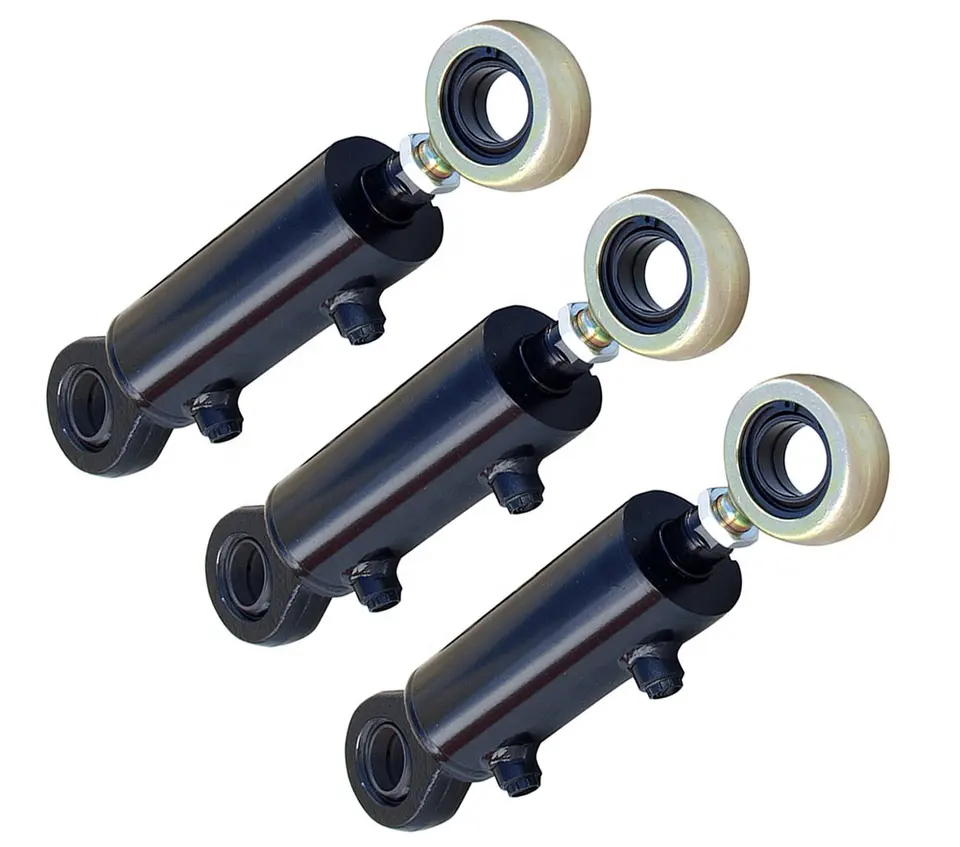
Can lift cylinders be used in hydraulic presses for material forming?
Yes, lift cylinders can be used in hydraulic presses for material forming. Hydraulic presses are widely employed in manufacturing processes that involve shaping, bending, or compressing materials such as metal, plastic, or rubber.
Lift cylinders, also known as hydraulic cylinders, play a crucial role in hydraulic presses by providing the force required for material forming. Here’s how lift cylinders are utilized in this context:
- Force Generation: Lift cylinders are responsible for generating the force necessary to exert pressure on the material being formed. They convert hydraulic energy into mechanical force, enabling the press to shape or mold the material according to the desired specifications.
- Stroke Length: Lift cylinders have an adjustable stroke length, allowing them to accommodate different material forming requirements. By modifying the stroke length, the press can apply varying degrees of force and control to achieve the desired shape and dimensions of the formed material.
- Control and Precision: Lift cylinders offer precise control over the force and movement in hydraulic presses. The hydraulic system controlling the cylinders allows for accurate adjustment and regulation of the pressure, speed, and timing of the forming process. This control ensures consistent and precise material forming results.
- Die Mounting: Lift cylinders are employed in the mounting of dies or tooling within the hydraulic press. The cylinders provide the necessary lifting and lowering action to secure the dies in place and facilitate their proper alignment with the material being formed. This ensures accurate and repeatable forming operations.
- Safety Features: Hydraulic presses incorporating lift cylinders often include safety features such as pressure relief valves, emergency stop controls, and overload protection. These features help safeguard operators and prevent damage to the press or the formed material.
The use of lift cylinders in hydraulic presses for material forming offers several advantages. They provide the high force capability required for effective shaping and forming of various materials. The adjustable stroke length and precise control allow for versatility and customization, accommodating different forming needs. The integration of safety features ensures safe operation and protects both the equipment and personnel.
In conclusion, lift cylinders are suitable for use in hydraulic presses for material forming. Their ability to generate force, adjust stroke length, and provide precise control makes them essential components in achieving accurate, efficient, and reliable material forming processes.
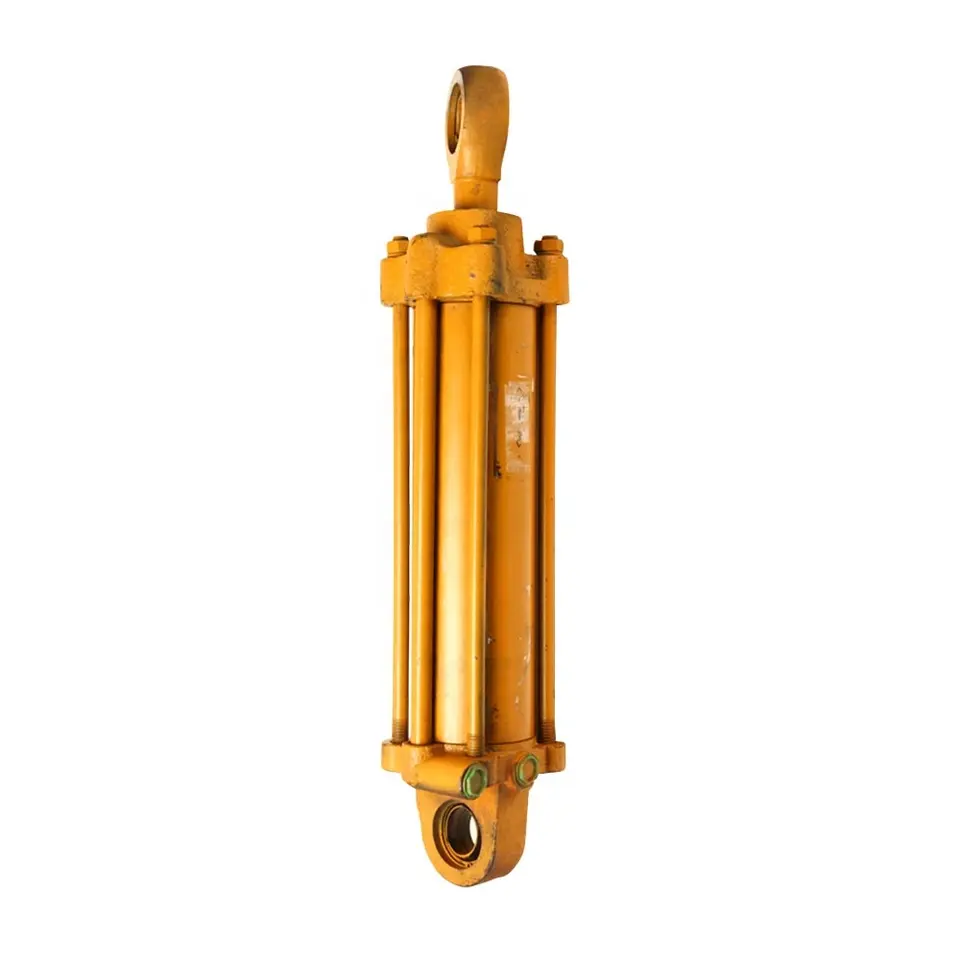
How does a lift cylinder contribute to precise load positioning?
A lift cylinder plays a crucial role in achieving precise load positioning in various applications. Here’s an explanation of how a lift cylinder contributes to precise load positioning:
1. Controlled Vertical Motion:
A lift cylinder provides controlled vertical motion, allowing for accurate and precise movement of the load. By adjusting the hydraulic fluid flow and pressure, the cylinder extends or retracts with the desired speed and smoothness. This controlled motion enables precise positioning of the load at the desired height or location.
2. Adjustable Stroke Length:
Lift cylinders often have an adjustable stroke length, which refers to the distance the piston can travel within the cylinder barrel. By customizing the stroke length according to the specific load positioning requirements, the cylinder can achieve the desired precision. This adjustability allows for fine-tuning the cylinder’s movement to accurately position the load with precision.
3. Load Holding Capability:
Lift cylinders are designed to have load holding capability, meaning they can maintain the position of the load without drifting or unwanted movement. This is achieved through the use of seals, locking mechanisms, or pressure control valves that prevent the cylinder from extending or retracting unintentionally. The load holding capability ensures that once the load is positioned precisely, it remains stable and secure.
4. Sensing and Feedback Systems:
Advanced lift cylinder systems may incorporate sensing and feedback mechanisms to enhance load positioning precision. These systems use sensors to measure the position, force, or pressure within the cylinder and provide feedback to the control system. This real-time feedback allows for continuous adjustments and fine-tuning of the cylinder’s movements, ensuring precise load positioning.
5. Integration with Control Systems:
Lift cylinders can be integrated with control systems that enable precise load positioning. Through electronic controls or programmable logic controllers (PLCs), the cylinder’s movement can be precisely controlled and coordinated with other equipment or processes. This integration allows for synchronized movements and accurate load positioning in complex automation systems.
In summary, a lift cylinder contributes to precise load positioning through controlled vertical motion, adjustable stroke length, load holding capability, sensing and feedback systems, and integration with control systems. These features and capabilities enable lift cylinders to achieve the precise positioning required in various applications, ranging from material handling to industrial automation.


editor by Dream 2024-04-29