
Product Description
Company Profile
Wantong is a professional hydraulic cylinder manufacturer in China, specialized in the design, R&D and manufacture of hydraulic machinery.We have developed unique and advanced equipment by ourselves to insure first-class quality! All production steps are finished in the same factory, and this guarantees good quality and short lead time. Our main products are hydraulic cylinders for dump trucks, coal mining machinery, tippers, engineering machinery .We have a professional research and development team and cooperate with many universities. Advanced equipment, excellent talents and strict management help us develop first-class products.We have CHINAMFG and advanced production equipments including cold drawing line, heat treatment line, surface treatment line, testing machines and various CNC machines.
Product Description
Product advantage
1.Adopt the international first-class processing technology to ensure the stable and reliable quality.
2.Light, large load,easy to maintain.
3.Alloy seamless steel pipe, excellent texture, superior mechanical properties.
4.World famous brand (HALLITE,PARKER,NOK)sealed, longer life.
5.Gantry type linear plating production line, anti-corrosion, better hardness.
Specification
| Item | Value |
| Product Name | FC Type Hydraulic Cylinder |
| Outer Tube Diameter | 179mm |
| Inner Tube Diameter | 157mm |
| Rod Diameter | 99mm |
| Maximum Stroke | 4450mm |
| Weight | 290kg |
| Warranty | 14 Months |
| Working Pressure | 2000 PSI |
| Place of Origin | ZheJiang ,China |
| Color | Client’s Request |
Production Equipment
The company has more than 1000 sets of machinery processing,automatic precision processing, cold drawing, electroplating, heat treatment, automatic painting system, automatic assembly control system, automatic welding and other equipment. With the processing of cylinder diameter 630mm, length of 6 CHINAMFG within the cylinder of the whole process processing capacity.
Quality Inspection
Our company has abundant technical force and perfect testing means. By making wide technical and business cooperation with many related enterprises, universities, colleges and institutes both at home and abroad, and employing senior engineers and software engineers, we have greatly strengthened and improved our designing, processing, and testing abilities. Every piece of hydraulic cylinder are tested and will send out only after they are pasted the each test.
1). Trial Operation Test
2). Start-up Pressure Test
3). Pressure-Tight Test
4). Leak Test
5). Full Stroke Test
6). Buffer Test
7). Testing the Effect of Limit
8). Load Efficiency Test
9). Reliability Test
Packing & Delivery
To better ensure the safety of your goods, professional, environmentally friendly, convenient and efficient packaging services will be provided.
Our Service
1).Pre-sale service: Keep communicating with the truck manufacturers, including selection of product model, design of hydraulic system, test of performance and analysis of the accident. Once the problems occur, we will solve them immediately together with truck manufacturers.
2).The sale service: Provide training and technical support for users.
3).After-sale service: Solve the problem firstly, then analyse responsibility ; Replace the system components immediately if any need.
4). 24 hours telephone service hotline.
Our Honor
Our Customer
Domestic Marketing Locations
The company’s products are widely sold in ZheJiang , ZheJiang , ZheJiang , ZheJiang , ZheJiang , ZheJiang , ZheJiang , ZheJiang , ZheJiang and other more than 20 provinces, municipalities and autonomous regions.
Foreign Marketing Locations
Our products are exported to the United States, Canada, Mexico, Russia, South Africa, Indonesia and other Europe, America, South America, Southeast Asia.
FAQ
Q1. What are the same aspects of your cylinder with CHINAMFG cylinder?
A: Same inside structure.
Same outside dimension and same mounting sizes. It can be interchangeable with Hyva’s
Q2. Compared with CHINAMFG cylinder, what are your cylinder advantages?
A: 1. Rod are chrome plated.
2. Tubes are quenched and tempered.
3. Tube inner hole goes through deep hole boring machine processing. Surface roughness is 0.4Ra and circular degree is 0.571.
4. Good quality yet lower price.
Q3: Are you a manufacture or a trade company?
A: Manufacture, we are the leader manufacturer of hydraulic industry in China with over 20 years’ experience and technology accumulation. With strong technical team we could solve any annoyance of you.
Q4: Do you have quality control system?
A: Yes, The quality management system introduced is: ISO/TS 16949:2009-certified by NQA and IATF cert.
Q5: How can I get a booklet and buy a cylinder from you?
A: Very easy! Just leave me a message or email or call me directly, let me know you are interesting in our products. I will talk with you for the details soon!
Q6: Can you tell me the price for the cylinder?
A: 1. Please advice the drawing with technical requirement.
2. Please advice the model No. after you check our booklet.
3. Please advice the tipping capacity, number of stages, closed length, mounting type and size.
4. Please also help advice the quantities, this is very important.
Q7: Do your products come with a warranty?
A: Yes, we have 14 months from production time. In this time, if the quality problem we will free repair for you.
Q8: Hydraulic cylinder internal leakage?
A: 3 main reasons causing internal leakage: overload, polishing bad controlled, cheap seal kits. As is known to all, vehicles in China are often overloaded, our products all designed to bear the overload power. Advanced equipment could assure the polish processing. And we use the imported/TOP brand seals to meet customers’ requirement.
Q9: What about the quality feedback of your products?
A: WE HAVE NEVER RECEIVED EVEN ONCE QUALITY COMPLAINT FOR MANY YEARS OF INTERNATIONAL BUSINESS.
Q10: Can you help me to install or recommend what kind of hydraulic cylinder or power pack should I use for specific machine?
A: Yes, we have 25 experienced engineers who are always ready to help you. If you do not know what kind of hydraulic cylinders should be used in your machine, please just contact us, our engineers will design the exact products match your need.
Q11: What is your main payment term?
A: T/T, L/C, Western Union, Paypal. Either is available.
/* October 22, 2571 15:47:17 */(()=>{function d(e,r){var a,o={};try{e&&e.split(“,”).forEach(function(e,t){e&&(a=e.match(/(.*?):(.*)$/))&&1
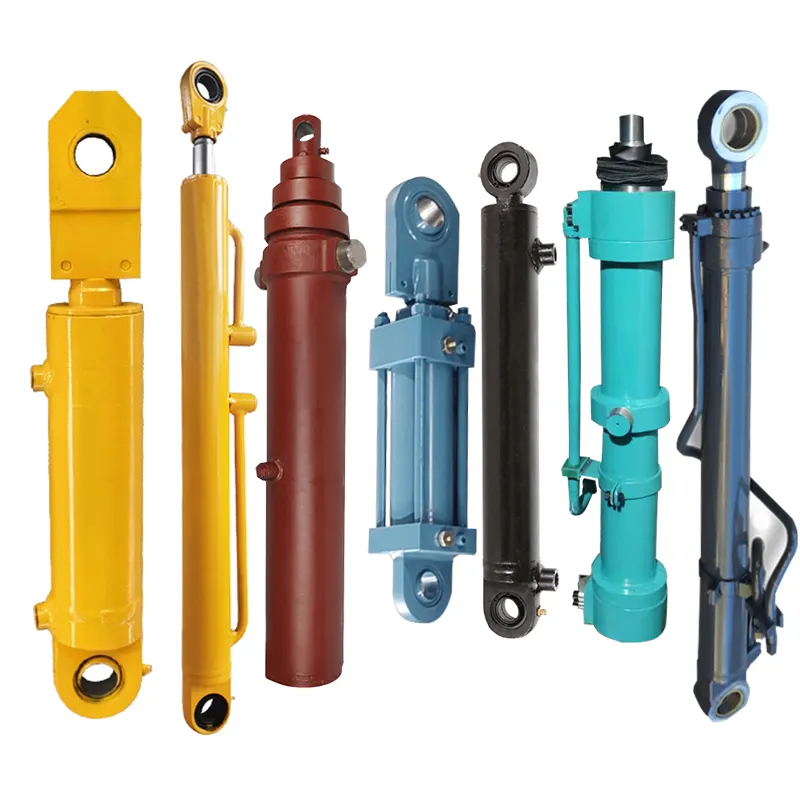
How does a lift cylinder handle variations in cylinder size and capacity?
A lift cylinder is designed to handle variations in cylinder size and capacity to accommodate different lifting requirements. Here’s an explanation of how lift cylinders handle these variations:
1. Size and Dimensions:
Lift cylinders come in various sizes and dimensions to suit different applications. The cylinder size refers to its overall dimensions, such as the diameter and length of the cylinder body. Lift cylinders can be manufactured in a range of sizes, allowing for flexibility in selecting the appropriate cylinder size based on the specific lifting needs. Larger cylinders are capable of generating greater lifting force, while smaller cylinders are more compact and suitable for applications with limited space.
2. Capacity and Load Rating:
The capacity of a lift cylinder refers to the maximum load it can lift safely. Lift cylinders are rated for specific load capacities, and it is important to select a cylinder with a suitable capacity for the intended lifting task. Lift cylinders with higher load ratings are designed to handle heavier loads, while cylinders with lower load ratings are suitable for lighter loads. The capacity of the lift cylinder is determined by factors such as its construction, materials, and structural integrity.
3. Hydraulic Pressure:
The hydraulic pressure applied to the lift cylinder affects its lifting capacity and force generation. By adjusting the hydraulic pressure within the system, operators can control the lifting capability of the cylinder. Higher hydraulic pressure results in increased lifting force, allowing the cylinder to handle larger loads. Conversely, lower hydraulic pressure reduces the lifting capacity of the cylinder, making it suitable for lighter loads. The hydraulic pressure can be regulated using control valves or pressure relief valves within the hydraulic system.
4. Application-specific Design:
Lift cylinders are designed to meet the requirements of specific applications. Manufacturers take into consideration factors such as load characteristics, operating conditions, and safety considerations when designing lift cylinders. This ensures that the cylinder size and capacity are matched to the demands of the application, allowing for efficient and safe lifting operations.
5. Customization Options:
In some cases, lift cylinders can be customized to fit specific size or capacity requirements. Manufacturers may offer customization options such as special sizes, load capacity modifications, or additional features to meet unique application needs. Customization allows for a tailored solution that optimizes the performance and efficiency of the lift cylinder in a particular setting.
In summary, lift cylinders handle variations in cylinder size and capacity by offering a range of sizes and load ratings. The hydraulic pressure can be adjusted to match the lifting requirements, and lift cylinders can be customized for specific applications. With their versatility and adaptability, lift cylinders provide efficient and reliable lifting capabilities across a wide range of industries and lifting tasks.
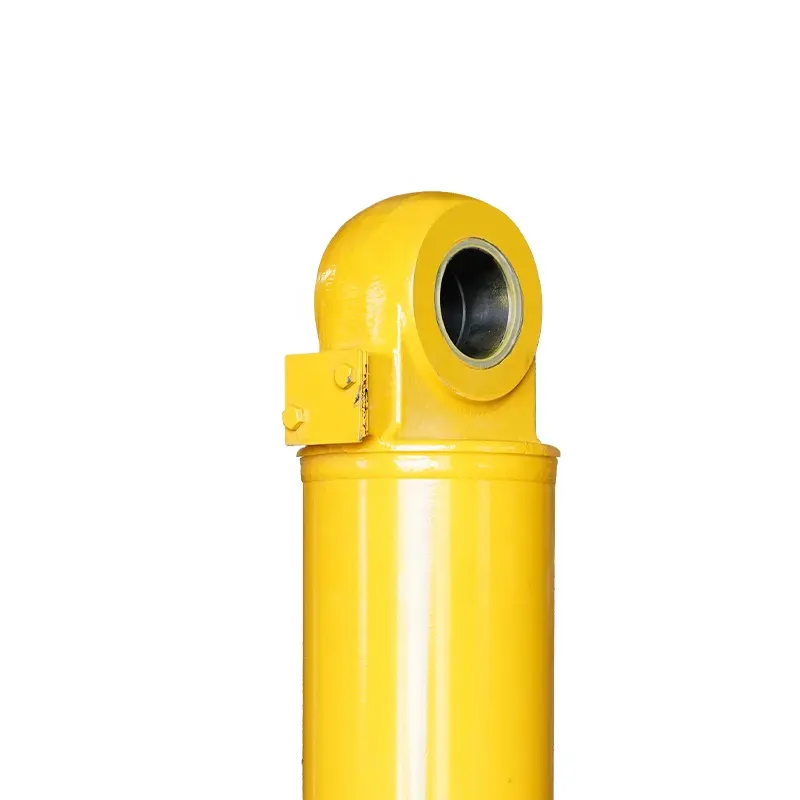
Can Lift Cylinders Be Used in Lifting and Lowering Platforms for Accessibility?
Yes, lift cylinders can be used in lifting and lowering platforms to provide accessibility for individuals with mobility challenges. These cylinders play a crucial role in the operation of accessibility platforms, such as wheelchair lifts, vertical platform lifts, or scissor lifts. Here’s a detailed explanation of how lift cylinders can be used in lifting and lowering platforms for accessibility:
- Lifting Mechanism:
- Smooth and Controlled Movement:
- Weight Capacity:
- Space Optimization:
- Reliability and Durability:
- Integration with Safety Features:
Lift cylinders serve as the primary lifting mechanism in accessibility platforms. These platforms are designed to raise or lower individuals, including wheelchair users, to different heights, allowing them to access elevated areas or overcome vertical barriers. Lift cylinders are typically integrated into the platform structure and connected to a hydraulic or pneumatic system. When activated, the cylinders extend or retract, lifting or lowering the platform in a controlled manner.
Lift cylinders ensure smooth and controlled movement of the accessibility platform during the lifting and lowering process. The cylinders are designed to provide precise and gradual motion, allowing for safe and comfortable vertical transportation. They can be equipped with features such as flow control valves or adjustable dampening to regulate the speed and prevent abrupt movements. Lift cylinders enable individuals to transition between different levels smoothly and securely.
Accessibility platforms need to support the weight of individuals using them, including wheelchair users and their mobility devices. Lift cylinders are manufactured with varying weight capacities to accommodate different load requirements. The cylinders are designed to withstand the vertical forces exerted on the platform and ensure stability and safety during operation. Lift cylinder specifications, such as bore size, rod diameter, and material strength, are carefully selected to match the intended weight capacity of the accessibility platform.
Lift cylinders contribute to space optimization in accessibility platforms. These cylinders are compact and can be integrated within the platform structure, minimizing the need for additional space or external lifting mechanisms. The compact design of lift cylinders allows for efficient utilization of the available platform area, ensuring that the platform can be installed in various settings, including tight spaces or existing structures where space is limited.
Lift cylinders are engineered for reliability and durability to meet the demanding requirements of accessibility platforms. They are designed to withstand frequent usage, heavy loads, and harsh operating conditions. Lift cylinders undergo rigorous testing and quality control measures to ensure their performance and longevity. Manufacturers often provide warranties and maintenance guidelines to support the long-term reliability and safety of lift cylinders used in lifting and lowering platforms.
Accessibility platforms incorporate various safety features to protect users during vertical transportation. Lift cylinders can be integrated with these safety features to enhance the overall system. For example, pressure relief valves can be installed in the hydraulic system to prevent excessive force in case of a malfunction or overload. Additionally, safety sensors, emergency stop buttons, and interlocks can be connected to the lift cylinder system to provide additional layers of safety and control.
Lift cylinders are essential components in lifting and lowering platforms for accessibility. Their role in providing the lifting mechanism, ensuring smooth and controlled movement, accommodating weight capacity, optimizing space, and contributing to reliability and safety makes them a valuable choice for creating inclusive environments and improving accessibility for individuals with mobility challenges.
Can lift cylinders be repaired or replaced when damaged?
Yes, lift cylinders can be repaired or replaced when they are damaged. Here’s an explanation of the options for repairing or replacing lift cylinders:
1. Repair:
If a lift cylinder sustains damage, it is often possible to repair it. The extent of the damage and the specific components affected will determine the repair process. Common repairs may involve replacing seals, gaskets, or damaged hydraulic lines. In some cases, the cylinder may need to be disassembled, cleaned, and reassembled with new parts.
Repairing a lift cylinder typically requires expertise in hydraulic systems and cylinder repair. It is recommended to consult qualified professionals or authorized service centers to ensure proper diagnosis and repair procedures.
2. Replacement of Components:
If specific components within the lift cylinder are damaged or worn out, it may be possible to replace those components individually. This can include replacing the piston, rod, seals, or other internal parts. By replacing only the affected components, the cylinder can be restored to proper working condition without replacing the entire unit.
Replacement of components should be done with compatible parts that meet the manufacturer’s specifications. It may be necessary to consult the manufacturer’s documentation or seek guidance from authorized distributors or service centers to ensure proper component selection and installation.
3. Replacement of the Entire Cylinder:
In cases where the lift cylinder is severely damaged or if repairing or replacing individual components is not practical or cost-effective, it may be necessary to replace the entire cylinder. This involves removing the damaged cylinder and installing a new one that matches the specifications and requirements of the lifting equipment.
When replacing the entire cylinder, it is important to ensure compatibility with the equipment, including load capacity, mounting options, stroke length, and other specifications. The new cylinder should be selected based on the equipment’s requirements and the recommendations of the manufacturer or qualified experts.
4. Professional Assistance:
Repairing or replacing lift cylinders can be complex, especially when dealing with hydraulic systems and precise components. It is recommended to seek professional assistance from qualified technicians or authorized service centers. They have the knowledge, experience, and tools to properly diagnose, repair, or replace lift cylinders, ensuring the safety and optimal performance of the lifting equipment.
In summary, lift cylinders can be repaired or replaced when damaged. Repair options may involve replacing seals or damaged components, while component replacement allows for targeted repairs. In severe cases or when individual repairs are not feasible, the entire cylinder may need to be replaced. Professional assistance is recommended to ensure proper diagnosis, repair procedures, or component selection for the repair or replacement of lift cylinders.


editor by Dream 2024-11-26