
Product Description
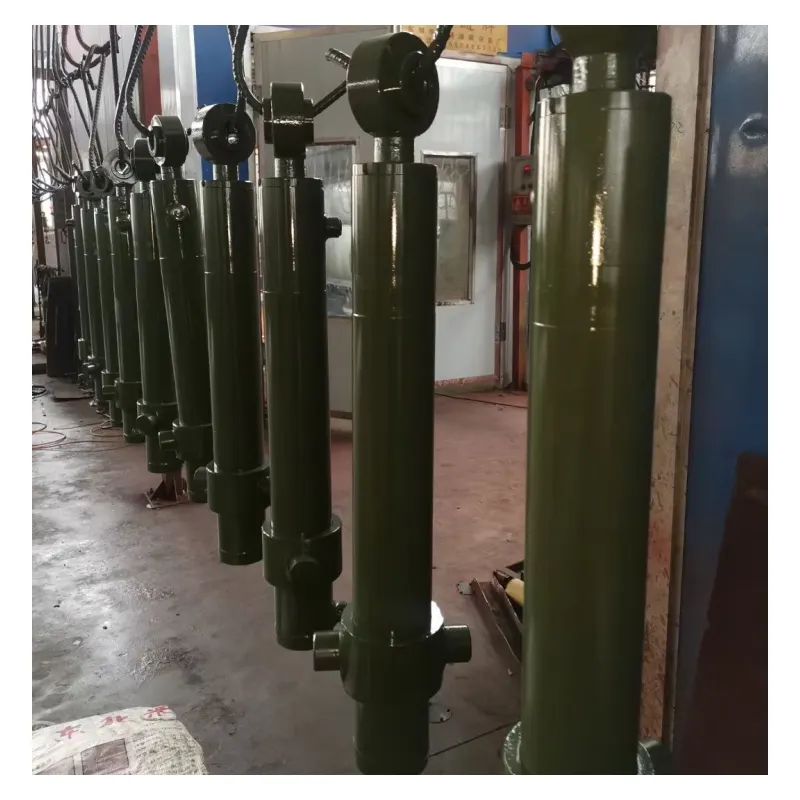
Detailed Photos
Product Parameters
| Hydraulic cylinder type | Stroke(mm) | Rated Pressure (MPa) |
H(mm) | b(mm) | c(mm) | φd(mm) |
| 3TG-E149*4280ZZ | 4280 | 20 | 343 | 340 | 245 | φ60 |
| 4TG-E149*4280ZZ | 4280 | 20 | 343 | 340 | 245 | φ60 |
| 4TG-E149*4650ZZ | 4650 | 20 | 343 | 340 | 245 | φ60 |
| 4TG-E149*5180ZZ | 5180 | 20 | 343 | 340 | 245 | φ60 |
| 5TG-E149*4280ZZ | 4280 | 20 | 343 | 340 | 245 | φ60 |
| 5TG-E149*4650ZZ | 4650 | 20 | 343 | 340 | 245 | φ60 |
| 5TG-E149*5180ZZ | 5180 | 20 | 343 | 340 | 245 | φ60 |
| 3TG-E157*4280ZZ | 4280 | 20 | 343 | 340 | 245 | φ60 |
| 4TG-E157*4280ZZ | 4280 | 20 | 343 | 340 | 245 | φ60 |
| 4TG-E157*4650ZZ | 4650 | 20 | 343 | 340 | 245 | φ60 |
| 4TG-E157*5180ZZ | 5180 | 20 | 343 | 340 | 245 | φ60 |
| 5TG-E157*4280ZZ | 4280 | 20 | 343 | 340 | 245 | φ60 |
| 5TG-E157*4650ZZ | 4650 | 20 | 343 | 340 | 245 | φ60 |
| 5TG-E157*5180ZZ | 5180 | 20 | 343 | 340 | 245 | φ60 |
| 6TG-E169*4280ZZ | 4280 | 20 | 343 | 340 | 245 | φ60/φ65 |
| 6TG-E169*4650ZZ | 4650 | 20 | 343 | 340 | 245 | φ60/φ65 |
| 6TG-E179*4280ZZ | 4280 | 20 | 343 | 340 | 245 | φ60/φ65 |
| 6TG-E179*4650ZZ | 4650 | 20 | 343 | 340 | 245 | φ60/φ65 |
Product Details
The CHINAMFG hydraulic cylinder adopts excellent sealing technology and new material applications, which can withstand the worstworking conditions and can adapt to the temperature range of
-40~110°C. It operates continuously and stably in high and low temperature environments, ensuring the safety of drivers and vehicles.
1. Adopts high-quality 27SiMn regulated steel pipe, with high tensile strength, high yield and strong bearing capacity.
2. Patented technology design and advanced production manufacturing are adopted to ensure the stability of product quality.
3. Imported oil seal is adopted, with good sealing performance.
4. Special design, light weight, fast lifting and lowering speed.
5. Surface is chromed to increase the surface hardness and prolong the service life.
Application
We have more hydraulic cylinders, you can initiate inquiries and contact us
Company Introduction
HangZhou CHINAMFG Machinery Co., Ltd. was established in 2002 and is located at the north end of the East Outer Ring Road in HangZhou City (1 kilometer south of thehighway toll station), with convenient transportation. The company is a profes-sional equipment production enterprise dedicated to the design, research and development, and manufacturing of hydraulic machinery products. Leading vari-ous specialized vehicle hydraulic cylinder assemblies and hydraulic system prod-ucts.
The company covers an area of over 100 acres. We have a total of 150 sets of deep hole boring equipment, cold drawing production lines, testing equipment, various CNC machining machines, cylindrical grinding machines, centerless grind-ing machines, welding production lines, etc. The company passed the IS09001d quality system certification in 2003; In 2013, it passed ISO/TSI6949 international quality system certification and was awarded the title of China’s Quality Integrity AAA Class Brand Enterprise.
Other products
Packaging & Shipping
After sending, we will track the products for you once every 2 days, until you get the products. When you got the goods, test them, and give me a feedback. If you have any questions about the problem, contact with us, we will offer the solve way for you.
FAQ
Q1: How is the quality?
We adopt patented technology structure design and advanced production process, and have passed the IATF16949:2016 quality control system and ISO9001 to ensure stable product quality.
Q2: What are the advantages of your oil cylinder?
The oil cylinder is manufactured using advanced equipment and processed through strict quality control. The steel has undergone tempering treatment, and all raw mate-
rials are from world-renowned companies with superior quality.
Competitive prices!
Q3: When was your company established?
Our company was established in 2002, specializing in the production of hydraulic cyl-
inders for over 20 years.
Q4: What is the delivery time?
About 30 days.
Q5: What is the quality assurance of hydraulic cylinders?
One year.
To get price list of promotion hydro cylinder, please contact us
/* October 22, 2571 15:47:17 */(()=>{function d(e,r){var a,o={};try{e&&e.split(“,”).forEach(function(e,t){e&&(a=e.match(/(.*?):(.*)$/))&&1
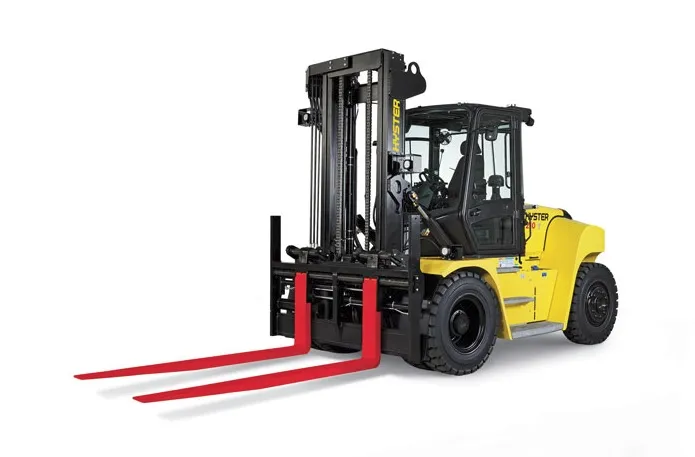
Can hydraulic cylinders be used in rough terrain forklifts?
Yes, hydraulic cylinders can be used in rough terrain forklifts. Hydraulic systems, including hydraulic cylinders, are an essential component of rough terrain forklifts and play a crucial role in their operation. Here’s an explanation of their use:
Rough terrain forklifts are specifically designed to operate in challenging outdoor environments, such as construction sites, lumber yards, and agricultural settings. These forklifts are equipped with features that allow them to navigate uneven terrain, slopes, and other rough surfaces. Hydraulic cylinders are integral to their performance in the following ways:
1. Lifting Functionality:
The hydraulic cylinder in a rough terrain forklift is responsible for lifting and lowering the load-carrying forks. It provides the necessary force to elevate heavy loads to the desired height. The hydraulic system allows precise control over the lifting speed and positioning, enabling efficient material handling even on rough and uneven surfaces.
2. Suspension System:
Rough terrain forklifts are equipped with a suspension system that helps absorb shocks and vibrations during operation. Hydraulic cylinders are often used as part of the suspension system to provide damping and improve ride comfort. These cylinders help cushion the impact of uneven terrain, reducing the transfer of vibrations to the forklift and the load being carried.
3. Stability and Balance:
Hydraulic cylinders contribute to the stability and balance of rough terrain forklifts. They are used to control the extension and retraction of the mast assembly, which supports the forks and the load. By adjusting the mast height and angle, the cylinders help maintain stability and balance, especially when operating on slopes or uneven ground.
4. Steering and Maneuverability:
Some rough terrain forklifts utilize hydraulic cylinders in their steering mechanisms. These cylinders assist in turning and maneuvering the forklift, allowing it to navigate through tight spaces and negotiate obstacles on rough terrain. The hydraulic system provides the necessary power and control for smooth and precise steering operations.
Overall, hydraulic cylinders are essential components of rough terrain forklifts. They enable the lifting functionality, contribute to the suspension system for improved ride comfort, help maintain stability and balance, and assist in steering and maneuverability. By utilizing hydraulic power, these forklifts can effectively handle the challenges of rough outdoor environments and ensure efficient material handling operations.
In summary, hydraulic cylinders are indeed used in rough terrain forklifts. Their presence in these forklifts enables reliable lifting, enhances stability and balance, improves ride comfort through suspension systems, and assists in steering and maneuverability on uneven surfaces. The use of hydraulic technology is instrumental in achieving optimal performance and productivity in rough terrain applications.
How does a forklift hydraulic cylinder handle variations in seal technology?
A forklift hydraulic cylinder is designed to handle variations in seal technology to ensure effective sealing and reliable performance. Here’s an explanation of how it achieves this:
The hydraulic cylinder’s ability to accommodate different seal technologies is essential for maintaining hydraulic fluid integrity and preventing leakage. The cylinder handles variations in seal technology through the following mechanisms:
1. Seal Compatibility:
Forklift hydraulic cylinders are designed to be compatible with various types of seal technologies. Different seal materials and designs are available, such as O-rings, lip seals, and composite seals. The cylinder is manufactured with precise dimensions and tolerances to accommodate the specific seal technology being used. This compatibility ensures a proper fit and seal, regardless of the seal technology employed.
2. Material Selection:
The choice of cylinder material is also crucial in handling variations in seal technology. Different seal materials have varying compatibility with specific cylinder materials. Forklift hydraulic cylinders are typically constructed using materials such as steel or aluminum alloys, which offer excellent compatibility with a wide range of seal technologies. The cylinder material is selected to work harmoniously with different seal materials, ensuring reliable sealing performance.
3. Seal Design and Construction:
The design and construction of seals in the hydraulic cylinder are optimized to accommodate variations in seal technology. Seal manufacturers develop seals with specific features and characteristics tailored to different applications. These features may include improved sealing lip geometry, advanced materials with enhanced wear resistance, and specialized sealing mechanisms. The cylinder is designed to accommodate these variations, providing the necessary space and support for the specific seal technology being utilized.
4. Testing and Quality Control:
Hydraulic cylinders undergo rigorous testing and quality control processes to ensure seal compatibility and performance. During manufacturing, seals are inspected for proper fit, dimensions, and sealing integrity. The hydraulic system is also subjected to pressure and leakage tests to verify the effectiveness of the seals and overall system performance. These testing and quality control measures help identify any issues related to seal technology and allow for necessary adjustments or improvements.
In summary, a forklift hydraulic cylinder handles variations in seal technology through seal compatibility, appropriate material selection, seal design and construction, and rigorous testing and quality control. These measures ensure that the cylinder can effectively accommodate different seal technologies, providing reliable sealing performance and preventing hydraulic fluid leakage.
What are the components of a forklift hydraulic cylinder?
A forklift hydraulic cylinder consists of several components that work together to generate the necessary force for lifting loads. Here’s a breakdown of the key components:
1. Cylinder Barrel:
The cylinder barrel is a cylindrical tube that provides the housing for the other components of the hydraulic cylinder. It is typically made of high-strength steel or other durable materials to withstand the hydraulic forces.
2. Piston:
The piston is a cylindrical component that fits inside the cylinder barrel. It divides the cylinder into two chambers and is responsible for transferring the hydraulic force. The piston is sealed against the cylinder barrel to prevent fluid leakage between the chambers.
3. Piston Rod:
The piston rod extends from the piston and protrudes out of the cylinder barrel. It is connected to the load-bearing structure of the forklift, such as the mast assembly. The piston rod transmits the force generated by the hydraulic fluid to lift and lower the loads.
4. Seals:
Seals are essential components that prevent hydraulic fluid leakage and maintain the pressure within the cylinder. They are typically made of rubber or other elastomeric materials and are positioned at various points of the cylinder, such as around the piston and piston rod.
5. Inlet and Outlet Ports:
The hydraulic cylinder has inlet and outlet ports that allow the hydraulic fluid to enter and exit the cylinder. The inlet port is connected to the hydraulic system’s control valves and hoses, delivering pressurized fluid into the cylinder. The outlet port allows the fluid to flow out of the cylinder when the load is being lowered.
6. Mounting and Connection Components:
To integrate the hydraulic cylinder into the forklift’s hydraulic system, various mounting and connection components are used. These can include brackets, pins, clevises, and other fittings that secure and connect the cylinder to the forklift’s structure.
Each of these components plays a crucial role in the operation of the forklift hydraulic cylinder. The cylinder barrel provides the housing, the piston and piston rod generate the force, seals prevent fluid leakage, and the inlet and outlet ports facilitate the flow of hydraulic fluid. The mounting and connection components ensure proper integration into the forklift.
In summary, the components of a forklift hydraulic cylinder include the cylinder barrel, piston, piston rod, seals, inlet and outlet ports, and various mounting and connection components. Together, these components enable the hydraulic cylinder to generate the force necessary for lifting and lowering loads in a forklift.


editor by Dream 2024-11-26