
Product Description
Detailed Photos
Product Parameters
| Hydraulic cylinder type | Stroke(mm) | Rated Pressure (MPa) |
H(mm) | b(mm) | c(mm) | φd(mm) |
| 3TG-E149*4280ZZ | 4280 | 20 | 343 | 340 | 245 | φ60 |
| 4TG-E149*4280ZZ | 4280 | 20 | 343 | 340 | 245 | φ60 |
| 4TG-E149*4650ZZ | 4650 | 20 | 343 | 340 | 245 | φ60 |
| 4TG-E149*5180ZZ | 5180 | 20 | 343 | 340 | 245 | φ60 |
| 5TG-E149*4280ZZ | 4280 | 20 | 343 | 340 | 245 | φ60 |
| 5TG-E149*4650ZZ | 4650 | 20 | 343 | 340 | 245 | φ60 |
| 5TG-E149*5180ZZ | 5180 | 20 | 343 | 340 | 245 | φ60 |
| 3TG-E157*4280ZZ | 4280 | 20 | 343 | 340 | 245 | φ60 |
| 4TG-E157*4280ZZ | 4280 | 20 | 343 | 340 | 245 | φ60 |
| 4TG-E157*4650ZZ | 4650 | 20 | 343 | 340 | 245 | φ60 |
| 4TG-E157*5180ZZ | 5180 | 20 | 343 | 340 | 245 | φ60 |
| 5TG-E157*4280ZZ | 4280 | 20 | 343 | 340 | 245 | φ60 |
| 5TG-E157*4650ZZ | 4650 | 20 | 343 | 340 | 245 | φ60 |
| 5TG-E157*5180ZZ | 5180 | 20 | 343 | 340 | 245 | φ60 |
| 6TG-E169*4280ZZ | 4280 | 20 | 343 | 340 | 245 | φ60/φ65 |
| 6TG-E169*4650ZZ | 4650 | 20 | 343 | 340 | 245 | φ60/φ65 |
| 6TG-E179*4280ZZ | 4280 | 20 | 343 | 340 | 245 | φ60/φ65 |
| 6TG-E179*4650ZZ | 4650 | 20 | 343 | 340 | 245 | φ60/φ65 |
Product Details
The CHINAMFG hydraulic cylinder adopts excellent sealing technology and new material applications, which can withstand the worstworking conditions and can adapt to the temperature range of
-40~110°C. It operates continuously and stably in high and low temperature environments, ensuring the safety of drivers and vehicles.
1. Adopts high-quality 27SiMn regulated steel pipe, with high tensile strength, high yield and strong bearing capacity.
2. Patented technology design and advanced production manufacturing are adopted to ensure the stability of product quality.
3. Imported oil seal is adopted, with good sealing performance.
4. Special design, light weight, fast lifting and lowering speed.
5. Surface is chromed to increase the surface hardness and prolong the service life.
Application
We have more hydraulic cylinders, you can initiate inquiries and contact us
Company Introduction
HangZhou CHINAMFG Machinery Co., Ltd. was established in 2002 and is located at the north end of the East Outer Ring Road in HangZhou City (1 kilometer south of thehighway toll station), with convenient transportation. The company is a profes-sional equipment production enterprise dedicated to the design, research and development, and manufacturing of hydraulic machinery products. Leading vari-ous specialized vehicle hydraulic cylinder assemblies and hydraulic system prod-ucts.
The company covers an area of over 100 acres. We have a total of 150 sets of deep hole boring equipment, cold drawing production lines, testing equipment, various CNC machining machines, cylindrical grinding machines, centerless grind-ing machines, welding production lines, etc. The company passed the IS09001d quality system certification in 2003; In 2013, it passed ISO/TSI6949 international quality system certification and was awarded the title of China’s Quality Integrity AAA Class Brand Enterprise.
Other products
Packaging & Shipping
After sending, we will track the products for you once every 2 days, until you get the products. When you got the goods, test them, and give me a feedback. If you have any questions about the problem, contact with us, we will offer the solve way for you.
FAQ
Q1: How is the quality?
We adopt patented technology structure design and advanced production process, and have passed the IATF16949:2016 quality control system and ISO9001 to ensure stable product quality.
Q2: What are the advantages of your oil cylinder?
The oil cylinder is manufactured using advanced equipment and processed through strict quality control. The steel has undergone tempering treatment, and all raw mate-
rials are from world-renowned companies with superior quality.
Competitive prices!
Q3: When was your company established?
Our company was established in 2002, specializing in the production of hydraulic cyl-
inders for over 20 years.
Q4: What is the delivery time?
About 30 days.
Q5: What is the quality assurance of hydraulic cylinders?
One year.
To get price list of promotion hydro cylinder, please contact us
/* October 22, 2571 15:47:17 */(()=>{function d(e,r){var a,o={};try{e&&e.split(“,”).forEach(function(e,t){e&&(a=e.match(/(.*?):(.*)$/))&&1
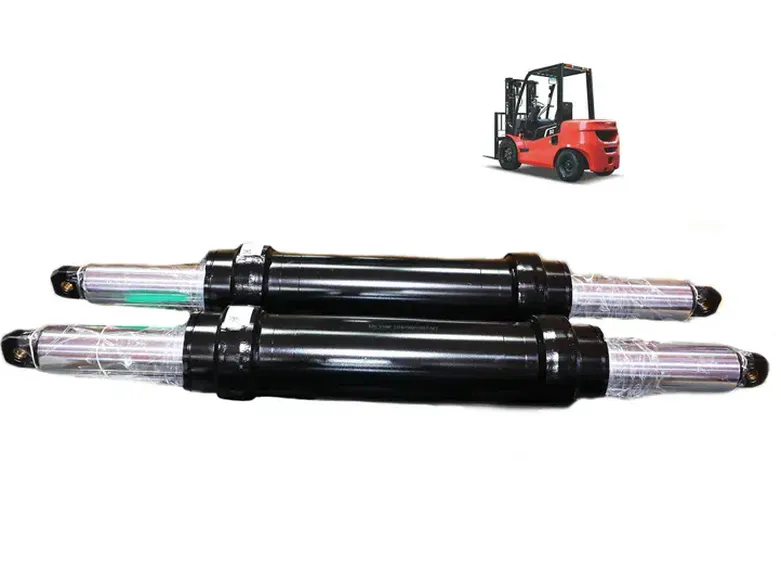
How does a forklift hydraulic cylinder contribute to energy-efficient lifting?
A forklift hydraulic cylinder plays a significant role in facilitating energy-efficient lifting operations. Here’s an explanation of how it contributes to energy efficiency:
1. Power Transfer:
The hydraulic cylinder efficiently transfers power from the hydraulic system to the load-bearing structure of the forklift. By converting hydraulic pressure into linear force, it allows the forklift to lift heavy loads with minimal energy expenditure.
2. Load Balancing:
Hydraulic cylinders can be designed to provide load balancing capabilities, ensuring that the lifting force is evenly distributed across multiple cylinders. This feature allows for stable and efficient lifting, as each cylinder shares the load, reducing the strain on individual components and optimizing energy usage.
3. Controlled Fluid Flow:
The hydraulic system of a forklift, including the hydraulic cylinder, operates based on precise control of fluid flow. By regulating the flow rate and direction of the hydraulic fluid, the operator can control the speed and force of the cylinder’s extension and retraction. This level of control minimizes energy waste by avoiding sudden or excessive movements.
4. Regenerative Systems:
In some advanced forklift designs, regenerative systems can be incorporated into the hydraulic circuit. These systems capture and reuse energy that would otherwise be dissipated as heat during the lowering of loads. The regenerated energy can be stored and used to power other components of the forklift, contributing to overall energy efficiency.
5. Proper Maintenance:
Maintaining the hydraulic cylinder in good working condition is crucial for energy-efficient lifting. Regular inspection, cleaning, and lubrication of the cylinder and its seals help reduce friction and prevent fluid leakage. Well-maintained cylinders operate with improved efficiency and minimize energy losses.
By employing these energy-saving techniques, a forklift hydraulic cylinder enhances the overall energy efficiency of the lifting process. It enables controlled power transfer, load balancing, regulated fluid flow, and, in some cases, the utilization of regenerative systems. Proper maintenance further ensures optimal performance and energy conservation.
In summary, a forklift hydraulic cylinder contributes to energy-efficient lifting by efficiently transferring power, providing load balancing capabilities, enabling controlled fluid flow, and potentially incorporating regenerative systems. Its proper maintenance enhances energy conservation and overall lifting efficiency.
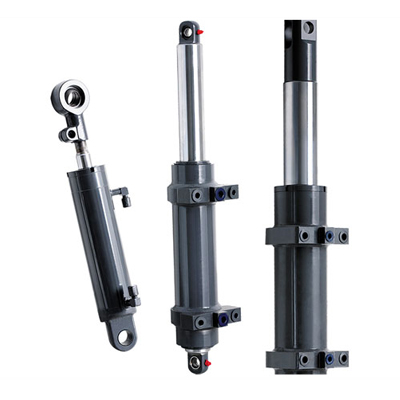
Can hydraulic cylinders be used in multi-directional forklifts?
Yes, hydraulic cylinders can be used in multi-directional forklifts. Multi-directional forklifts, also known as multidirectional reach trucks or side loaders, are specialized forklifts designed to maneuver and transport loads in multiple directions, including sideways. Hydraulic cylinders play a crucial role in the operation of these unique forklifts. Here’s an explanation of how hydraulic cylinders are used in multi-directional forklifts:
Hydraulic cylinders are utilized in multi-directional forklifts in the following ways:
1. Mast Movement:
Similar to conventional forklifts, hydraulic cylinders are used to control the vertical movement of the mast in multi-directional forklifts. The mast can be raised or lowered using hydraulic power, allowing the forklift to reach different heights for loading and unloading operations.
2. Fork Movement:
In addition to vertical movement, hydraulic cylinders are responsible for controlling the horizontal movement of the forks in multi-directional forklifts. These cylinders enable the forks to extend or retract, allowing for the adjustment of the fork width to accommodate various load sizes.
3. Side Shifting:
Hydraulic cylinders are used for side shifting functions in multi-directional forklifts. Side shifting allows the entire mast and forks assembly to move laterally, enabling the forklift to position the load precisely without having to reposition the entire vehicle. This feature is particularly useful in narrow aisles or tight spaces.
4. Rotational Movement:
Multi-directional forklifts are designed to rotate the entire mast and load-carrying assembly to allow for sideways movement. Hydraulic cylinders are employed to enable the rotational movement of the mast, allowing the forklift to transport loads in different directions, including perpendicular to the traditional forward and reverse movements.
5. Control and Stability:
Hydraulic cylinders provide the necessary control and stability for multi-directional forklifts. The operator can use hydraulic controls to adjust the movement of the mast, forks, and side-shift functions. The hydraulic system ensures smooth and precise operation, enhancing the forklift’s maneuverability and load-handling capabilities.
In summary, hydraulic cylinders are essential components of multi-directional forklifts, enabling mast and fork movement, side shifting, rotational movement, and providing control and stability. These cylinders allow the forklifts to maneuver efficiently in various directions, making them well-suited for applications that require versatile movement and precise load positioning.
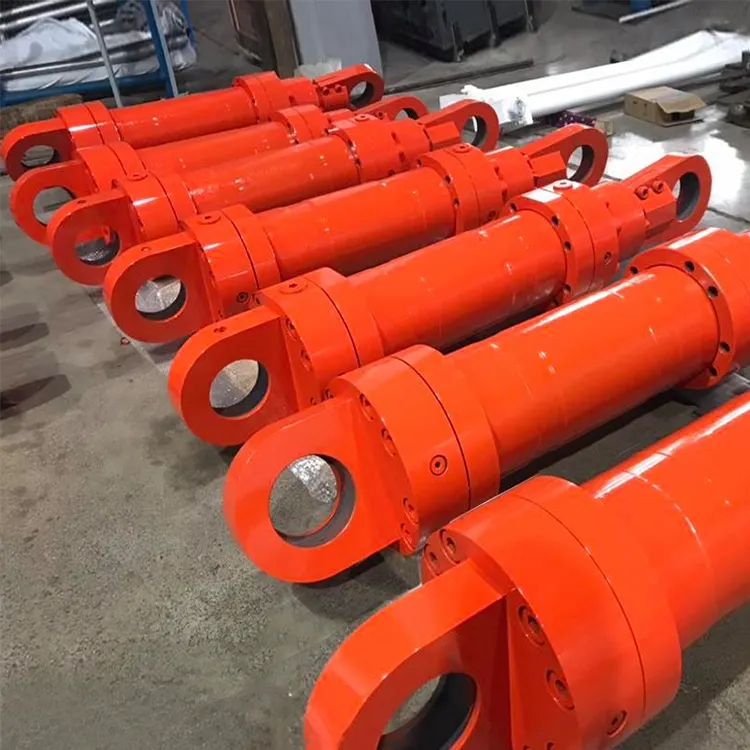
What are the Safety Considerations When Using Forklifts with Hydraulic Cylinders?
When using forklifts with hydraulic cylinders, it is essential to prioritize safety to prevent accidents, injuries, and property damage. Hydraulic systems and cylinders are integral components of forklifts, and understanding and implementing safety considerations is crucial. Here are important safety considerations to keep in mind:
- Operator Training and Certification:
- Regular Inspections and Maintenance:
- Load Capacity and Stability:
- Proper Load Positioning and Handling:
- Avoiding Overextension and Collisions:
- Proper Use of Controls:
- Clear Communication and Awareness:
- Emergency Procedures:
Operators must receive thorough training and certification specific to forklift operations. Proper training should cover the safe operation of hydraulic systems and cylinders, including understanding the controls, load capacity, stability, and safe maneuvering techniques. Well-trained operators are more likely to handle hydraulic cylinders safely and minimize the risk of accidents or misuse.
Forklifts and their hydraulic systems, including cylinders, should undergo regular inspections and maintenance to ensure they are in proper working condition. Inspections should identify any signs of wear, leaks, or damage, and maintenance tasks such as lubrication and component replacements should be performed as recommended by the manufacturer. Well-maintained hydraulic cylinders contribute to safe and reliable forklift operations.
Understanding and adhering to the forklift’s load capacity limitations is crucial for safe operation. Overloading a forklift can lead to instability and potential tip-overs. Operators should be aware of the load capacity rating and ensure that loads are properly balanced and secured. Maintaining the forklift’s stability, especially when using the hydraulic cylinder to lift or lower loads, is essential to prevent accidents caused by tipping or loss of control.
Safe load positioning and handling contribute to overall forklift safety. Operators should ensure that loads are positioned correctly on the forks, centered and secure, to prevent them from shifting or falling during transport. When using the hydraulic cylinder to raise or lower loads, operators should do so gradually and avoid sudden movements that may destabilize the forklift or cause the load to swing uncontrollably.
Overextending the hydraulic cylinder beyond its recommended limits can lead to failure or instability. Operators should be aware of the maximum extension and retraction limits of the cylinder and avoid exceeding them. Additionally, operators must exercise caution to prevent collisions with objects or structures, as impacts can damage the hydraulic cylinder, compromise its integrity, and pose safety risks.
Operators should be familiar with the forklift’s hydraulic control system and use the controls properly. This includes understanding the functions of each control, such as raising, lowering, tilting, or extending the forks, and using them with precision and care. Mishandling the hydraulic controls can result in sudden movements or unintended actions, potentially causing accidents or injuries.
Clear communication and situational awareness are essential for safe forklift operations. Operators should maintain clear visibility, use mirrors or cameras if available, and be aware of their surroundings to avoid collisions with pedestrians, other vehicles, or obstacles. Effective communication with co-workers and signaling to indicate forklift movements can help prevent accidents and ensure a safe working environment.
Operators should be familiar with emergency procedures and know how to respond in case of malfunctions, leaks, or other emergencies involving the hydraulic cylinder. Proper training should cover emergency shutdown procedures, reporting protocols, and evacuation plans to ensure a timely and coordinated response that minimizes risks to personnel and property.
By prioritizing operator training, regular inspections, adherence to load capacity limits, proper load handling, cautious control usage, and clear communication, forklifts with hydraulic cylinders can be operated safely and efficiently. Implementing these safety considerations helps reduce the risk of accidents, protect personnel, and maintain a secure work environment.


editor by Dream 2024-11-27