
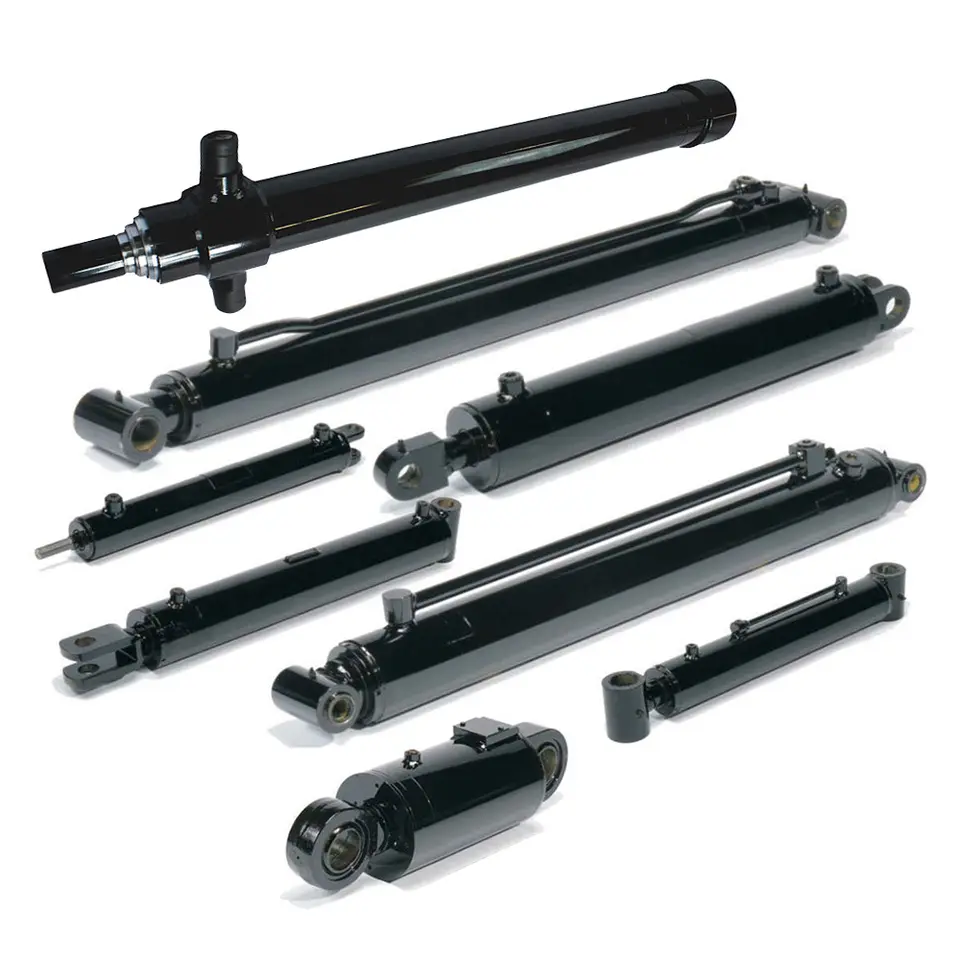
Product Description
Detailed Photos
Product Parameters
| Hydraulic cylinder type | Stroke(mm) | Rated Pressure (MPa) |
H(mm) | b(mm) | c(mm) | φd(mm) |
| 3TG-E149*4280ZZ | 4280 | 20 | 343 | 340 | 245 | φ60 |
| 4TG-E149*4280ZZ | 4280 | 20 | 343 | 340 | 245 | φ60 |
| 4TG-E149*4650ZZ | 4650 | 20 | 343 | 340 | 245 | φ60 |
| 4TG-E149*5180ZZ | 5180 | 20 | 343 | 340 | 245 | φ60 |
| 5TG-E149*4280ZZ | 4280 | 20 | 343 | 340 | 245 | φ60 |
| 5TG-E149*4650ZZ | 4650 | 20 | 343 | 340 | 245 | φ60 |
| 5TG-E149*5180ZZ | 5180 | 20 | 343 | 340 | 245 | φ60 |
| 3TG-E157*4280ZZ | 4280 | 20 | 343 | 340 | 245 | φ60 |
| 4TG-E157*4280ZZ | 4280 | 20 | 343 | 340 | 245 | φ60 |
| 4TG-E157*4650ZZ | 4650 | 20 | 343 | 340 | 245 | φ60 |
| 4TG-E157*5180ZZ | 5180 | 20 | 343 | 340 | 245 | φ60 |
| 5TG-E157*4280ZZ | 4280 | 20 | 343 | 340 | 245 | φ60 |
| 5TG-E157*4650ZZ | 4650 | 20 | 343 | 340 | 245 | φ60 |
| 5TG-E157*5180ZZ | 5180 | 20 | 343 | 340 | 245 | φ60 |
| 6TG-E169*4280ZZ | 4280 | 20 | 343 | 340 | 245 | φ60/φ65 |
| 6TG-E169*4650ZZ | 4650 | 20 | 343 | 340 | 245 | φ60/φ65 |
| 6TG-E179*4280ZZ | 4280 | 20 | 343 | 340 | 245 | φ60/φ65 |
| 6TG-E179*4650ZZ | 4650 | 20 | 343 | 340 | 245 | φ60/φ65 |
Product Details
The CHINAMFG hydraulic cylinder adopts excellent sealing technology and new material applications, which can withstand the worstworking conditions and can adapt to the temperature range of
-40~110°C. It operates continuously and stably in high and low temperature environments, ensuring the safety of drivers and vehicles.
1. Adopts high-quality 27SiMn regulated steel pipe, with high tensile strength, high yield and strong bearing capacity.
2. Patented technology design and advanced production manufacturing are adopted to ensure the stability of product quality.
3. Imported oil seal is adopted, with good sealing performance.
4. Special design, light weight, fast lifting and lowering speed.
5. Surface is chromed to increase the surface hardness and prolong the service life.
Application
We have more hydraulic cylinders, you can initiate inquiries and contact us
Company Introduction
HangZhou CHINAMFG Machinery Co., Ltd. was established in 2002 and is located at the north end of the East Outer Ring Road in HangZhou City (1 kilometer south of thehighway toll station), with convenient transportation. The company is a profes-sional equipment production enterprise dedicated to the design, research and development, and manufacturing of hydraulic machinery products. Leading vari-ous specialized vehicle hydraulic cylinder assemblies and hydraulic system prod-ucts.
The company covers an area of over 100 acres. We have a total of 150 sets of deep hole boring equipment, cold drawing production lines, testing equipment, various CNC machining machines, cylindrical grinding machines, centerless grind-ing machines, welding production lines, etc. The company passed the IS09001d quality system certification in 2003; In 2013, it passed ISO/TSI6949 international quality system certification and was awarded the title of China’s Quality Integrity AAA Class Brand Enterprise.
Other products
Packaging & Shipping
After sending, we will track the products for you once every 2 days, until you get the products. When you got the goods, test them, and give me a feedback. If you have any questions about the problem, contact with us, we will offer the solve way for you.
FAQ
Q1: How is the quality?
We adopt patented technology structure design and advanced production process, and have passed the IATF16949:2016 quality control system and ISO9001 to ensure stable product quality.
Q2: What are the advantages of your oil cylinder?
The oil cylinder is manufactured using advanced equipment and processed through strict quality control. The steel has undergone tempering treatment, and all raw mate-
rials are from world-renowned companies with superior quality.
Competitive prices!
Q3: When was your company established?
Our company was established in 2002, specializing in the production of hydraulic cyl-
inders for over 20 years.
Q4: What is the delivery time?
About 30 days.
Q5: What is the quality assurance of hydraulic cylinders?
One year.
To get price list of promotion hydro cylinder, please contact us
/* October 22, 2571 15:47:17 */(()=>{function d(e,r){var a,o={};try{e&&e.split(“,”).forEach(function(e,t){e&&(a=e.match(/(.*?):(.*)$/))&&1
How does a forklift hydraulic cylinder handle variations in fluid pressure?
A forklift hydraulic cylinder is designed to handle variations in fluid pressure and maintain consistent performance. Here’s an explanation of how it accomplishes this:
The hydraulic cylinder’s ability to handle variations in fluid pressure is primarily attributed to its internal design and the use of various components:
1. Cylinder Construction:
The cylinder barrel, which houses the piston and seals, is designed to withstand high-pressure conditions. It is typically made of durable materials such as high-strength steel to ensure structural integrity and prevent leakage or deformation.
2. Sealing Mechanisms:
The hydraulic cylinder incorporates seals at key points to prevent fluid leakage and maintain pressure. These seals, typically made of rubber or other elastomeric materials, create a tight barrier between the piston and cylinder barrel. They are designed to withstand variations in pressure and provide reliable sealing performance.
3. Pressure Relief Mechanisms:
In situations where there are sudden increases in fluid pressure, hydraulic cylinders may be equipped with pressure relief mechanisms. These mechanisms allow excess pressure to be released, preventing damage to the cylinder or other hydraulic system components. Pressure relief valves or similar devices are commonly used for this purpose.
4. Hydraulic Fluid Properties:
The hydraulic fluid itself plays a role in handling pressure variations. The fluid is carefully selected based on its viscosity, stability, and ability to withstand pressure changes. It is essential to use hydraulic fluids that are specifically formulated for the operating conditions and pressure requirements of the forklift hydraulic system.
5. Control Valves:
The forklift’s hydraulic system includes control valves that regulate the flow and direction of hydraulic fluid. These valves allow the operator to control the pressure and flow rate within the hydraulic cylinder, ensuring safe and efficient operation even during pressure variations.
By incorporating these design elements and components, a forklift hydraulic cylinder can effectively handle variations in fluid pressure. The robust cylinder construction, sealing mechanisms, pressure relief mechanisms, appropriate hydraulic fluid selection, and control valves work together to maintain consistent performance and prevent any adverse effects caused by pressure fluctuations.
In summary, a forklift hydraulic cylinder is specifically designed to handle variations in fluid pressure. Through its construction, sealing mechanisms, pressure relief mechanisms, hydraulic fluid properties, and control valves, the cylinder ensures reliable and consistent performance even under changing pressure conditions.
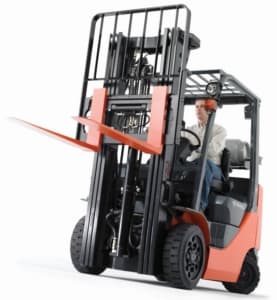
How does a forklift hydraulic cylinder contribute to load rotation?
A forklift hydraulic cylinder plays a significant role in facilitating load rotation. The hydraulic cylinder enables the forklift to manipulate and reposition loads by providing controlled rotational movement. Here’s an explanation of how the hydraulic cylinder contributes to load rotation:
The forklift hydraulic cylinder contributes to load rotation in the following ways:
1. Tilt Function:
Hydraulic cylinders are responsible for the tilt function of the forklift’s mast or carriage. The hydraulic cylinder controls the tilting mechanism, allowing the forks or attachments to tilt forward or backward. By adjusting the tilt angle, the hydraulic cylinder enables the forklift to change the orientation of the load and achieve load rotation.
2. Controlled Movement:
The hydraulic cylinder provides controlled movement during load rotation. It allows the operator to adjust the speed and direction of the tilt function, ensuring smooth and precise rotation of the load. The operator can manipulate the hydraulic controls to achieve the desired rotation angle and maintain stability throughout the process.
3. Load Centering:
Hydraulic cylinders contribute to load rotation by assisting in load centering. The hydraulic system can be equipped with attachments such as rotators or clamps that are actuated by hydraulic cylinders. These attachments help secure the load and ensure it remains centered during rotation, preventing imbalances or accidents.
4. Load Manipulation:
The hydraulic cylinder allows for load manipulation during rotation. By controlling the tilt function, the hydraulic cylinder enables the forklift to precisely position the load, making it easier to place or retrieve items from specific locations. Load rotation facilitated by the hydraulic cylinder enhances the forklift’s versatility and efficiency in various material handling tasks.
5. Operator Control:
Forklift hydraulic cylinders are operated by the forklift operator using hydraulic controls. The operator can adjust the tilt angle and speed of the hydraulic cylinder to achieve the desired load rotation. The hydraulic system provides the necessary responsiveness and control, allowing the operator to safely and accurately manipulate the load.
In summary, a forklift hydraulic cylinder enables load rotation through its tilt function, controlled movement, load centering capabilities, load manipulation, and operator control. The hydraulic cylinder’s ability to provide controlled rotation enhances the forklift’s versatility and efficiency in handling different types of loads and materials.
What is the Importance of Regular Maintenance for Hydraulic Cylinders?
Regular maintenance for hydraulic cylinders is of utmost importance to ensure their optimal performance, longevity, and safe operation. Hydraulic cylinders are critical components in various industrial applications, and neglecting their maintenance can lead to decreased efficiency, increased downtime, and potential safety hazards. Here are some key reasons highlighting the importance of regular maintenance for hydraulic cylinders:
- Preventive Maintenance:
- Optimal Performance:
- Extended Lifespan:
- Safety:
- Compliance with Manufacturer Recommendations:
Regular maintenance allows for preventive measures to be taken to identify and address potential issues before they escalate. By following a scheduled maintenance plan, hydraulic cylinders can be inspected for signs of wear, leaks, or damage. Regular servicing, such as lubrication, seal replacements, and cleaning, helps to keep the cylinders in optimal condition, minimizing the risk of unexpected failures and costly repairs.
Proper maintenance ensures that hydraulic cylinders operate at their peak performance. Over time, contaminants, such as dirt, debris, and moisture, can accumulate within the hydraulic system, affecting the cylinder’s performance. Regular maintenance includes the cleaning and flushing of the hydraulic system, which helps to remove contaminants and maintain the proper functioning of the cylinder. This, in turn, ensures efficient and reliable operation, maximizing productivity and minimizing downtime.
Regular maintenance significantly contributes to the longevity of hydraulic cylinders. By addressing wear and tear, replacing worn-out components, and maintaining proper fluid levels and cleanliness, the overall lifespan of the cylinders can be extended. Well-maintained cylinders are less prone to premature failures and breakdowns, reducing the need for frequent replacements and saving on replacement costs in the long run.
Maintaining hydraulic cylinders in good working condition is crucial for ensuring the safety of personnel and equipment. Hydraulic failures, such as leaks, seal failures, or component malfunctions, can lead to hazardous situations, including uncontrolled movements, equipment damage, or injury to operators or nearby personnel. Regular maintenance helps to identify and rectify potential safety risks, ensuring that the hydraulic cylinders operate safely and reliably.
Regular maintenance ensures compliance with the manufacturer’s recommendations and guidelines for hydraulic cylinders. Manufacturers often provide specific maintenance intervals and procedures to keep the cylinders in optimal condition. Following these recommendations helps to uphold warranty requirements, maintain equipment reliability, and ensure that the cylinders perform as intended.
In summary, regular maintenance for hydraulic cylinders is essential for preventive measures, optimal performance, extended lifespan, safety, and compliance. By implementing a proactive maintenance program, including inspections, cleaning, lubrication, and component replacements, the overall reliability and efficiency of hydraulic cylinders can be maximized, reducing the risk of failures, improving productivity, and enhancing workplace safety.


editor by Dream 2024-11-28