
Product Description
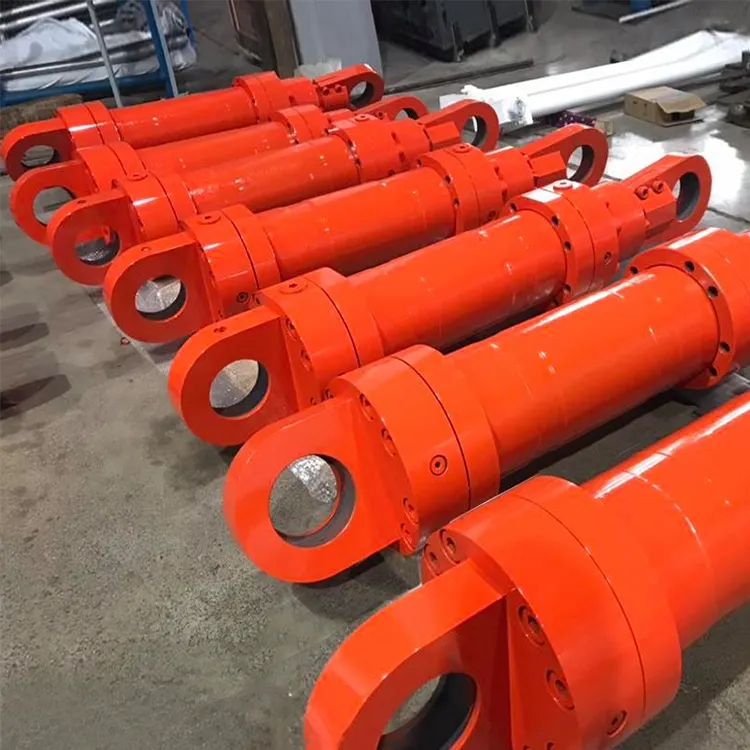
| Hydraulic cylinder | Manufacturers can customize all specifications |
| structure | Composed of cylinder barrel and cylinder head, piston and piston rod, sealing device, buffer device and exhaust device |
| use to | Dump truck, garbage removal truck, hydraulic roof car accessories |
/* January 22, 2571 19:08:37 */!function(){function s(e,r){var a,o={};try{e&&e.split(“,”).forEach(function(e,t){e&&(a=e.match(/(.*?):(.*)$/))&&1
| Structure: | Series Cylinder |
|---|---|
| Weight (Kg): | 100 |
| Condition: | New |
| Standard or Nonstandard: | Standard |
| Warranty: | 3 Months |
| Color: | Red.Black.Green.etc |
| Customization: |
Available
|
|
|---|
How does a forklift hydraulic cylinder handle variations in cylinder size?
A forklift hydraulic cylinder is designed to handle variations in cylinder size and accommodate different lifting capacities. Here’s an explanation of how it achieves this:
The hydraulic cylinder’s ability to handle variations in cylinder size is primarily dependent on its design and the following factors:
1. Piston Diameter:
The piston diameter of the hydraulic cylinder determines the lifting force it can generate. Forklift hydraulic cylinders are designed with different piston diameters to accommodate various load capacities. Larger piston diameters provide higher lifting capacities, while smaller diameters are suitable for lighter loads. The cylinder is designed and manufactured to match the required lifting capacity based on the forklift’s specifications.
2. Cylinder Construction:
The hydraulic cylinder is constructed to withstand the forces exerted during lifting operations. The materials used in its construction, such as high-strength steel, are selected based on the anticipated load capacities. The cylinder’s structural integrity ensures that it can handle the stress and pressure exerted during lifting, regardless of the cylinder size.
3. Hydraulic System Pressure:
The hydraulic system pressure plays a crucial role in determining the lifting capacity of the cylinder. By increasing or decreasing the pressure of the hydraulic fluid, the lifting force generated by the cylinder can be adjusted. The forklift’s hydraulic system is designed to provide sufficient pressure to match the lifting requirements of different cylinder sizes.
4. Control Valves and Flow:
The forklift’s hydraulic system incorporates control valves that regulate the flow of hydraulic fluid to the cylinder. These valves allow the operator to control the speed and force of the cylinder’s extension and retraction. By adjusting the flow rate, the lifting capacity can be tailored to suit the specific cylinder size and the load being lifted.
5. Sealing Mechanisms:
The hydraulic cylinder incorporates seals to prevent fluid leakage and maintain pressure. These seals, designed to accommodate different cylinder sizes, ensure a proper seal between the piston and cylinder barrel. They are selected based on the specific requirements of the cylinder size to maintain optimal performance and prevent leakage.
In summary, a forklift hydraulic cylinder handles variations in cylinder size by incorporating design elements such as piston diameter, appropriate construction materials, hydraulic system pressure, control valves, and sealing mechanisms. These factors work together to ensure that the cylinder can generate the required lifting force and withstand the forces exerted during lifting operations, regardless of the cylinder size.
Can hydraulic cylinders be used in cold storage forklifts?
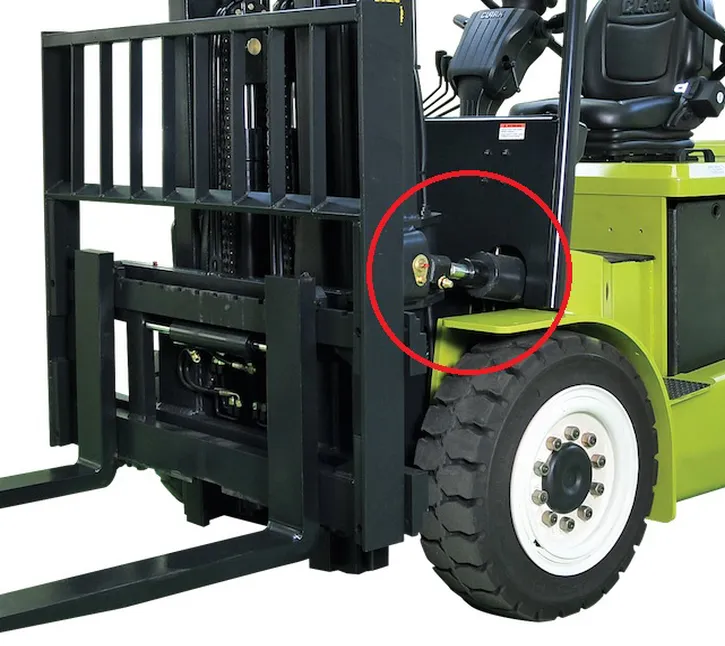
Yes, hydraulic cylinders can be used in cold storage forklifts. Cold storage forklifts, also known as freezer forklifts or refrigerated forklifts, are specifically designed to operate in cold environments such as cold storage warehouses or freezer rooms. Hydraulic cylinders play an essential role in the functionality of these specialized forklifts. Here’s an explanation of how hydraulic cylinders are used in cold storage forklifts:
Hydraulic cylinders are utilized in cold storage forklifts in the following ways:
1. Mast Lifting:
Similar to standard forklifts, hydraulic cylinders are used to lift and lower the mast in cold storage forklifts. The mast is the vertical assembly that houses the lifting mechanism and forks. Hydraulic cylinders provide the power and control for vertical movement, allowing the forklift to lift and lower loads in cold storage environments.
2. Reach and Extend:
Cold storage forklifts may have telescopic masts or extendable booms to reach and handle loads in high storage racks. Hydraulic cylinders are responsible for extending and retracting the telescopic sections of the mast or boom. This feature enables the forklift to reach and handle pallets or goods located at varying heights in cold storage areas.
3. Load Manipulation:
Hydraulic cylinders contribute to load manipulation in cold storage forklifts. These cylinders are used to control attachments such as side shifters, fork positioners, or clamp mechanisms. By utilizing hydraulic power, the cylinders allow for precise adjustments and positioning of the attachments, facilitating efficient handling of loads in cold storage environments.
4. Operator Controls:
Cold storage forklifts are equipped with operator controls that enable the adjustment and operation of hydraulic cylinders. The forklift operator can use the control levers or buttons within the cabin to activate and control the hydraulic cylinders, adjusting the lifting, reaching, or attachment functions as needed.
5. Cold-Resistant Design:
Hydraulic cylinders used in cold storage forklifts are often designed to withstand low temperatures. They may incorporate special seals, lubricants, or materials that can withstand the cold environment without compromising performance. This ensures the reliability and functionality of the hydraulic system in sub-zero temperatures.
In summary, hydraulic cylinders are integral components of cold storage forklifts, enabling mast lifting, reach and extension, load manipulation, and operator control functions. These cylinders are designed to operate in cold environments and contribute to the efficiency and effectiveness of material handling operations in cold storage warehouses or freezer rooms.
Can You Explain the Role of Hydraulic Fluid in a Forklift Cylinder?
The role of hydraulic fluid in a forklift cylinder is crucial for the proper operation and functionality of the hydraulic system. Hydraulic fluid, also known as hydraulic oil, serves multiple important functions within the forklift cylinder. Here’s an explanation of its role:
- Transmission of Power:
- Lubrication:
- Heat Transfer:
- Sealing and Contamination Prevention:
- Pressure Regulation:
- Contaminant Suspension:
Hydraulic fluid is responsible for transmitting power within the forklift cylinder. The hydraulic system in a forklift uses fluid under pressure to generate force and perform various tasks. When the forklift operator activates the controls, hydraulic fluid is pressurized by the hydraulic pump and directed towards the forklift cylinder. The pressurized fluid then applies force on the piston inside the cylinder, allowing the forklift to lift heavy loads.
Another important role of hydraulic fluid is to provide lubrication within the forklift cylinder. As the piston moves within the cylinder, there is friction between the piston seal and the cylinder wall. Hydraulic fluid acts as a lubricant, reducing friction and preventing excessive wear and tear. The lubricating properties of the hydraulic fluid ensure smooth movement of the piston and other internal components, enhancing the longevity and efficiency of the forklift cylinder.
Hydraulic systems generate heat due to the mechanical and fluid friction occurring during operation. The hydraulic fluid in the forklift cylinder plays a crucial role in heat transfer. It absorbs heat generated within the cylinder and carries it away from the components, helping to maintain the optimal operating temperature. Effective heat transfer prevents overheating and ensures the hydraulic system functions reliably. Some hydraulic fluids are specifically formulated with heat-resistant properties to handle high-temperature applications.
Hydraulic fluid helps maintain a proper seal within the forklift cylinder. The fluid fills the small gaps between the piston and cylinder wall, preventing leakage of pressurized fluid. It also helps to keep out contaminants, such as dirt, dust, and moisture, which can cause damage to the internal components. Hydraulic fluids often contain additives that provide sealing properties and protect against corrosion, maintaining the integrity of the hydraulic system.
Hydraulic fluid plays a role in pressure regulation within the forklift cylinder. The hydraulic pump pressurizes the fluid, and this pressure is transmitted to the cylinder to generate the required force for lifting loads. The properties of the hydraulic fluid, such as viscosity and compressibility, influence the pressure characteristics within the system. Proper selection of hydraulic fluid ensures the desired pressure levels are maintained, allowing the forklift to operate safely and efficiently.
Hydraulic fluid acts as a medium for suspending and carrying away contaminants that may enter the forklift cylinder. It traps particles and debris, preventing them from settling on critical hydraulic components. This helps to maintain the cleanliness of the hydraulic system and reduces the risk of damage or clogging. Regular maintenance, including fluid filtration and replacement, is essential to ensure the hydraulic fluid effectively suspends contaminants and maintains system cleanliness.
In summary, hydraulic fluid plays a vital role in a forklift cylinder. It transmits power, provides lubrication, facilitates heat transfer, helps maintain seals, regulates pressure, and suspends contaminants. By performing these functions, hydraulic fluid ensures the smooth and efficient operation of the forklift hydraulic system, contributing to the lifting and handling of heavy loads with precision and reliability.


editor by Dream 2024-05-06