
Product Description
Long Stroke Multi Stages Lift Kits Telescopic Hydraulic Cylinder For Dump Truck
Product Description
Product Description:
| Work Press | 7/14/16/21/31.5MPa 37.5/63MPa Can be Customized |
| Material | Aluminum,Cast Iron,45mnb Steel,Stainless Steel, carbon steel |
| Bore Size | 120mm-380mm, Customizable |
| Rod size | 90mm-350mm, Customizable |
| Stage | 2~6 stages |
| Paint Color | Red,Yellow,Blue,Brown,Customizable |
| Mounting | Earring,Flange,Clevis.Foot,Trunnion,Customizable |
| Warrenty | 18 months |
| MOQ | 1 pcs |
| Delivery Time | 7-15 Days,Also depands on specific demands |
| Certification | ISO9001,CE, SGS |
Product Display:
Quality Assurance
Quality Assurance
| Inspection Type | Inspection Standard |
| Raw Material Inspection | Before storage, QC takes the measurement of the raw materials. |
| Process Material Inspection | During the production, QCs conduct a random inspection. Before the hydraulic cylinder parts transferred to the next process, QCs takes inspection. |
| Final Function Testing | All the hydraulic cylinders take hydraulic function test |
Mounting Method:
Company Profile
Our Factory:
About US:
Tianjian Hydraulic. is a leader in the engineering design and manufacture of high pressure hydraulic cylinders that are widely used in the fields of mining, metallurgy, construction machinery, marine, offshore, water engineering, wind power, hydraulic press, agricultural machinery, and so on.
The Tianjian team has almost 8 years experience delivering innovative and dependable solutions to meet OEM high pressure hydraulic cylinder needs.
If possible, when contact with us, please apply information as below
|
Bore |
Rod |
Stroke |
Work Pressure |
Mounting |
Work environment |
|
|
|
|
|
|
|
Or you can offer us your sketch diagram or photos so that we could understand you exactly meaning, help us avoid mistakes.
And if you have samples, we can manufacture according to your samples after sending to us.
Welcome to our factory if you have any time.
Your satisfaction is our biggest motivation.
Now, you can contact with us for any question or inquiry.
Packaging & Shipping
Packing & Delivery:
Appliactions:
Application:mining truck
FAQ
FAQ:
1, What does your company do?
A: we are a supplier of high quality Hydraulic Cylinder for more than 8 years.
2, Are you a manufacture or a trading company?
A: We are a manufacturer. Warmly welcome to visit us!
3, What certificate do you have?
A: All our factories are ISO certificated. And our main suppliers of materials and parts are with CE, RoHS, and UL certificates.
4, How long is your delivery time?
A: The delivery time depends on different products and quantity. The cylinder usually need about 15-60 days.
5, Can you make parts as customer’s requirement or drawing?
A: Yes, we can OEM for you as your drawings. Our engineer also can give you professional support for technical suggestions.
6, What kind of payment terms do you accept?
A: We prefer T/T through bank. 30% when order is confirmed and 70% before shipment.
7, What is your warranty policy?
A: All our products are warranted for 1 full year from date of delivery against defects in materials and workmanship. This warranty does not cover parts that are worn out through the course of normal operation or are damaged through negligence. We serious remind that unclean hydraulic oil will definitely cause damage to your Hydraulic components. And this damage is not included in the warranty range. So we strongly suggest you to use new clean oil or make sure the system oil are clean when using our parts
| Certification: | GS, RoHS, CE, ISO9001 |
|---|---|
| Pressure: | Medium Pressure |
| Work Temperature: | High Temperature |
| Acting Way: | Single Acting |
| Working Method: | Straight Trip |
| Adjusted Form: | Regulated Type |
| Samples: |
US$ 600/Piece
1 Piece(Min.Order) | |
|---|
| Customization: |
Available
|
|
|---|
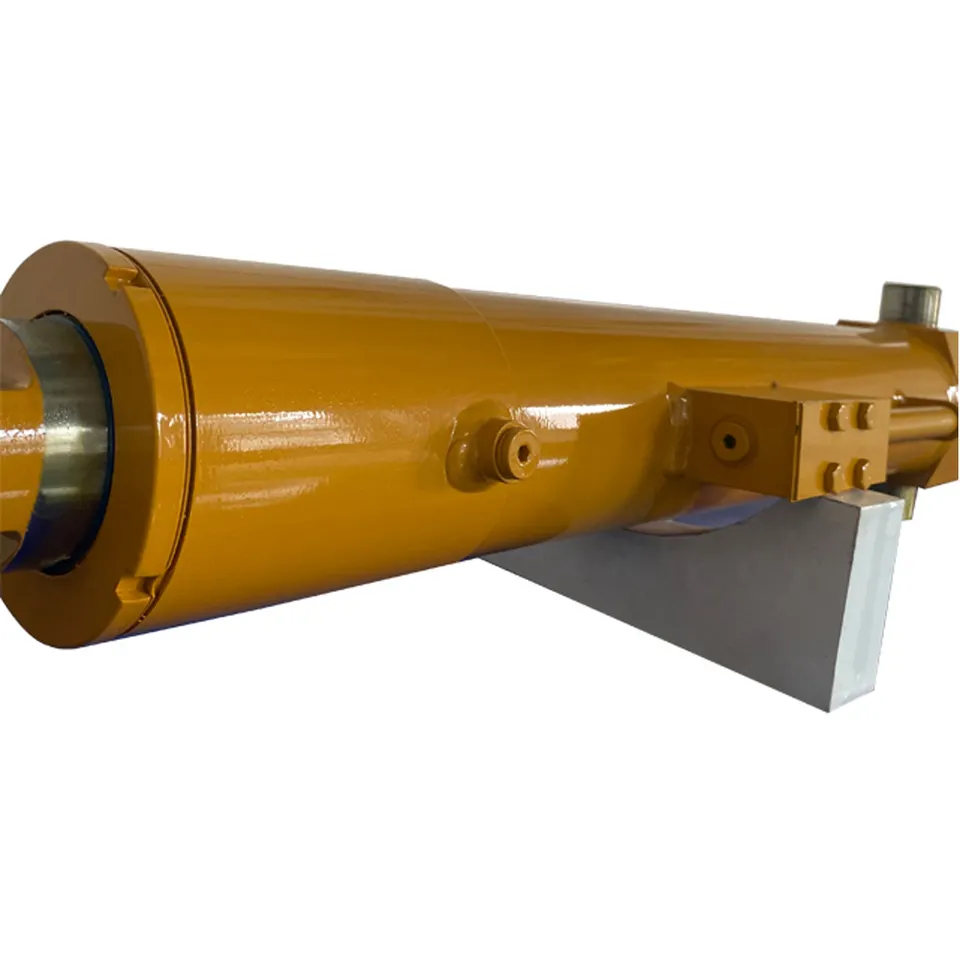
How does a lift cylinder contribute to efficient and reliable lifting?
A lift cylinder plays a crucial role in enabling efficient and reliable lifting operations. Here’s an explanation of how a lift cylinder contributes to efficient and reliable lifting:
1. High Lifting Capacity:
Lift cylinders are specifically designed to provide high lifting capacities. They can generate substantial force to lift heavy loads, making them well-suited for material handling tasks that involve large or bulky items. The high lifting capacity ensures that the cylinder can effectively handle the intended load, contributing to efficient lifting without the need for additional equipment or manual labor.
2. Precise Control:
Lift cylinders offer precise control over the lifting process. By regulating the flow and pressure of hydraulic fluid, operators can achieve accurate positioning and controlled movements. This level of control allows for efficient and precise placement of the load, reducing the risk of damage to the load or surrounding objects. The precise control also enables operators to optimize the lifting process, saving time and effort.
3. Smooth and Stable Operation:
Lift cylinders provide smooth and stable operation during lifting operations. The hydraulic system ensures that the lifting motion is steady and controlled, minimizing jerking or sudden movements. This smooth operation is important for the safe handling of delicate or fragile materials. It also enhances operator confidence and reduces the risk of accidents, contributing to reliable lifting performance.
4. Quick Response Time:
Lift cylinders offer quick response times, allowing for efficient and timely lifting operations. When activated, the hydraulic system quickly directs fluid into the cylinder, initiating the lifting motion. This rapid response time reduces downtime and enables operators to complete lifting tasks more efficiently.
5. Durability and Reliability:
Lift cylinders are built to withstand the demands of heavy-duty lifting operations. They are constructed with durable materials and designed to handle repetitive lifting tasks over extended periods. The robust construction and reliable performance of lift cylinders ensure that they can consistently deliver efficient lifting performance without frequent breakdowns or malfunctions.
6. Safety Features:
Lift cylinders often incorporate safety features to enhance reliability during lifting operations. These features can include load-holding valves, pressure relief valves, and fail-safe mechanisms. Load-holding valves prevent the load from dropping in the event of hydraulic pressure loss, ensuring the load remains securely lifted. Pressure relief valves protect the system from excessive pressure, preventing potential damage. Fail-safe mechanisms provide additional safety by engaging in the event of a system failure or power loss. The presence of these safety features contributes to reliable and safe lifting operations.
7. Integration with Control Systems:
Advanced lift cylinders can be integrated with control systems, such as electronic controls or programmable logic controllers (PLCs). This integration allows for automation and optimized control of the lifting process. By incorporating sensors, feedback mechanisms, and pre-programmed sequences, the lift cylinder can operate efficiently and reliably with minimal operator intervention.
In summary, a lift cylinder contributes to efficient and reliable lifting through its high lifting capacity, precise control, smooth and stable operation, quick response time, durability and reliability, incorporation of safety features, and integration with control systems. These features and capabilities ensure that the lifting process is efficient, accurate, and safe, thereby enhancing overall lifting performance.
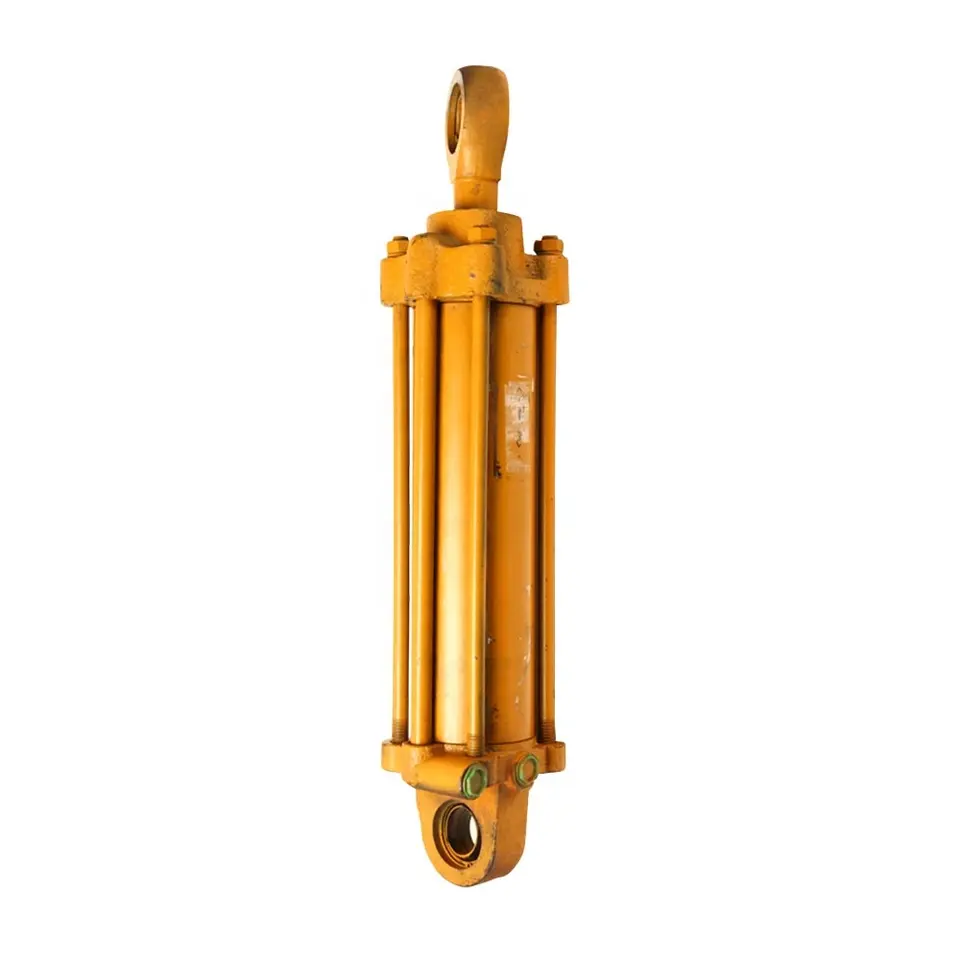
How Does a Lift Cylinder Contribute to Precise Load Handling and Positioning?
A lift cylinder plays a crucial role in achieving precise load handling and positioning in various applications. It is a hydraulic component commonly used in material handling equipment, including forklifts, cranes, and other lifting devices. The lift cylinder utilizes hydraulic power to control the vertical movement of loads, allowing for precise and controlled lifting, lowering, and positioning. Here’s a detailed explanation of how a lift cylinder contributes to precise load handling and positioning:
- Vertical Lifting:
- Load Stability:
- Positioning Control:
- Load Balancing:
- Controlled Speed and Acceleration:
- Force Feedback and Sensing:
The primary function of a lift cylinder is to provide the vertical lifting force required to raise and lower loads. When hydraulic pressure is applied to the cylinder, it extends or retracts the piston rod, depending on the design. This controlled extension or retraction enables the lift cylinder to raise or lower the load with precision. The hydraulic system allows operators to adjust the lifting speed and control the movement of the cylinder, ensuring smooth and accurate load handling.
One of the key factors in precise load handling is maintaining load stability throughout the lifting and positioning process. Lift cylinders are designed to provide a stable lifting platform by minimizing unwanted movements or vibrations. The hydraulic system, combined with the mechanical structure of the cylinder, offers excellent control over the load’s vertical movement, preventing sudden shifts or instability. This stability allows operators to handle delicate or fragile loads without compromising their integrity.
A lift cylinder offers precise positioning control, enabling operators to place the load accurately at the desired location. By regulating the hydraulic pressure, operators can control the speed and direction of the cylinder’s movement. This control allows for fine adjustments during the lifting or lowering process, ensuring that the load is positioned precisely according to the requirements. The hydraulic system offers responsiveness and sensitivity, allowing for real-time adjustments for optimal load placement.
Load balancing is essential for maintaining stability and preventing excessive stress on the lifting equipment. Lift cylinders are often used in combination with other hydraulic components, such as counterbalance valves or load sensing systems, to achieve load balancing. These systems monitor the load and adjust the hydraulic pressure within the lift cylinder to ensure that the load remains balanced during lifting and lowering operations. By maintaining load balance, the lift cylinder contributes to precise load handling and positioning, reducing the risk of accidents or damage.
Precise load handling requires controlled speed and acceleration during lifting and lowering operations. Lift cylinders, integrated with hydraulic control valves, allow for precise adjustment of the lifting speed and acceleration profile. Operators can control the flow rate of hydraulic fluid entering or exiting the cylinder, regulating the speed of the piston’s movement. This control over speed and acceleration enables smooth and gradual load handling, preventing sudden jolts or jerky movements that could affect load positioning accuracy.
Some advanced lift cylinder systems incorporate force feedback mechanisms or load sensing capabilities. These features provide operators with real-time information on the load’s weight or force exerted on the cylinder. By receiving feedback on the load conditions, operators can make precise adjustments to the lifting or lowering operation. This feedback mechanism enhances load handling precision, allowing operators to adapt to changing load characteristics and ensure accurate positioning.
A lift cylinder’s ability to provide vertical lifting force, maintain load stability, offer precise positioning control, assist in load balancing, enable controlled speed and acceleration, and incorporate force feedback or load sensing capabilities all contribute to precise load handling and positioning. These features make lift cylinders valuable components in material handling equipment, ensuring safe and efficient handling of loads in various industries and applications.
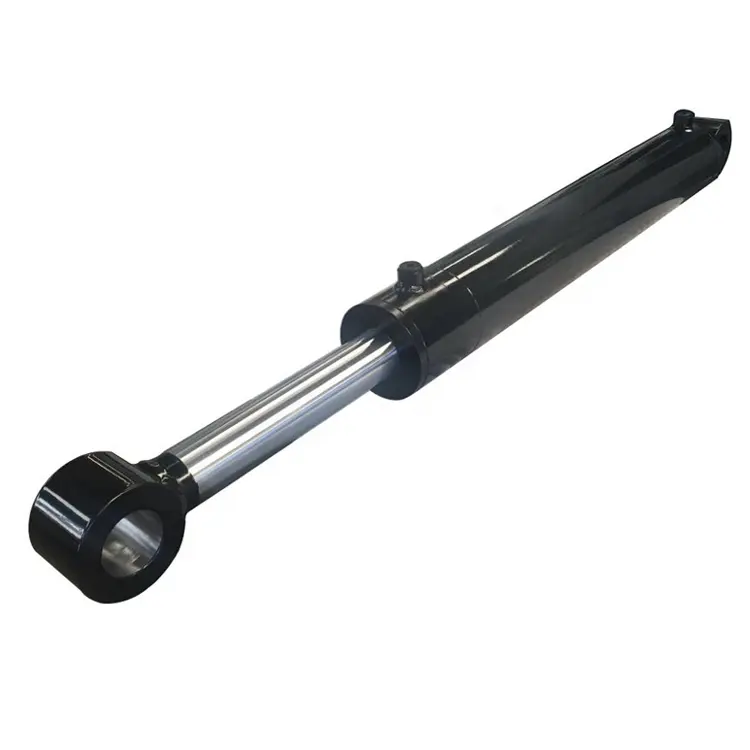
Can lift cylinders be used for both lifting and lowering applications?
Yes, lift cylinders are designed to be versatile and can be used for both lifting and lowering applications. Here’s an explanation of how lift cylinders are utilized for both lifting and lowering:
Lift cylinders are a type of hydraulic cylinder that converts fluid pressure into linear motion. They consist of a cylinder barrel, a piston, a rod, and seals. When hydraulic fluid is pressurized and directed into the cylinder, it exerts force on the piston, causing it to move in a linear direction.
Lifting Applications:
In lifting applications, the lift cylinder extends to raise or lift a load. As hydraulic fluid is pumped into the cylinder, the pressure increases, pushing the piston and rod outward. This extension of the cylinder generates the necessary force to lift the load. The lifting capacity of the cylinder depends on its design, including the diameter of the piston and the pressure rating of the system.
Lowering Applications:
For lowering applications, the lift cylinder retracts to lower the load. By controlling the flow of hydraulic fluid out of the cylinder, the pressure is reduced, allowing the weight of the load to push the piston and rod back into the cylinder. This controlled retraction enables smooth and controlled lowering of the load.
Lift cylinders are commonly used in various industries and applications where controlled vertical motion is required. Examples include lifting platforms, scissor lifts, dump trucks, hydraulic elevators, and material handling equipment. The ability to perform both lifting and lowering actions makes lift cylinders highly versatile and adaptable to different operational needs.
In summary, lift cylinders can be utilized for both lifting and lowering applications. By controlling the flow of hydraulic fluid, these cylinders can extend to lift a load and retract to lower it, offering flexibility and efficiency in a wide range of industries and equipment.


editor by CX 2023-10-20