
Product Description
| Cylinder Type: | LPG-24.5L |
| Material: | HDPE+Glass Fiber |
| Diameter: | 307mm |
| Water Capacity: | 24.5L |
| Propane Weight: | 10KG |
| Neck Thread: | 25E/3/4-14 NGT |
| Filling Medium: | LPG |
| Working Pressure: | 20Bar |
| Hydraulic Test Pressure: | 30Bar |
| Standard: | EN 12245 |
Product Description
-Appearance and retentivity
The Composite LPG cylinders are produced by high anti-corrosion material, which will not loose due to rust. The appearance color will always maintain fresh
-Visible liquid level
Due to the cylinder body is semitransparent, the users can easily supervise the LPG content inside from the visible liquid level
-Light and portable
The weight of composite LPG cylinder is only 40% of the traditional metal cylinder, and the ergonomically designed soft handle makes it portable for both adults and children
-High level safety
The cylinder liner is made of HDPE, which has high corrosion resistance to LPG, atmosphere and aqueous solution containing sulfur. It will not explose due to the corrosion
-Long life and easy inspection
The first and second periodical inspection of the composite LPG cylinder is 5 years, and the third periodical inspection is 10 years, which greatly extends the service life of the product
-Glass fiber
We choose a kind of special wrapping fiber with good invasion, high gelatinization and no balling-up
-Epoxy resin
The epoxy resin we choose has advantages of lower curing temperature, quicker curing speed, longer service life and lower price
-HDPE
High-density Polyethylene, has the advantage of wide range of sources and cheap. It can be used as liner material to revent the gas leakage, also can be used as external wear-resistant material
Company Profile
Welcome to ZheJiang Clean Energy Co. Ltd.
ZheJiang Clean Energy Co., Ltd. is an enterprise that produces and sells various seamless steel cylinders and composite liner gas cylinders such as compressed natural gas cylinders for vehicles, industrial gas cylinders, and fire-fighting cylinders.The company is committed to providing automotive green energy solutions and related environmental protection supporting services.
Our factory
The company was established in 2009 and entered the Xihu (West Lake) Dis. County Economic Development Zone in ZheJiang in 2014. It has built a standardized factory covering an area of 46,000 square meters.The company has focused on R&D and production for more than 10 years, and its global sales volume has reached 2 million.The company has 6 gas cylinder spinning production lines, 2 heat treatment and tempering lines, as well as machining, spraying and winding production lines. It has an annual production capacity of 360,000 gas cylinders, and can produce industrial steel seamless bottles,CNG vehicles, CNG glass fiber hoop wound gas cylinders for CNG vehicles, carbon fiber wound gas cylinders for CNG vehicles, composite material wound gas cylinders for CNG vehicles, steel seamless cylinders for CNG stations, fire-fighting steel cylinders, and LPG Cylinders, respirators and other products.
After years of business development, the “Clean” gas cylinder brand has gained a high reputation and reputation in the market. Its sales network covers Asia, Europe, and the Americas. The products are exported to more than 50 countries and regions including Italy, Brazil, Thailand, India, Uzbekistan and so on.Beginning in 2018, Green Gas Cylinders have successively become qualified suppliers for Foton, Xihu (West Lake) Dis.feng, Chery, ZheJiang Automobile and other auto plants.
Quality Control
Related certificates
QMS:ISO9001,IATF16949
PRODUCT CERTIFICATES& APPROVALS:
SEAMLESS STEEL CYLINDER:ISO9809-1(TPED),UNISO9809-1,GB/T5099.1
CNG TYPE-1:ISO11439,ECE R110;
CNG TYPE-2:GB24160,ISO11439,ECE R110;
CNG TYPE-3:Q/LD003-2019,ISO11439;
CNG TYPE-4:ISO11439,ECE R110;
LPG COMPOSITE CYLINDER:EN12245:2009,ISO11119
BREATHING AIR COMPOSITE CYLINDER:EN12245:2009
R&D and patents
ZheJiang Clean Energy had lunched research and development program of Type-4(Plastic liner with carbon fiber full-wrapped)
ZheJiang Clean Energy has been conducting research and development plans for CNG-4 (carbon fiber fully wrapped plastic liner) gas cylinders since 2013. Through the efforts of our technicians, by the end of 2018, we have passed all the test procedures and become the first CNG-4 forensic manufacturer in China. In 2019, we established a modern standardized 6S workshop for CNG-4. At the same time, at the end of 2571, the company successfully completed the research and development of LPG composite gas cylinders and obtained relevant international certificates. It is about to complete the construction of the LPG composite gas cylinder production line in the first half of 2571 and quickly put it into production.
Exhibition
We arrange to participate in different exhibitions all around the world every year, including FIGAS&VEHIGAS(Peru), ALTFUELS MEXICO(Mexico), GAS FORUM(Russia Federation), GASSUF(Russian Federation), INSTITUCION FERIAL DE CHINAMFG MADRID(Spain), International NGVS Exhibition& Forum(China)
Package&Logistics
We can provide a series of package and logistics solutions according to the customer’s requirements, to ensure our goods reach our customers on time and safely
FAQ
* Q1: Are you manufacturer or trade company?
* A1: We are a Chinese manufacturer, and have been specializing in manufacturing gas cylinders for more than 10 years. Our company brand is “LD”.
* Q2: What is your daily production capacity?
* A2: Our production capacity everyday is 800~1000 units.
* Q3: What is your delivery time?
* A3: Usually our delivery time is 25-45 days against the advance payment. Mainly it depends on when we get the production materials.
* Q4: What certificates do you have?
* A4: We have ISO9001 and IATF16949 for management system, and ISO9809, ISO11439 and ECE R110 for production approval.
* Q5: Do you accept OEM production?
* A5: Of course, we have served several famous motor OEMs, such as TOYOTA(Thailand)-Thailand, IKCO-Iran, GAZ-Russia, DF-China, and FOTON-China, etc. We would like to serve more customers with our superior quality.
* Q6: Can you provide samples to us?
* A6: Yes, we can provide 1-2 samples for your testing freely, but you need to undertake the logistic cost firstly.
* Q7: Can you customize the products?
* A7: Yes, we can provide you with various customized products. For example, your company brand/logo, different accessories and your favorite colors.
| After-sales Service: | Lifetime Warranty |
|---|---|
| Warranty: | Lifetime Warranty |
| Function: | Storage Pressure Vessel, Separation Pressure Vessel, Heat Pressure Vessel, Reaction Pressure Vessel |
| Application: | Gas |
| Material: | Pet |
| Pressure: | Working/Hyd Test Pressure:20bar/30bar |
| Samples: |
US$ 96/Piece
1 Piece(Min.Order) | |
|---|
| Customization: |
Available
|
|
|---|
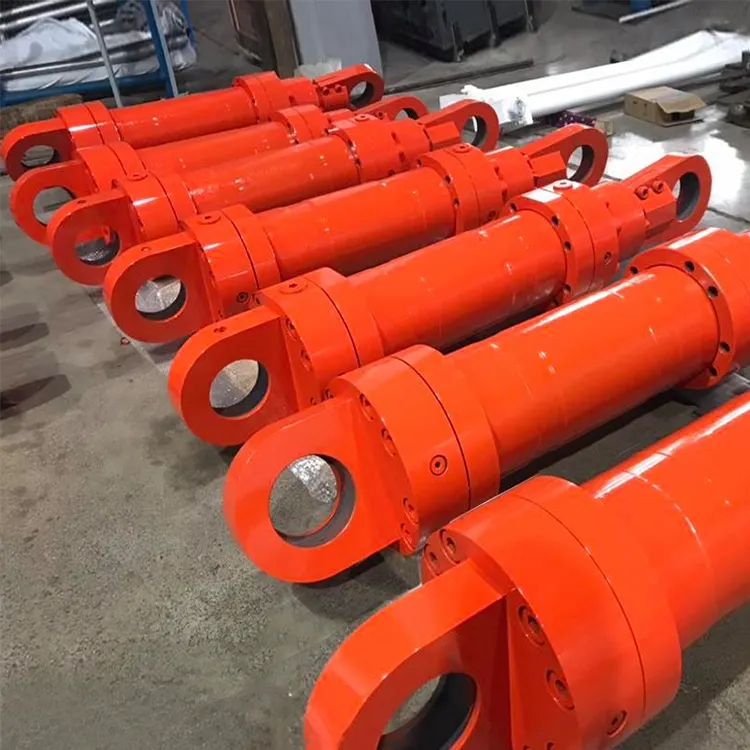
How does a forklift hydraulic cylinder handle variations in cylinder size?
A forklift hydraulic cylinder is designed to handle variations in cylinder size and accommodate different lifting capacities. Here’s an explanation of how it achieves this:
The hydraulic cylinder’s ability to handle variations in cylinder size is primarily dependent on its design and the following factors:
1. Piston Diameter:
The piston diameter of the hydraulic cylinder determines the lifting force it can generate. Forklift hydraulic cylinders are designed with different piston diameters to accommodate various load capacities. Larger piston diameters provide higher lifting capacities, while smaller diameters are suitable for lighter loads. The cylinder is designed and manufactured to match the required lifting capacity based on the forklift’s specifications.
2. Cylinder Construction:
The hydraulic cylinder is constructed to withstand the forces exerted during lifting operations. The materials used in its construction, such as high-strength steel, are selected based on the anticipated load capacities. The cylinder’s structural integrity ensures that it can handle the stress and pressure exerted during lifting, regardless of the cylinder size.
3. Hydraulic System Pressure:
The hydraulic system pressure plays a crucial role in determining the lifting capacity of the cylinder. By increasing or decreasing the pressure of the hydraulic fluid, the lifting force generated by the cylinder can be adjusted. The forklift’s hydraulic system is designed to provide sufficient pressure to match the lifting requirements of different cylinder sizes.
4. Control Valves and Flow:
The forklift’s hydraulic system incorporates control valves that regulate the flow of hydraulic fluid to the cylinder. These valves allow the operator to control the speed and force of the cylinder’s extension and retraction. By adjusting the flow rate, the lifting capacity can be tailored to suit the specific cylinder size and the load being lifted.
5. Sealing Mechanisms:
The hydraulic cylinder incorporates seals to prevent fluid leakage and maintain pressure. These seals, designed to accommodate different cylinder sizes, ensure a proper seal between the piston and cylinder barrel. They are selected based on the specific requirements of the cylinder size to maintain optimal performance and prevent leakage.
In summary, a forklift hydraulic cylinder handles variations in cylinder size by incorporating design elements such as piston diameter, appropriate construction materials, hydraulic system pressure, control valves, and sealing mechanisms. These factors work together to ensure that the cylinder can generate the required lifting force and withstand the forces exerted during lifting operations, regardless of the cylinder size.
How does a forklift hydraulic cylinder contribute to load tilt control?
A forklift hydraulic cylinder plays a significant role in load tilt control, allowing for precise adjustment and manipulation of the load angle. Here’s an explanation of how the hydraulic cylinder contributes to load tilt control:
The forklift hydraulic cylinder contributes to load tilt control in the following ways:
1. Tilt Angle Adjustment:
The hydraulic cylinder is responsible for controlling the tilt angle of the forklift’s mast and forks. By extending or retracting the hydraulic cylinder, the operator can adjust the tilt angle of the load. This adjustment enables the forklift to safely handle loads of different shapes, sizes, and weights, ensuring optimal stability during transport and stacking operations.
2. Smooth and Controlled Movement:
The hydraulic cylinder provides smooth and controlled movement during load tilting. The hydraulic system, consisting of the cylinder and hydraulic fluid, allows for precise control of the cylinder’s extension and retraction speed. This controlled movement ensures that the load tilt is gradual, minimizing the risk of sudden shifts or instability that could lead to accidents or damage to the load.
3. Load Stabilization:
Load tilt control is essential for load stabilization. The hydraulic cylinder allows the operator to adjust the tilt angle to ensure proper weight distribution and balance of the load. By tilting the load in the desired direction, the forklift can securely hold and transport the load without compromising stability. This contributes to safe and efficient material handling operations.
4. Precise Positioning:
The hydraulic cylinder enables precise positioning of the load during tilting. By fine-tuning the extension or retraction of the cylinder, the operator can achieve the desired tilt angle with accuracy. This precise positioning is particularly important when dealing with fragile or sensitive loads that require careful handling to prevent damage.
5. Operator Control:
The forklift operator has control over the hydraulic cylinder, allowing them to adjust the load tilt as needed. The operator can use hydraulic controls within the forklift’s cabin to extend or retract the cylinder, thereby adjusting the load tilt angle. This control provides flexibility and adaptability in various material handling scenarios.
In summary, a forklift hydraulic cylinder contributes to load tilt control by allowing for tilt angle adjustment, providing smooth and controlled movement, ensuring load stabilization, enabling precise positioning, and giving the operator control over load tilt adjustments. These features enhance safety, stability, and efficiency during material handling operations, ensuring that loads are securely transported and properly positioned.
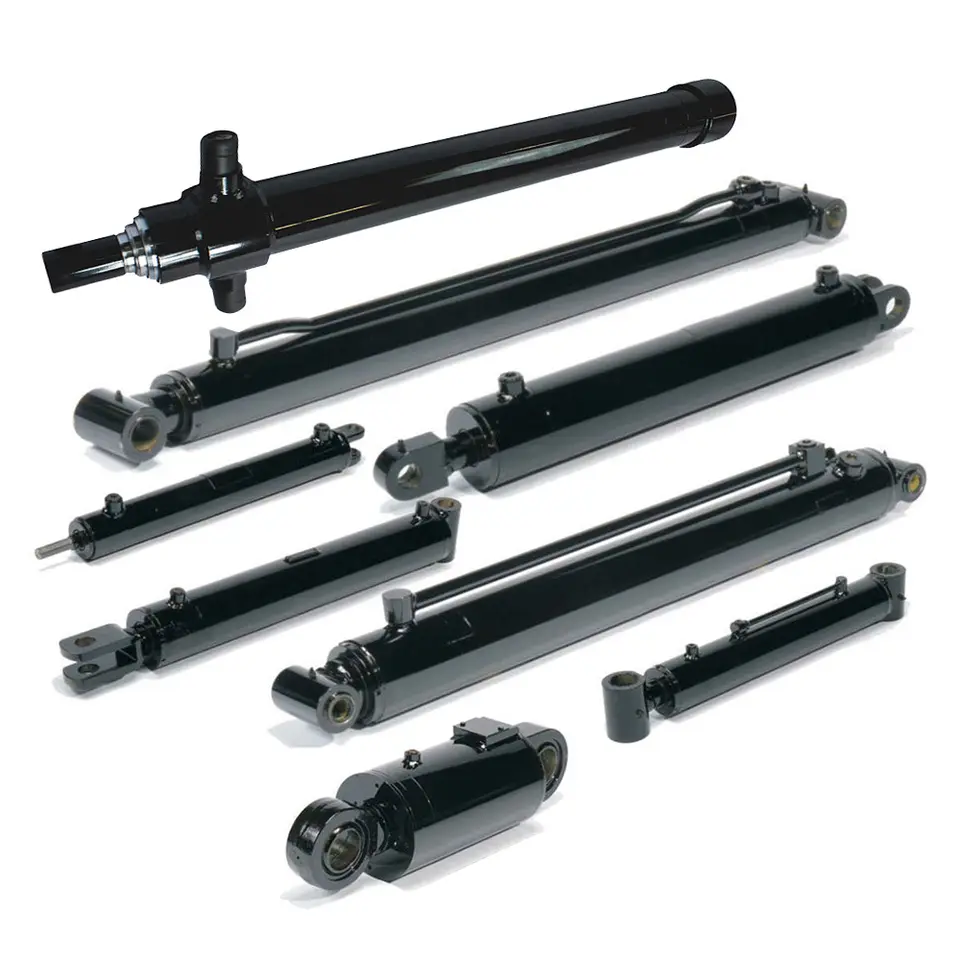
What is the Importance of Regular Maintenance for Hydraulic Cylinders?
Regular maintenance for hydraulic cylinders is of utmost importance to ensure their optimal performance, longevity, and safe operation. Hydraulic cylinders are critical components in various industrial applications, and neglecting their maintenance can lead to decreased efficiency, increased downtime, and potential safety hazards. Here are some key reasons highlighting the importance of regular maintenance for hydraulic cylinders:
- Preventive Maintenance:
- Optimal Performance:
- Extended Lifespan:
- Safety:
- Compliance with Manufacturer Recommendations:
Regular maintenance allows for preventive measures to be taken to identify and address potential issues before they escalate. By following a scheduled maintenance plan, hydraulic cylinders can be inspected for signs of wear, leaks, or damage. Regular servicing, such as lubrication, seal replacements, and cleaning, helps to keep the cylinders in optimal condition, minimizing the risk of unexpected failures and costly repairs.
Proper maintenance ensures that hydraulic cylinders operate at their peak performance. Over time, contaminants, such as dirt, debris, and moisture, can accumulate within the hydraulic system, affecting the cylinder’s performance. Regular maintenance includes the cleaning and flushing of the hydraulic system, which helps to remove contaminants and maintain the proper functioning of the cylinder. This, in turn, ensures efficient and reliable operation, maximizing productivity and minimizing downtime.
Regular maintenance significantly contributes to the longevity of hydraulic cylinders. By addressing wear and tear, replacing worn-out components, and maintaining proper fluid levels and cleanliness, the overall lifespan of the cylinders can be extended. Well-maintained cylinders are less prone to premature failures and breakdowns, reducing the need for frequent replacements and saving on replacement costs in the long run.
Maintaining hydraulic cylinders in good working condition is crucial for ensuring the safety of personnel and equipment. Hydraulic failures, such as leaks, seal failures, or component malfunctions, can lead to hazardous situations, including uncontrolled movements, equipment damage, or injury to operators or nearby personnel. Regular maintenance helps to identify and rectify potential safety risks, ensuring that the hydraulic cylinders operate safely and reliably.
Regular maintenance ensures compliance with the manufacturer’s recommendations and guidelines for hydraulic cylinders. Manufacturers often provide specific maintenance intervals and procedures to keep the cylinders in optimal condition. Following these recommendations helps to uphold warranty requirements, maintain equipment reliability, and ensure that the cylinders perform as intended.
In summary, regular maintenance for hydraulic cylinders is essential for preventive measures, optimal performance, extended lifespan, safety, and compliance. By implementing a proactive maintenance program, including inspections, cleaning, lubrication, and component replacements, the overall reliability and efficiency of hydraulic cylinders can be maximized, reducing the risk of failures, improving productivity, and enhancing workplace safety.


editor by CX 2023-10-23