
Product Description
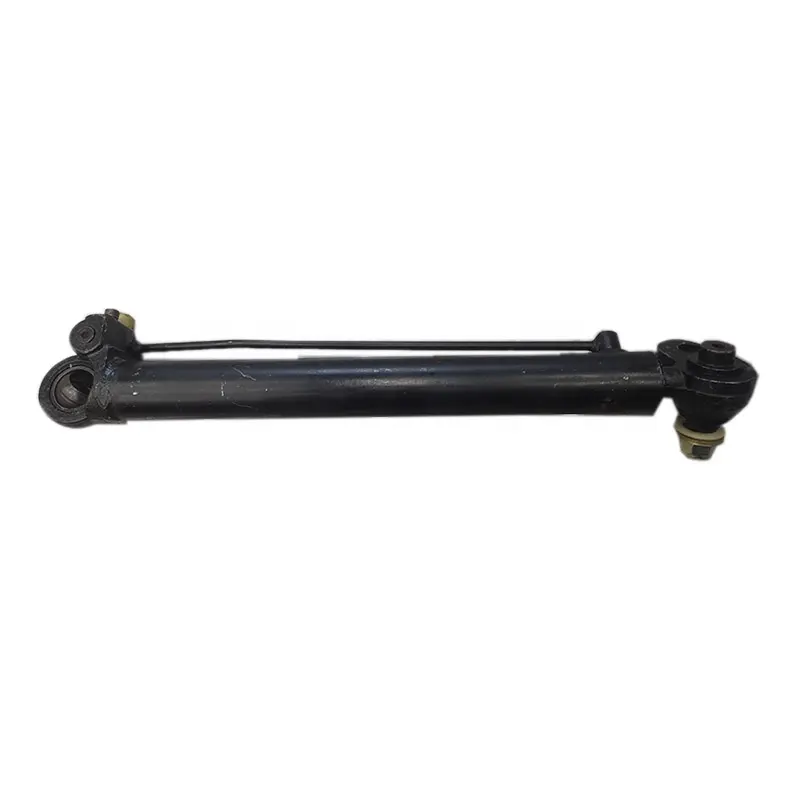
Sinoturk CHINAMFG Trkuck Parts Tilting Cylinder WGCabin Lift Cylinder
Part No.:WG9719820002
Product Name:Cabin lift cylinder
Product Model:HOWO
After Service:3 Months
Product Material:Seamless steel pipe
Product of origin:HangZhou
Product Unit:Pcs
Product Advantages:long service life
Packing
|
Packaging Details: |
wooden case or depend on client’s requirement
|
|
Delivery Detail: |
5-7 days after receiving payment |
Quick Details
|
Size: |
Standard |
Packing: |
Carton Box |
|
Payment term: |
T/T,L/C |
Place: |
HangZhou,ZheJiang |
Our Services
1 . High quality with competitive services.
2. Good after sale service
3. Long serving time.
4 . High reputation at home and abroad.
5. Good performance and reliability
FAQ
1. Q:What’s your best price for this product?
A: We will quote you best price according to your quantity, so when you making an inquiry, please let us know the quantity you want.The more quantity the better price.
2. Q:How about the quality of this product?
A: Our products are certified to ISO9001 international quality standards. We compay have very strict Quality Control Systems.
3. Q:Can we custom our own logo or label on this product?
A: Yes, you can. we support logo print & stamping & label print, print will be free if the logo is not very complex.
4. Q:What about the warranty?
A: We are very confident in our products, and we pack them very well to make sure the goods in well protection
| After-sales Service: | Three Months After Loading |
|---|---|
| Warranty: | Three Months After Loading |
| Type: | Cabin Lift Cylinder |
| Material: | Steel |
| Single Package Size: | 10X10X35 Cm |
| Weight(Kg): | 3.2 Kg |
| Customization: |
Available
|
|
|---|
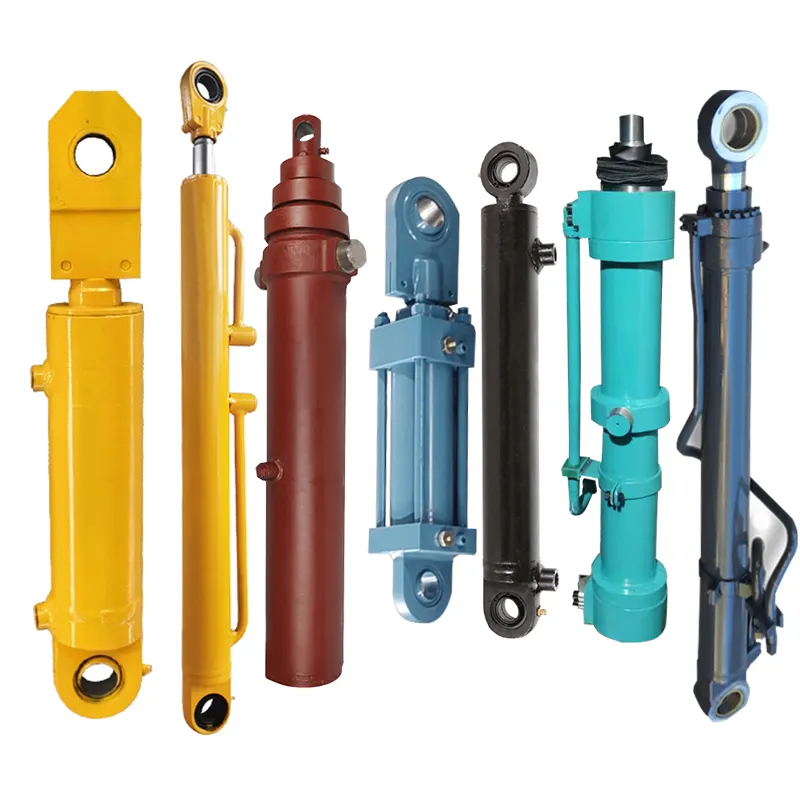
How does a lift cylinder handle variations in cylinder size and capacity?
A lift cylinder is designed to handle variations in cylinder size and capacity to accommodate different lifting requirements. Here’s an explanation of how lift cylinders handle these variations:
1. Size and Dimensions:
Lift cylinders come in various sizes and dimensions to suit different applications. The cylinder size refers to its overall dimensions, such as the diameter and length of the cylinder body. Lift cylinders can be manufactured in a range of sizes, allowing for flexibility in selecting the appropriate cylinder size based on the specific lifting needs. Larger cylinders are capable of generating greater lifting force, while smaller cylinders are more compact and suitable for applications with limited space.
2. Capacity and Load Rating:
The capacity of a lift cylinder refers to the maximum load it can lift safely. Lift cylinders are rated for specific load capacities, and it is important to select a cylinder with a suitable capacity for the intended lifting task. Lift cylinders with higher load ratings are designed to handle heavier loads, while cylinders with lower load ratings are suitable for lighter loads. The capacity of the lift cylinder is determined by factors such as its construction, materials, and structural integrity.
3. Hydraulic Pressure:
The hydraulic pressure applied to the lift cylinder affects its lifting capacity and force generation. By adjusting the hydraulic pressure within the system, operators can control the lifting capability of the cylinder. Higher hydraulic pressure results in increased lifting force, allowing the cylinder to handle larger loads. Conversely, lower hydraulic pressure reduces the lifting capacity of the cylinder, making it suitable for lighter loads. The hydraulic pressure can be regulated using control valves or pressure relief valves within the hydraulic system.
4. Application-specific Design:
Lift cylinders are designed to meet the requirements of specific applications. Manufacturers take into consideration factors such as load characteristics, operating conditions, and safety considerations when designing lift cylinders. This ensures that the cylinder size and capacity are matched to the demands of the application, allowing for efficient and safe lifting operations.
5. Customization Options:
In some cases, lift cylinders can be customized to fit specific size or capacity requirements. Manufacturers may offer customization options such as special sizes, load capacity modifications, or additional features to meet unique application needs. Customization allows for a tailored solution that optimizes the performance and efficiency of the lift cylinder in a particular setting.
In summary, lift cylinders handle variations in cylinder size and capacity by offering a range of sizes and load ratings. The hydraulic pressure can be adjusted to match the lifting requirements, and lift cylinders can be customized for specific applications. With their versatility and adaptability, lift cylinders provide efficient and reliable lifting capabilities across a wide range of industries and lifting tasks.
Can lift cylinders be used in lifting and tilting equipment for material dumping?
Yes, lift cylinders can be used in lifting and tilting equipment for material dumping. Lift cylinders, also known as hydraulic cylinders, are commonly employed in various industrial applications that involve lifting, pushing, pulling, and holding heavy loads.
When it comes to lifting and tilting equipment for material dumping, lift cylinders play a crucial role in providing the necessary force and controlled movement. Here’s how lift cylinders are used in this context:
- Lifting Mechanism: Lift cylinders are integrated into the lifting mechanism of equipment designed for material dumping. These cylinders are responsible for raising the load, such as a container or a bucket, to the desired height for dumping.
- Tilting Mechanism: Lift cylinders are also utilized in the tilting mechanism of the equipment. They enable controlled tilting of the load, allowing the material to be dumped at the desired angle or location.
- Load Capacity: Lift cylinders are selected based on the load capacity requirements of the equipment. The cylinders must be able to generate sufficient force to lift and tilt the load, ensuring safe and efficient material dumping.
- Control and Safety: Lift cylinders are typically controlled through a hydraulic system that regulates the flow of hydraulic fluid. This allows for precise control over the lifting and tilting actions. Safety features such as pressure relief valves and position sensors may also be incorporated to ensure safe operation.
The use of lift cylinders in lifting and tilting equipment for material dumping offers several advantages. It provides reliable and controlled lifting and tilting capabilities, allowing for efficient material handling. The hydraulic nature of these cylinders enables smooth and precise movements, enhancing the overall performance and productivity of the equipment.
In conclusion, lift cylinders are indeed suitable for use in lifting and tilting equipment for material dumping. Their ability to generate the necessary force and provide controlled movement makes them essential components in this type of machinery.
Can lift cylinders be repaired or replaced when damaged?
Yes, lift cylinders can be repaired or replaced when they are damaged. Here’s an explanation of the options for repairing or replacing lift cylinders:
1. Repair:
If a lift cylinder sustains damage, it is often possible to repair it. The extent of the damage and the specific components affected will determine the repair process. Common repairs may involve replacing seals, gaskets, or damaged hydraulic lines. In some cases, the cylinder may need to be disassembled, cleaned, and reassembled with new parts.
Repairing a lift cylinder typically requires expertise in hydraulic systems and cylinder repair. It is recommended to consult qualified professionals or authorized service centers to ensure proper diagnosis and repair procedures.
2. Replacement of Components:
If specific components within the lift cylinder are damaged or worn out, it may be possible to replace those components individually. This can include replacing the piston, rod, seals, or other internal parts. By replacing only the affected components, the cylinder can be restored to proper working condition without replacing the entire unit.
Replacement of components should be done with compatible parts that meet the manufacturer’s specifications. It may be necessary to consult the manufacturer’s documentation or seek guidance from authorized distributors or service centers to ensure proper component selection and installation.
3. Replacement of the Entire Cylinder:
In cases where the lift cylinder is severely damaged or if repairing or replacing individual components is not practical or cost-effective, it may be necessary to replace the entire cylinder. This involves removing the damaged cylinder and installing a new one that matches the specifications and requirements of the lifting equipment.
When replacing the entire cylinder, it is important to ensure compatibility with the equipment, including load capacity, mounting options, stroke length, and other specifications. The new cylinder should be selected based on the equipment’s requirements and the recommendations of the manufacturer or qualified experts.
4. Professional Assistance:
Repairing or replacing lift cylinders can be complex, especially when dealing with hydraulic systems and precise components. It is recommended to seek professional assistance from qualified technicians or authorized service centers. They have the knowledge, experience, and tools to properly diagnose, repair, or replace lift cylinders, ensuring the safety and optimal performance of the lifting equipment.
In summary, lift cylinders can be repaired or replaced when damaged. Repair options may involve replacing seals or damaged components, while component replacement allows for targeted repairs. In severe cases or when individual repairs are not feasible, the entire cylinder may need to be replaced. Professional assistance is recommended to ensure proper diagnosis, repair procedures, or component selection for the repair or replacement of lift cylinders.


editor by CX 2023-11-01