
Product Description
1 YEAR WARRANTY AND EXCELLENT SERVICE
24 HOURS OF SMOOTHLY COMMUNICATION
Products Description
Factory customized hydraulic cylinder, cylinder head, piston, and hydraulic cylinder rod.
cylinder features :
Made of high-quality materials, advanced production technology, with high durability. Using Japan NOK reflected the
seal and the company’s unique sealing system design, can get the best sealing oil film and sealing performance. With
advanced production equipment and technology, makes the piston rod, cylinder, cylinder head, piston, and other
main components have good surface roughness and super performance, etc
|
Custom Hydraulic Cylinder / Pneumatic Cylinder |
|
|
Application |
Engineering machinery, mine, shipping, metallurgy, water conservancy, offshore, agriculture, etc. |
|
Stroke |
20mm to 16000mm,Customizable |
|
Bore |
40mm to 1500mm,Customizable |
|
Shaft |
12mm to 1000mm,Customizable |
|
Work pressure |
16Mpa to 70Mpa (2250 CHINAMFG – 10150 PSI) |
|
Seal |
Parker, Merkel, NOK, Hallite,etc. |
|
Paint |
Red, Grey, Yellow, Black, etc. |
|
Material |
St52, CK45, 4140, Duplex2205, Stainless Steel 304/316, etc. |
|
Certificate |
ISO9001,CE, ABS, Lloyds, SGS, etc. |
|
Package |
Bubble-wrap packing, then in wooden case. |
|
Color |
choose the color according to customer requirement |
|
Model |
Double Acting or Single Acting |
|
Cylinder body material |
ST52, CK45, 4140, Duplex 2205, Stainless Steel 304/316, etc. |
|
Structure |
Piston Type, Plunger Type, Telescopic Type |
|
Tips: |
|
Details Images
Application
Company Profile
Product packaging
Certifications
FAQ
Q: Are you a trading company or a manufacturer?
A: We are a factory with more than 20 years’ experience.
Q: How long for delivery?
A: Generally it is 15-30days as we are a customized service we confirm with the customer when place an order.
Q: What is the MOQ?
A: It depends on what you are buying. Normally, our minimum order is 1 20′ full container and LCL container (less than a
container load) can be acceptable.
Q: Can you customize my products?
A: Yes, we can customized products with your design drawings like DWG, DXF, DXW, IGES, STEP, PDF etc.
Q: What is your terms of payment?
A: 30% T/T in advance, balance before shipment, or as per discussion.
Q: What about your quality control?
A: * . Checking the raw material after they reach our factory—–Incoming quality control(IQC)
* . Checking the details before the production line operated
* . Have full inspection and routing inspection during mass production—-In-process quality control(IPQC)
* . Checking the goods after they are finished—-Final quality control(FQC)
* . Checking the goods after they are finished—-Outgoing quality control(QC)
* . 100% inspection and delivery before shipment
| Certification: | GS, RoHS, CE, ISO9001 |
|---|---|
| Pressure: | Medium Pressure |
| Work Temperature: | Normal Temperature |
| Acting Way: | Single Acting |
| Working Method: | Straight Trip |
| Adjusted Form: | Regulated Type |
| Customization: |
Available
|
|
|---|
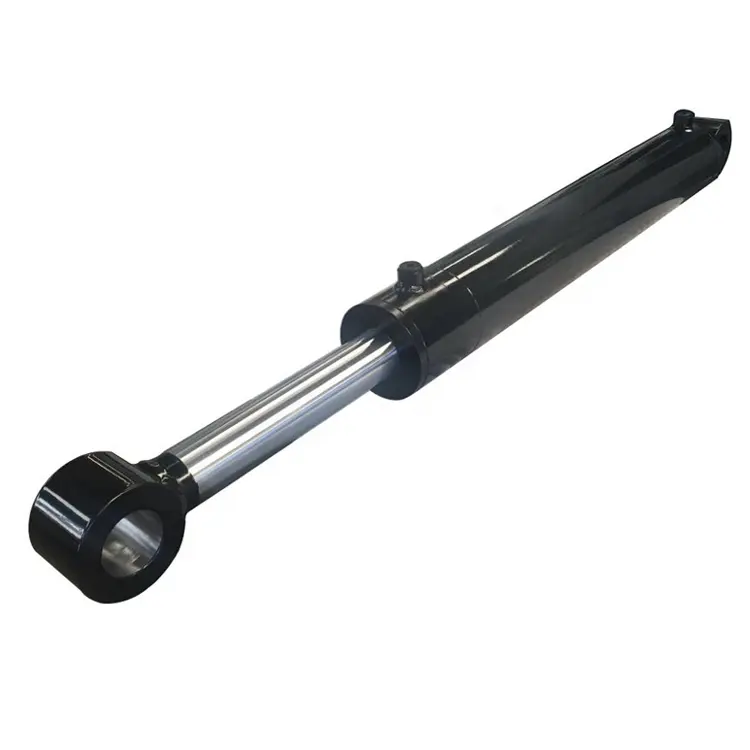
How does a lift cylinder contribute to energy-efficient lifting?
A lift cylinder plays a significant role in promoting energy-efficient lifting operations. Here’s an explanation of how lift cylinders contribute to energy efficiency:
1. Hydraulic System Efficiency:
Lift cylinders are commonly used in hydraulic systems, which are known for their high efficiency. Hydraulic systems utilize pressurized fluid to transmit power, allowing for smooth and controlled lifting operations. The hydraulic fluid is circulated within the system, and the lift cylinder converts the pressure of the fluid into mechanical force to lift the load. Compared to other mechanical lifting mechanisms, hydraulic systems, including lift cylinders, experience minimal energy loss due to their efficient power transmission.
2. Power-to-Weight Ratio:
Lift cylinders are designed to have a high power-to-weight ratio. This means that they can generate a substantial lifting force relative to their weight. By utilizing lightweight yet durable materials and optimizing the design, lift cylinders can effectively lift heavy loads while minimizing the amount of energy required. The efficient power-to-weight ratio contributes to energy efficiency by reducing the overall power consumption during lifting operations.
3. Load-Specific Design:
Lift cylinders are often engineered to match the specific load requirements of lifting applications. By customizing the design parameters, such as bore size, stroke length, and operating pressure, lift cylinders can be optimized for the intended load capacities and lifting tasks. This load-specific design ensures that the lift cylinder operates at its optimal efficiency, minimizing energy waste and maximizing the lifting performance.
4. Regenerative Systems:
In certain lifting applications, lift cylinders can be integrated into regenerative systems. Regenerative systems capture and store energy that would otherwise be dissipated as heat during the lowering phase of the lifting operation. This stored energy can then be reused to assist in the subsequent lifting process, reducing the overall energy consumption. Regenerative systems enhance energy efficiency by utilizing the otherwise wasted energy to partially power the lifting operation.
5. Control Systems:
Advanced control systems can be implemented in conjunction with lift cylinders to optimize energy efficiency. These control systems, such as proportional valves or variable-speed drives, allow for precise control of the lifting process. By adjusting the flow rate or speed of the hydraulic fluid, operators can match the power output of the lift cylinder to the specific load requirements, minimizing energy waste and improving overall efficiency.
6. Maintenance and Optimization:
Regular maintenance and optimization of lift cylinders are essential for maintaining energy efficiency. Proper lubrication, seal replacements, and overall system inspections help ensure that the lift cylinder operates at its peak performance. By identifying and addressing any issues or inefficiencies, maintenance practices contribute to energy-efficient lifting operations.
In summary, lift cylinders contribute to energy-efficient lifting through hydraulic system efficiency, a high power-to-weight ratio, load-specific design, regenerative systems, control systems, and proper maintenance. By utilizing these features and practices, lift cylinders help minimize energy consumption and enhance overall lifting efficiency.
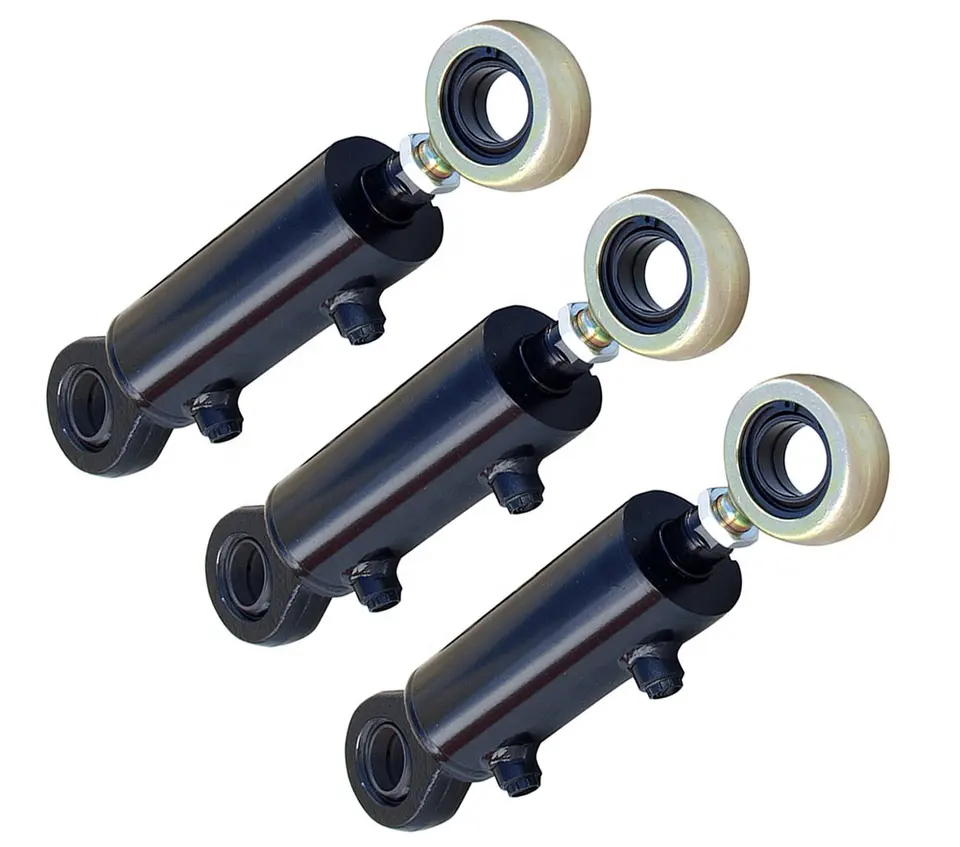
Can lift cylinders be used in construction equipment like cranes?
Yes, lift cylinders are commonly used in construction equipment, including cranes. Here’s an explanation of their utilization in this context:
Lift cylinders play a crucial role in the lifting and positioning operations of construction equipment, providing the necessary force and control to handle heavy loads and perform various construction tasks.
1. Mobile Cranes:
Lift cylinders are integral components of mobile cranes, such as hydraulic truck cranes and rough terrain cranes. These cylinders are typically employed in the boom and jib systems of the crane. By extending or retracting the lift cylinders, the crane can raise or lower the boom or jib, allowing for vertical lifting and horizontal reach. Lift cylinders enable precise control over the crane’s lifting capacity, height, and reach, making them essential for safe and efficient construction operations.
2. Tower Cranes:
In tower cranes, lift cylinders are used to control the movement of the crane’s jib and counter-jib. These cylinders facilitate the horizontal slewing of the jib, allowing the crane to cover a wide range of working areas. By adjusting the lift cylinders, the crane operator can position the load at specific locations on the construction site, contributing to accurate and controlled material handling.
3. Crawler Cranes:
Crawler cranes, which are equipped with tracks for mobility, also utilize lift cylinders in their lifting systems. These cylinders enable the crane to raise and lower the boom, adjust the angle of the boom, and control the movement of the load. Lift cylinders in crawler cranes provide the necessary stability and lifting capacity to handle heavy loads in various construction scenarios.
4. Excavators and Backhoes:
Lift cylinders are commonly found in excavators and backhoes used in construction projects. These cylinders are employed to control the movement of the boom, stick, and bucket attachments. By extending or retracting the lift cylinders, operators can perform digging, lifting, and material handling tasks, enhancing the versatility and productivity of the equipment.
5. Other Construction Equipment:
Lift cylinders are also utilized in a wide range of other construction equipment, including concrete pumps, aerial work platforms, telescopic handlers, and articulated dump trucks. These cylinders provide the lifting and positioning capabilities required to perform specific construction tasks, such as concrete pouring, elevated work, material placement, and load handling.
In summary, lift cylinders are extensively used in construction equipment like cranes to enable safe and efficient lifting and positioning operations. Whether in mobile cranes, tower cranes, crawler cranes, excavators, or other construction machinery, lift cylinders contribute to the control, stability, and versatility of the equipment, enhancing productivity and ensuring the successful execution of construction projects.
What are the safety considerations when using lift cylinders?
When using lift cylinders, it is crucial to prioritize safety to prevent accidents and ensure the well-being of operators and bystanders. Here are some important safety considerations when using lift cylinders:
1. Proper Training:
Operators should receive proper training on the safe operation of lift cylinders. They should be familiar with the equipment’s capabilities, limitations, and recommended operating procedures. Training should include understanding hydraulic systems, load capacities, stability factors, and proper positioning techniques.
2. Inspection and Maintenance:
Routine inspection and maintenance of lift cylinders are essential for identifying any potential safety hazards. Regularly check for leaks, damaged components, loose connections, or signs of hydraulic fluid contamination. Ensure that all safety features, such as pressure relief valves and load holding devices, are functioning correctly.
3. Load Capacity and Stability:
It is crucial to know and adhere to the lift cylinder’s load capacity limits specified by the manufacturer. Overloading the cylinder can lead to equipment failure, instability, or uncontrolled movements. Properly distribute the load to maintain stability and prevent tipping or imbalance.
4. Secure Mounting:
Ensure that the lift cylinder is securely mounted to the equipment or structure. Follow the manufacturer’s guidelines for proper attachment methods and torque specifications. Loose or improper mounting can compromise the stability and safety of the lifting operation.
5. Control of Movement:
Exercise caution and maintain control over the movement of the lift cylinder. Avoid sudden or jerky motions that can destabilize the load or cause the equipment to tip. Use smooth and controlled movements, and be aware of any potential obstacles or hazards in the surrounding area.
6. Personal Protective Equipment (PPE):
Operators and personnel involved in the lifting operation should wear appropriate personal protective equipment, such as safety glasses, gloves, and steel-toed shoes. PPE helps protect against potential hazards, including hydraulic fluid leaks, falling objects, or accidental contact with moving parts.
7. Emergency Procedures:
Establish clear emergency procedures in case of equipment malfunction, hydraulic system failure, or any other unforeseen circumstances. Operators should be trained on how to respond to emergencies, including proper shutdown procedures, communication protocols, and evacuation plans.
8. Environmental Factors:
Consider the environmental conditions in which the lift cylinders are being used. Factors such as extreme temperatures, high humidity, or corrosive atmospheres can affect the cylinder’s performance and safety. Take appropriate measures, such as using protective covers or selecting cylinders with suitable material coatings, to mitigate these risks.
In summary, ensuring safety when using lift cylinders involves proper training, regular inspection and maintenance, adhering to load capacity limits, secure mounting, controlled movement, using personal protective equipment, establishing emergency procedures, and considering environmental factors. By following these safety considerations, the risk of accidents or injuries associated with lift cylinder operations can be minimized.


editor by CX 2023-12-15